

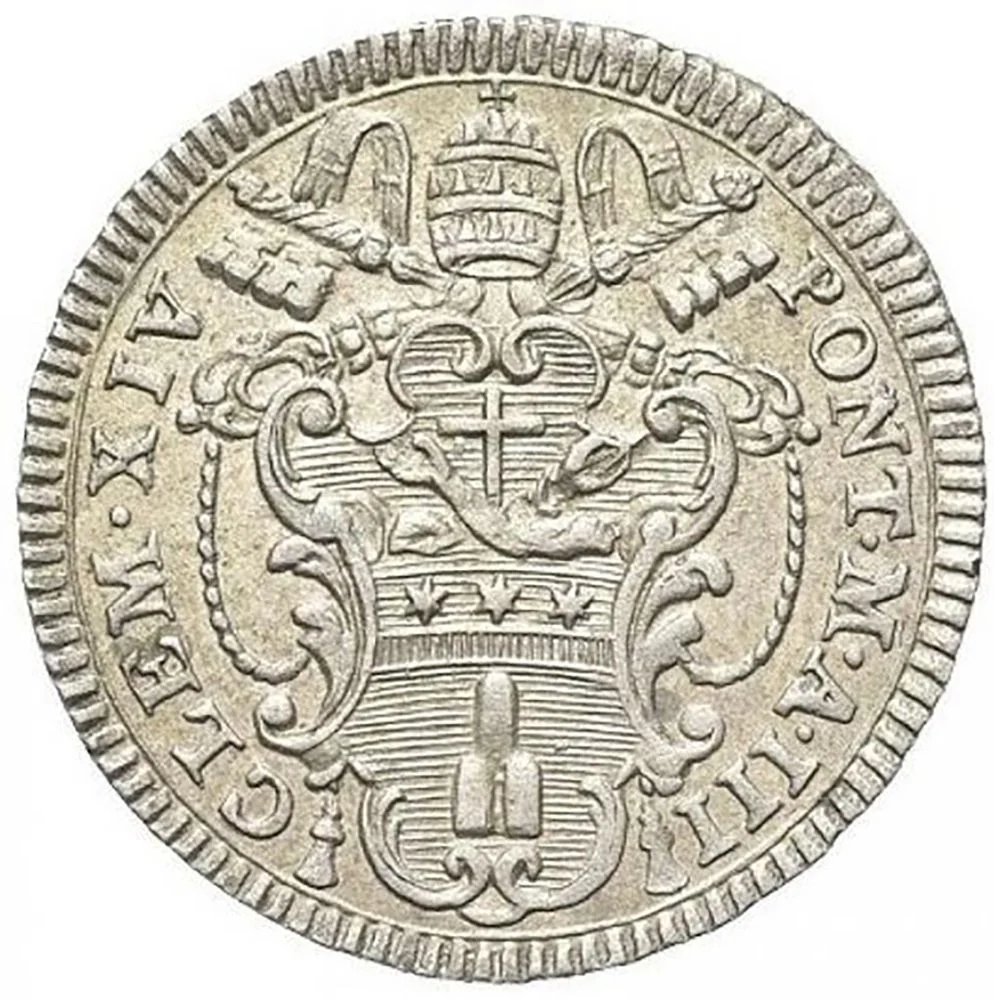
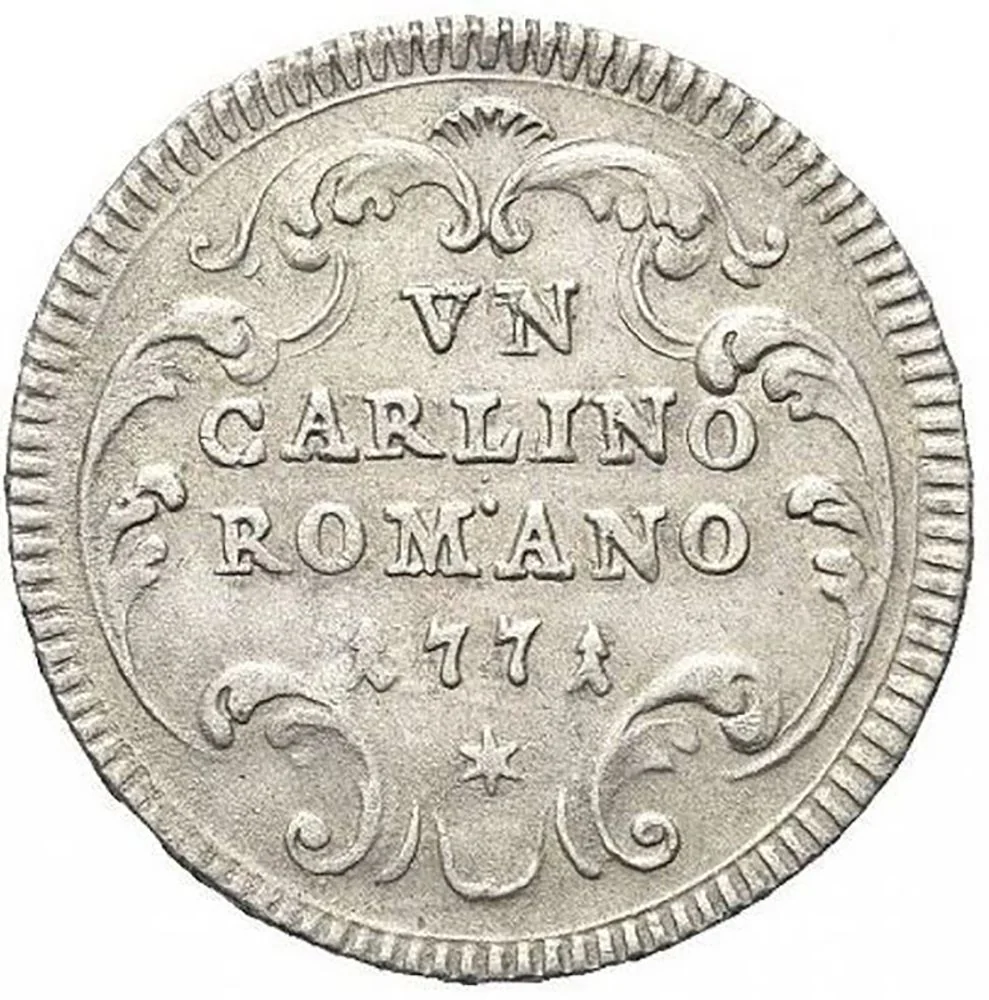
1 carlin – Papal States
Add to wishlist
Vatican City
Context
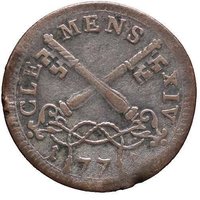
Year: 1771
Country: Vatican City
Issuer: Papal States
Ruler: Clement XIV
Currency:
(1534—1835)
Demonetized: Yes
Material
References
KM: #
Numista: #343708
Value
Bullion value: $3.54
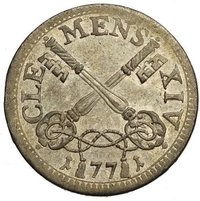
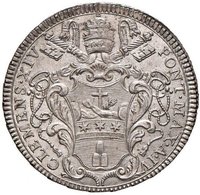
Obverse
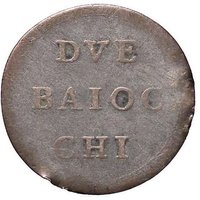
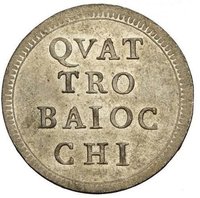
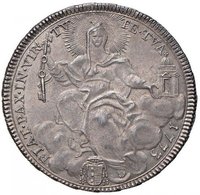
Reverse
Edge
Embossed leaves
Categories
| Symbol> Crown |
| Symbols> Coat of Arms |
Mints
| Name | Mark |
|---|---|
| Rome | — |
Mintings
| Year | Mint Mark | Mintage | Quality | Collection |
|---|---|---|---|---|
| 1771 | — | — |
Historical background
In 1771, the Papal States operated under a complex and strained monetary system, typical of the fragmented Italian peninsula before unification. The state lacked a unified, modern currency; instead, circulation was a chaotic mix of domestic and foreign coins. The primary Roman units were the scudo (divided into 100 baiochi or 10 paoli), but in practice, Spanish, French, Austrian, and various Italian state coins all circulated freely, their values fluctuating based on metallic content and market confidence. This multiplicity created constant challenges for trade and taxation, requiring official "agio" tables to list exchange rates, which were frequently adjusted.
The system was fundamentally bimetallic, relying on both silver and gold, but was plagued by chronic instability. A persistent shortage of precious metals, exacerbated by a negative trade balance, led to repeated debasements—reducing the silver content in coins to stretch state resources. This practice, while providing short-term fiscal relief for the treasury, eroded public trust and spurred inflation, as the intrinsic value of coins fell below their face value. Furthermore, counterfeiting was rampant, both by opportunistic criminals and by neighboring states, further degrading the currency's reliability.
Pope Clement XIV (elected 1769) inherited these monetary troubles, which were symptomatic of the broader fiscal and administrative weaknesses of the Papal States. While his pontificate focused on significant diplomatic actions, such as the suppression of the Jesuits, no comprehensive monetary reform was achieved in 1771. The situation remained one of managed disorder, with the economy hindered by the inconsistent and depreciating currency. This instability would persist until the Napoleonic invasions swept away the old financial structures entirely, highlighting the Papal States' struggle to modernize its economic foundations in the late 18th century.
The system was fundamentally bimetallic, relying on both silver and gold, but was plagued by chronic instability. A persistent shortage of precious metals, exacerbated by a negative trade balance, led to repeated debasements—reducing the silver content in coins to stretch state resources. This practice, while providing short-term fiscal relief for the treasury, eroded public trust and spurred inflation, as the intrinsic value of coins fell below their face value. Furthermore, counterfeiting was rampant, both by opportunistic criminals and by neighboring states, further degrading the currency's reliability.
Pope Clement XIV (elected 1769) inherited these monetary troubles, which were symptomatic of the broader fiscal and administrative weaknesses of the Papal States. While his pontificate focused on significant diplomatic actions, such as the suppression of the Jesuits, no comprehensive monetary reform was achieved in 1771. The situation remained one of managed disorder, with the economy hindered by the inconsistent and depreciating currency. This instability would persist until the Napoleonic invasions swept away the old financial structures entirely, highlighting the Papal States' struggle to modernize its economic foundations in the late 18th century.
✨ Legendary