

5 xerafins – Portuguese India
Add to wishlist
India
Context
Years: 1670–1684
Country: India
Issuer: Portuguese India
Ruler: Afonso VI
Currency:
(1580—1706)
Demonetized: Yes
Material
Diameter: 21 mm
Weight: 3.5 g
Gold Weight:: 3.50 g
Shape: Irregular round
Composition: Gold
Magnetic: No
Technique: Hammered
References
KM: #
Numista: #341337
Value
Bullion value: $544.90
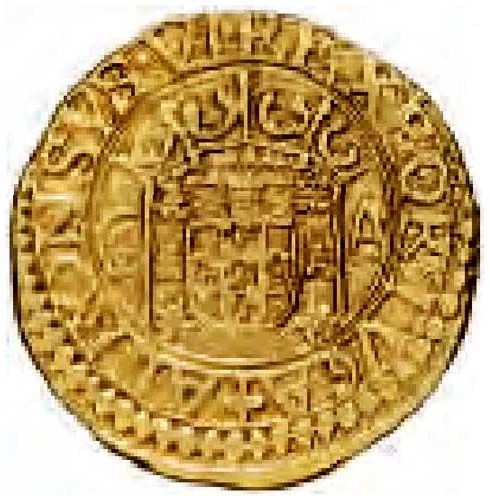
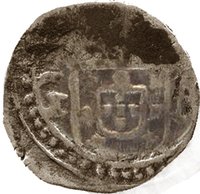
Obverse
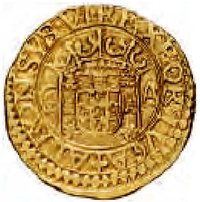
Inscription:
+ALFONSUS VI REX | PORTUGA
G-A
G-A
Script: Latin
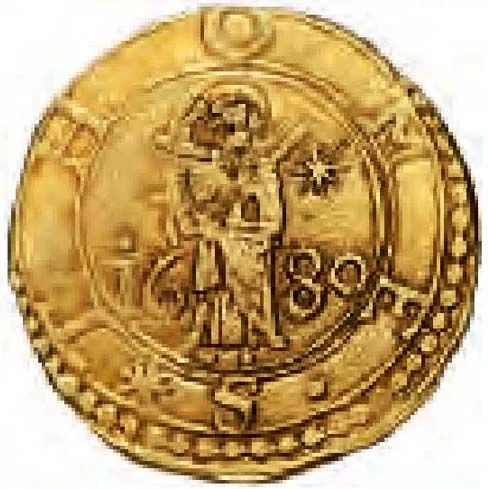
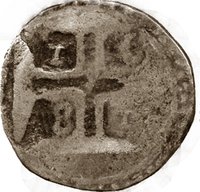
Reverse
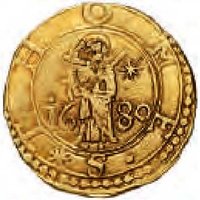
Inscription:
* . S . * . T .... H .... O .... M ... E .. *
1 6
8 0
1 6
8 0
Script: Latin
Edge
Mints
| Name | Mark |
|---|---|
| Goa | G-A |
Mintings
Historical background
In 1670, the currency situation in Portuguese India, centered on Goa, was a complex tapestry of official and unofficial systems, reflecting the colony's integration into both regional and global trade networks. The official currency was the Portuguese xerafim (plural: xerafins), a silver coin minted at the Goa mint. However, its value and circulation were persistently undermined by the widespread use of a multitude of foreign coins that flowed through the key trading hub. The most dominant of these was the gold mohur from the Mughal Empire, alongside silver rupias (rupees) and a host of other coins from neighboring Indian states, the Ottoman Empire, and various European powers, particularly Spanish pieces of eight.
This monetary pluralism created chronic instability. The Portuguese administration struggled to fix exchange rates between the xerafim and these foreign currencies, leading to frequent fluctuations, confusion in commerce, and opportunities for fraud. Furthermore, a severe shortage of official coinage was a constant problem, exacerbated by the drain of silver to pay for intra-Asian trade, where Portuguese merchants needed accepted regional currencies. This scarcity often forced the authorities to periodically call in existing coins for reminting, a disruptive process that eroded public trust.
Consequently, the day-to-day economy operated on a de facto system where major transactions, especially in long-distance trade, were conducted in gold mohurs or heavy silver rupees. The Portuguese xerafim and its smaller denominations like tangas and reis were used for local, official payments, taxes, and smaller transactions, but their authority was constantly challenged by the more trusted and abundant foreign coins. Thus, the currency landscape of 1670 was one of competitive circulation, where the state's monetary sovereignty was limited by the practical demands of a vibrant and cosmopolitan Indian Ocean economy.
This monetary pluralism created chronic instability. The Portuguese administration struggled to fix exchange rates between the xerafim and these foreign currencies, leading to frequent fluctuations, confusion in commerce, and opportunities for fraud. Furthermore, a severe shortage of official coinage was a constant problem, exacerbated by the drain of silver to pay for intra-Asian trade, where Portuguese merchants needed accepted regional currencies. This scarcity often forced the authorities to periodically call in existing coins for reminting, a disruptive process that eroded public trust.
Consequently, the day-to-day economy operated on a de facto system where major transactions, especially in long-distance trade, were conducted in gold mohurs or heavy silver rupees. The Portuguese xerafim and its smaller denominations like tangas and reis were used for local, official payments, taxes, and smaller transactions, but their authority was constantly challenged by the more trusted and abundant foreign coins. Thus, the currency landscape of 1670 was one of competitive circulation, where the state's monetary sovereignty was limited by the practical demands of a vibrant and cosmopolitan Indian Ocean economy.
✨ Legendary