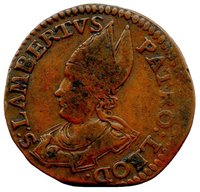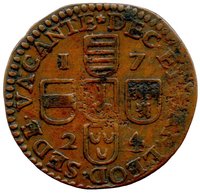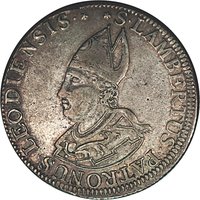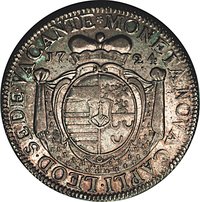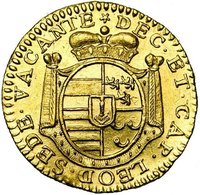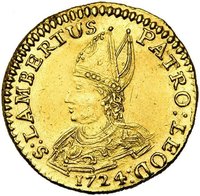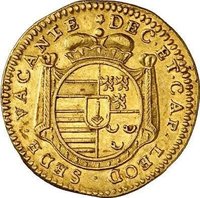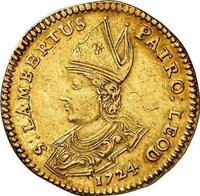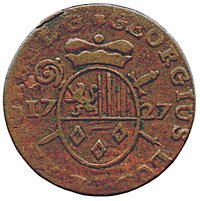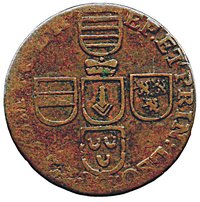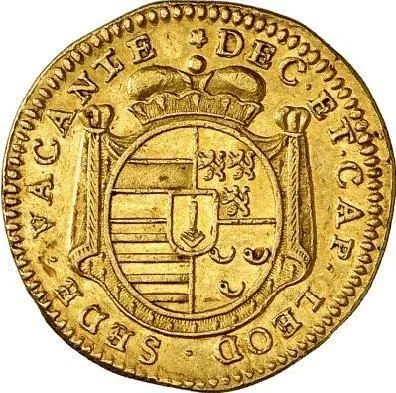
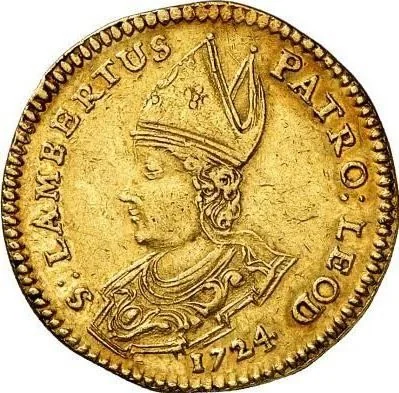
In 1724, the Prince-Bishopric of Liège was grappling with a severe and chronic monetary crisis, a common affliction in the fragmented Holy Roman Empire. The circulation was a chaotic jumble of disparate coins: official issues from the Liège mint, heavy silver
patagons from the Spanish Netherlands, French
écus, and a plethora of German talers and smaller regional coins. This proliferation, combined with widespread clipping and counterfeiting, created significant uncertainty in trade and daily transactions, as the intrinsic metal value of a coin often differed wildly from its declared face value.
The root of the problem lay in the "crying" or "criée" system, where the sovereign prince-bishop periodically issued ordinances to revalue specific coins, attempting to align their legal value with their fluctuating silver content. This practice, however, was destabilizing. It encouraged speculation, as merchants and money-changers hoarded coins expected to be revalued upwards. Each new ordinance aimed to rectify the distortions of the last, but instead created a vicious cycle of monetary instability that eroded public trust and complicated commerce with neighbouring states like the Austrian Netherlands.
While a major monetary ordinance was issued in 1725 under Prince-Bishop George-Louis de Berghes, the situation in 1724 was one of mounting pressure leading to that reform. The year was likely characterized by deteriorating coin quality, market confusion, and intense debate within the prince-bishop's council. The authorities were preparing to intervene, seeking to impose order on the monetary chaos by calling in old coins, setting new exchange rates, and attempting to standardize circulation—a difficult task in a politically independent but economically interconnected region.