

4 Thalers – Brunswick-Lüneburg-Calenberg
Germany
Context
Year: 1660
Country: Germany 
Issuer: Brunswick-Lüneburg-Calenberg
Ruler: George William
Currency:
Demonetized: Yes
Material
References
KM: #Click to copy to clipboard70
Numista: #339593
Value
Bullion value: $326.85
Obverse
Description:
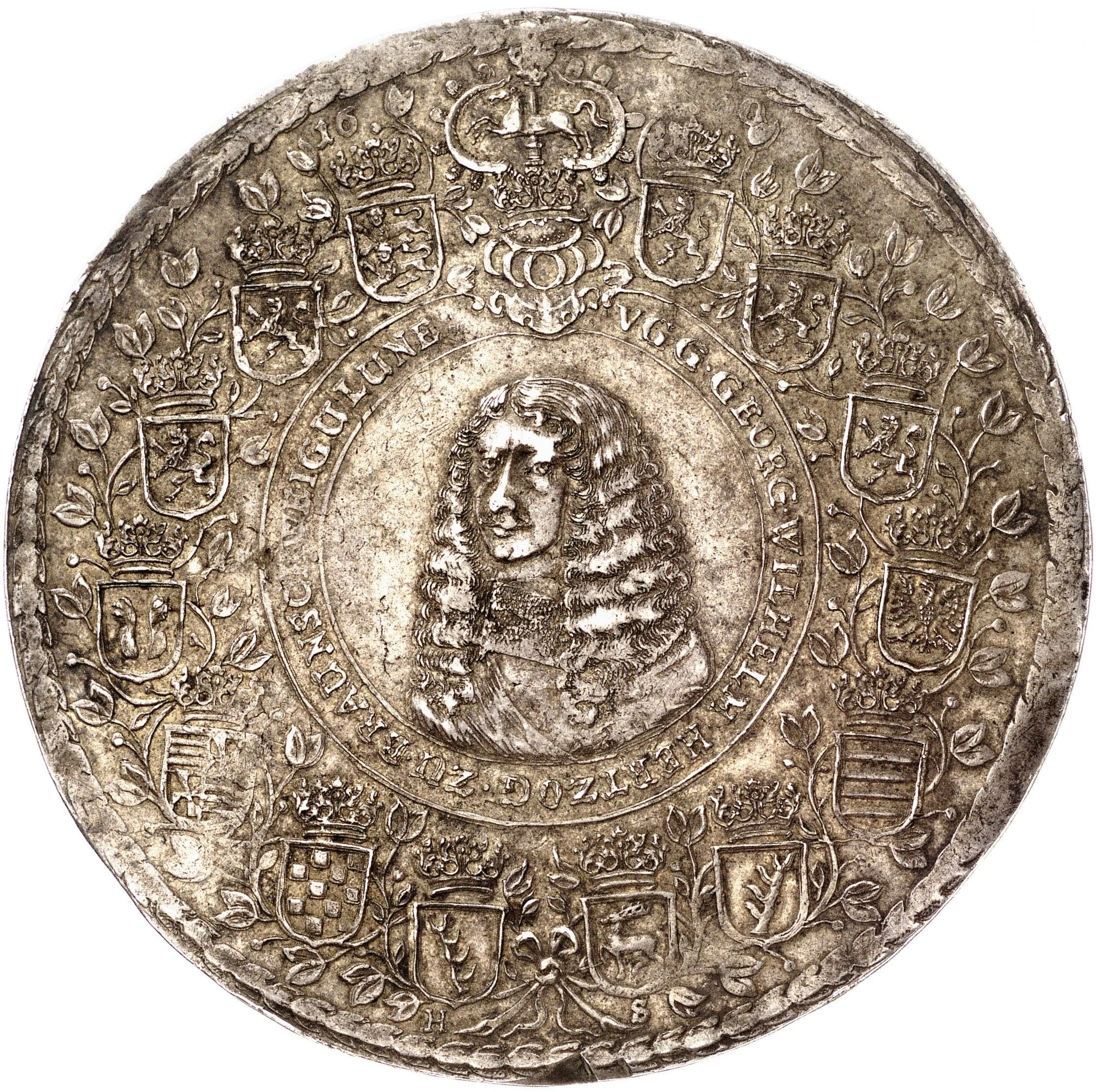
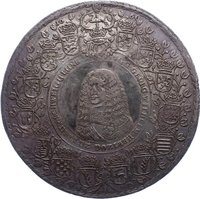
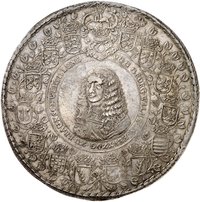
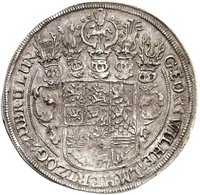
Bust left in a circle of fourteen shields.
Inscription:
16 60
V G G GEORG WILHELM HERTZOG ZU BRAUNSCHWEIG U LUNE
H S
V G G GEORG WILHELM HERTZOG ZU BRAUNSCHWEIG U LUNE
H S
Script: Latin
Reverse
Description:
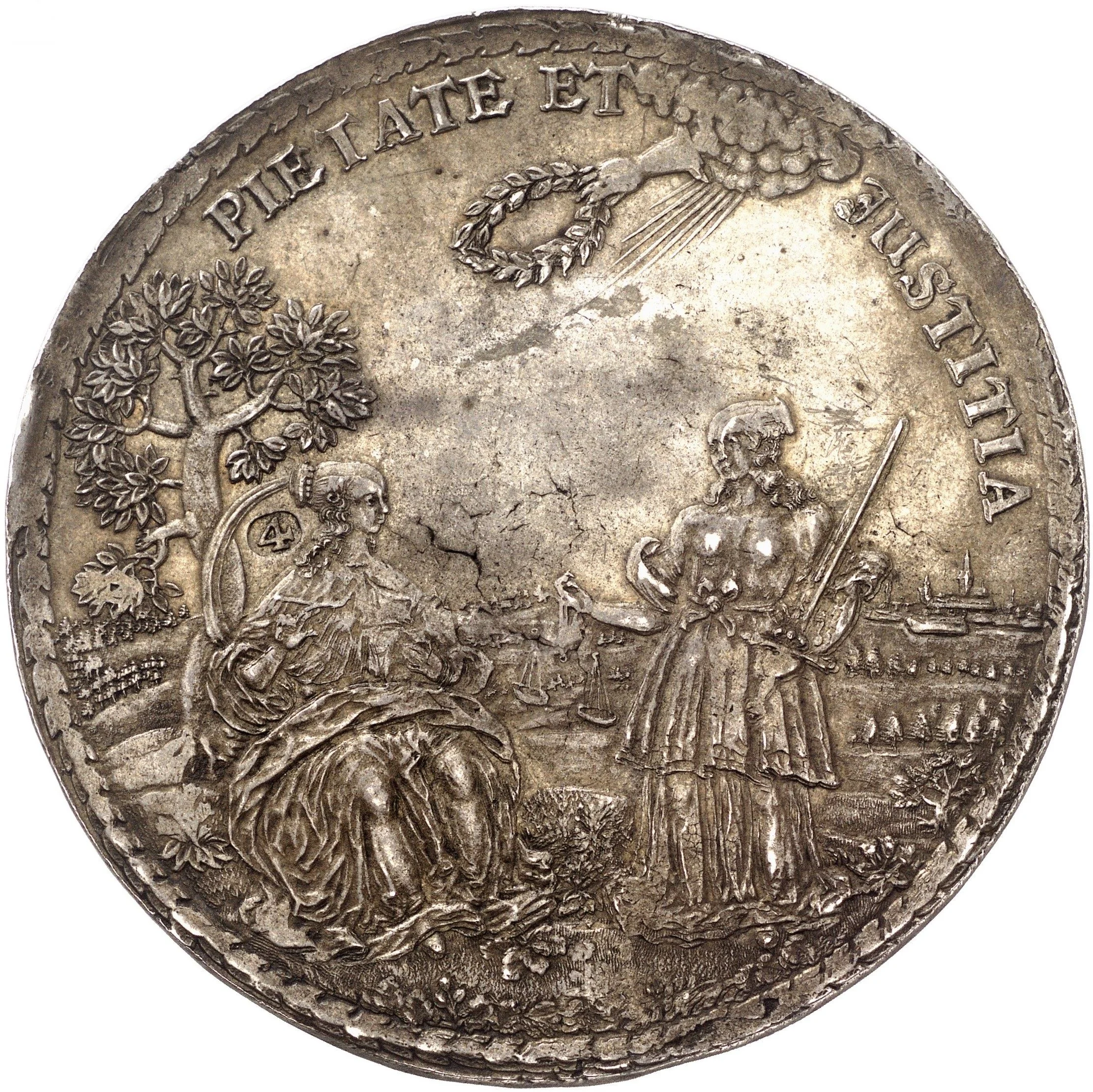
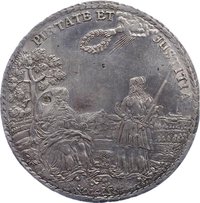
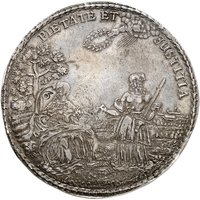
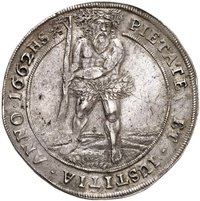
Piety and Justice under a tree, a heavenly arm offering a wreath.
Inscription:
PIETATE ET JUSTITIA
Script: Latin
Edge
Mints
| Name | Mark |
|---|---|
| Zellerfeld | — |
Mintings
| Year | Mint Mark | Mintage | Quality | Collection |
|---|---|---|---|---|
| 1660 | — | — |
Historical background
In 1660, the Duchy of Brunswick-Lüneburg, specifically the Principality of Calenberg under Duke George William, was entangled in the complex and debilitating monetary chaos common across the Holy Roman Empire. The region suffered from a severe proliferation of debased coinage, a problem stemming from the fragmentation of minting rights among numerous imperial states and cities. Neighboring territories, engaging in "Kipper- und Wipperzeit" practices (clipping and culling good coin to mint inferior ones), flooded the market with coins of drastically reduced silver content, causing inflation, commercial distrust, and economic instability within Calenberg.
The core of the issue was the discrepancy between the official Reichsthaler (Imperial Thaler), a large silver coin used as an accounting standard, and the myriad of smaller Landmünzen (regional coins) in daily circulation. Local authorities, including Calenberg, often felt compelled to debase their own coinage to prevent an outflow of silver bullion and to meet fiscal demands, particularly after the financial strains of the Thirty Years' War. This created a vicious cycle where the value of small change was unstable, harming peasants, wage earners, and merchants who relied on it for everyday transactions.
While a comprehensive imperial currency reform (the Zinnaische Münzvertrag of 1667) was still in the future, the year 1660 represents a point of acute crisis and growing recognition of the need for action. Duke George William, like his contemporaries, faced the difficult task of balancing his principality's fiscal needs with the imperative to restore monetary order, a prerequisite for economic recovery and stable state revenue. The situation thus called for regional and eventual imperial agreements to standardize coinage and restore confidence in the monetary system.
The core of the issue was the discrepancy between the official Reichsthaler (Imperial Thaler), a large silver coin used as an accounting standard, and the myriad of smaller Landmünzen (regional coins) in daily circulation. Local authorities, including Calenberg, often felt compelled to debase their own coinage to prevent an outflow of silver bullion and to meet fiscal demands, particularly after the financial strains of the Thirty Years' War. This created a vicious cycle where the value of small change was unstable, harming peasants, wage earners, and merchants who relied on it for everyday transactions.
While a comprehensive imperial currency reform (the Zinnaische Münzvertrag of 1667) was still in the future, the year 1660 represents a point of acute crisis and growing recognition of the need for action. Duke George William, like his contemporaries, faced the difficult task of balancing his principality's fiscal needs with the imperative to restore monetary order, a prerequisite for economic recovery and stable state revenue. The situation thus called for regional and eventual imperial agreements to standardize coinage and restore confidence in the monetary system.
✨ Legendary