

1 octavo – Philippines
Add to wishlist
Philippines
Context
Years: 1773–1783
Issuer: Philippines
Ruler: Charles III
Currency:
(1700—1857)
Subdivision: 1 octavo = ¼ Quarto = ⅛ Real
Demonetized: Yes
Material
References
KM: #
Numista: #336583
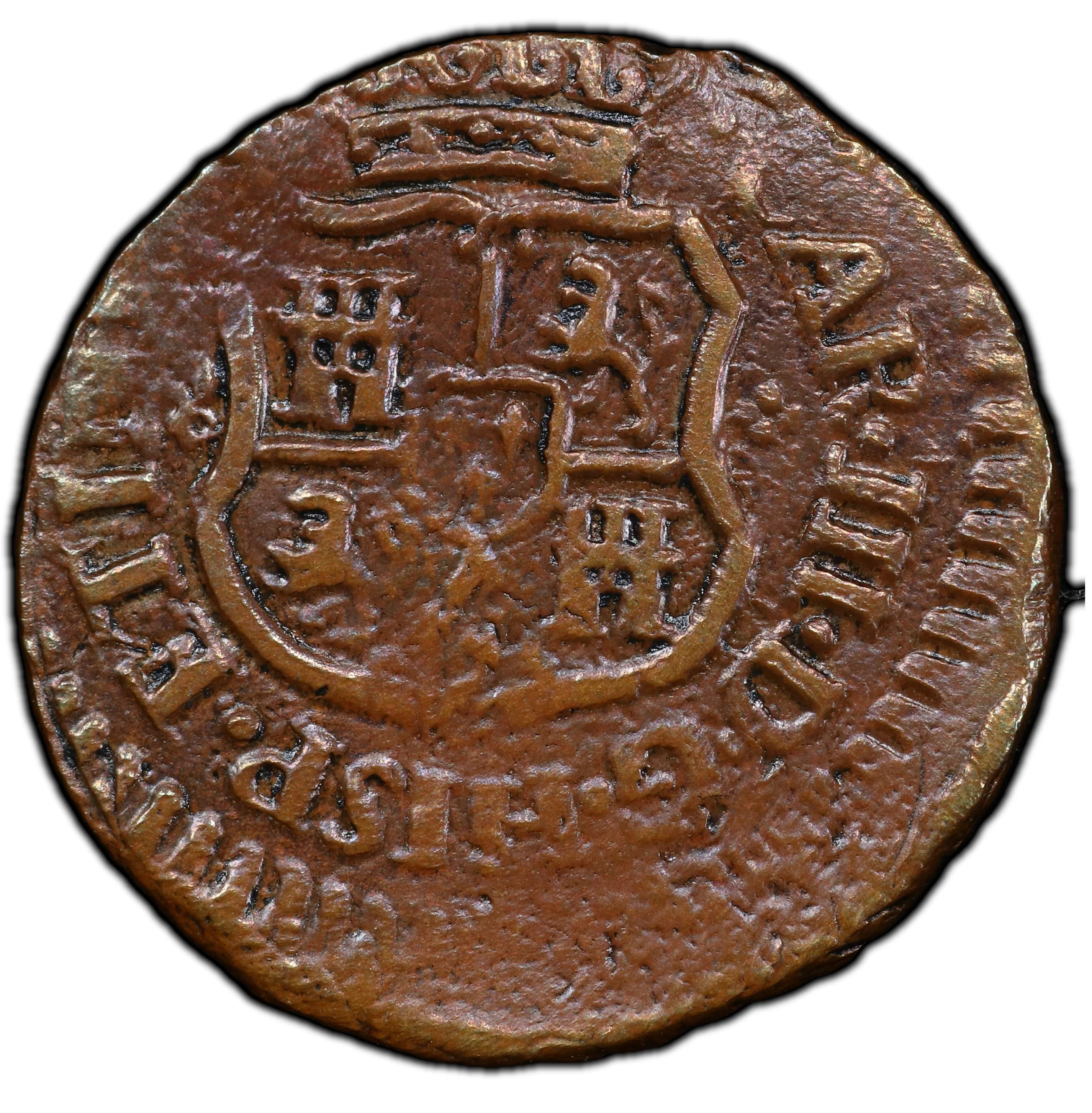
Obverse
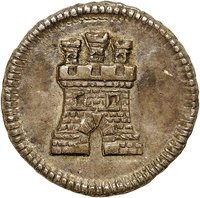
Description:
Spanish coat of arms within a beaded circle.
Inscription:
CAR · III D · G · HISP · ET IND · R ·
Script: Latin
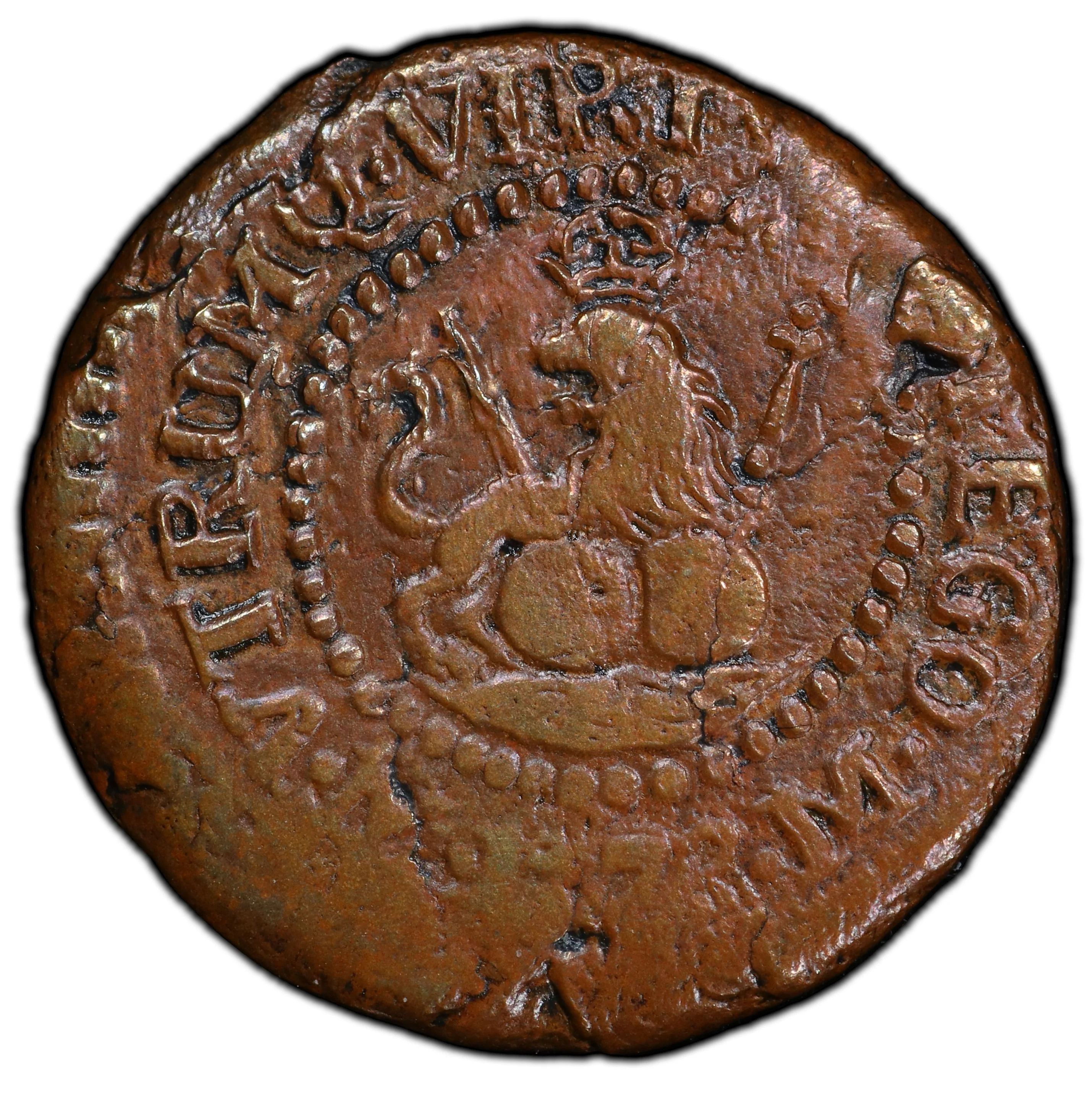
Reverse
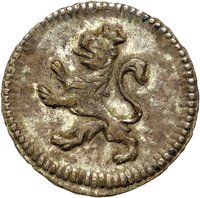
Description:
Crowned lion guarding two globes, waves below, within beaded circle.
Inscription:
VTRUMQ · VIRT · PROTEGO · M · 1773 · M
Script: Latin
Edge
Categories
| Animal> Feline |
| Symbols> Coat of Arms |
Mints
| Name | Mark |
|---|---|
| Manila | M |
Historical background
In 1773, the Philippines operated under a complex and strained monetary system, a legacy of its colonial status under the Spanish Empire. The official currency was the Spanish silver peso or "real de a ocho," but a chronic shortage of these coins plagued the archipelago. This scarcity was due to Manila's role in the galleon trade; vast quantities of American-minted silver arrived from Acapulco, but were swiftly used to purchase Chinese goods, draining specie from local circulation. To facilitate everyday transactions, the colonial government was forced to repeatedly issue emergency copper coins called "barrillas" or "cuartos," which were often poorly made and prone to counterfeiting.
The monetary landscape was further complicated by the widespread use of a multitude of foreign coins, reflecting Manila's position as a global trade hub. Chinese copper "cash" with square holes, Mexican and Peruvian silver pesos, and even Dutch and Indian rupees circulated freely alongside the official Spanish coinage. This created a chaotic exchange environment where merchants and the public had to constantly negotiate values based on weight, fineness, and origin of the coins. The Spanish authorities struggled to impose fixed exchange rates, but market forces and the sheer volume of trade often rendered their decrees ineffective.
This unstable currency situation placed a significant burden on the local population and economy. The unreliable and mixed coinage hindered commerce, facilitated fraud, and made tax collection difficult for the colonial administration. The inherent scarcity of silver also concentrated wealth and economic power in the hands of the colonial elite and the merchant classes involved in the galleon trade, exacerbating social inequalities. Thus, in 1773, the Philippine monetary system was not a unified national currency but a fragile and inefficient patchwork, revealing the economic stresses within Spain's distant colony.
The monetary landscape was further complicated by the widespread use of a multitude of foreign coins, reflecting Manila's position as a global trade hub. Chinese copper "cash" with square holes, Mexican and Peruvian silver pesos, and even Dutch and Indian rupees circulated freely alongside the official Spanish coinage. This created a chaotic exchange environment where merchants and the public had to constantly negotiate values based on weight, fineness, and origin of the coins. The Spanish authorities struggled to impose fixed exchange rates, but market forces and the sheer volume of trade often rendered their decrees ineffective.
This unstable currency situation placed a significant burden on the local population and economy. The unreliable and mixed coinage hindered commerce, facilitated fraud, and made tax collection difficult for the colonial administration. The inherent scarcity of silver also concentrated wealth and economic power in the hands of the colonial elite and the merchant classes involved in the galleon trade, exacerbating social inequalities. Thus, in 1773, the Philippine monetary system was not a unified national currency but a fragile and inefficient patchwork, revealing the economic stresses within Spain's distant colony.
✨ Legendary