

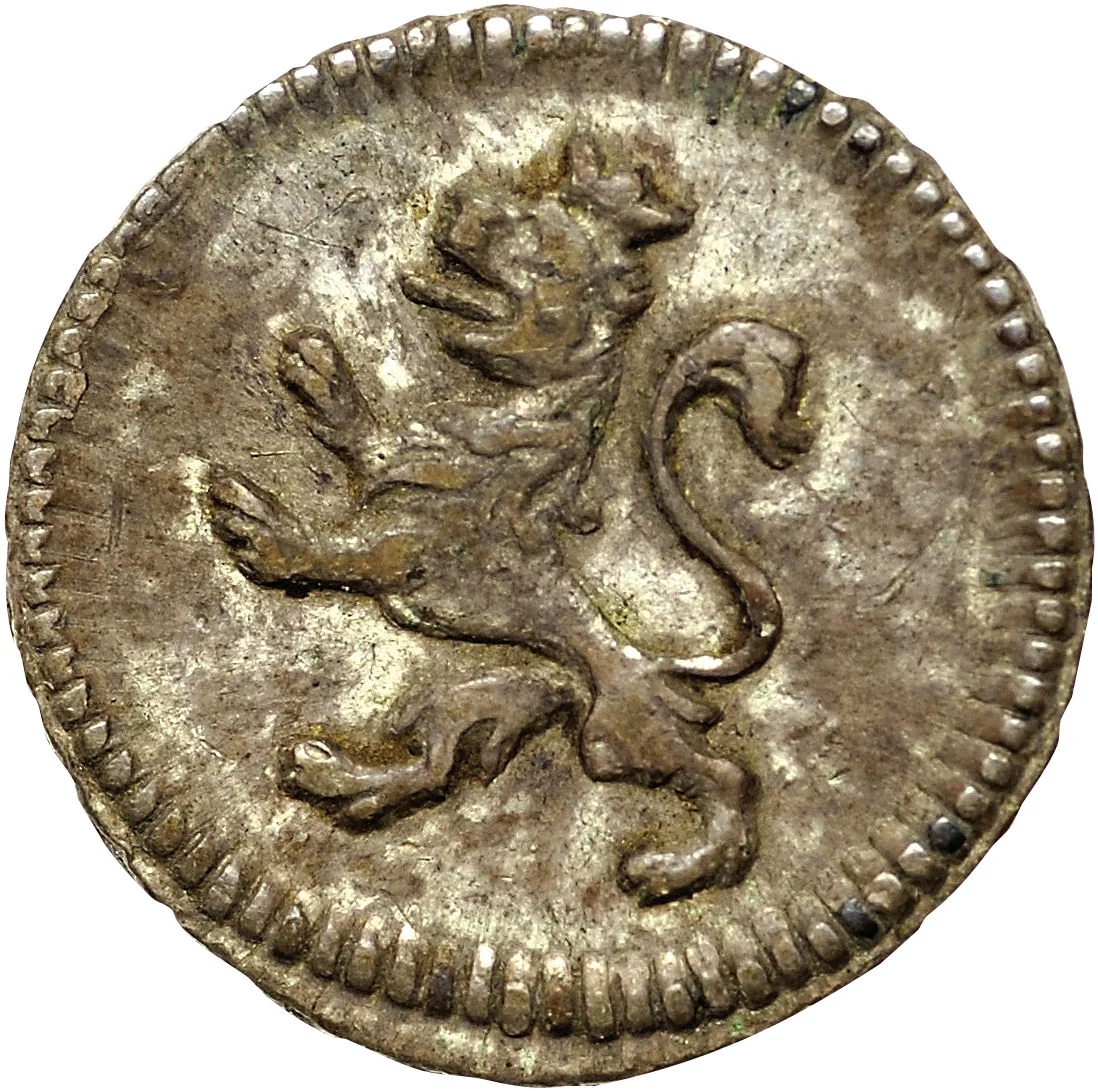
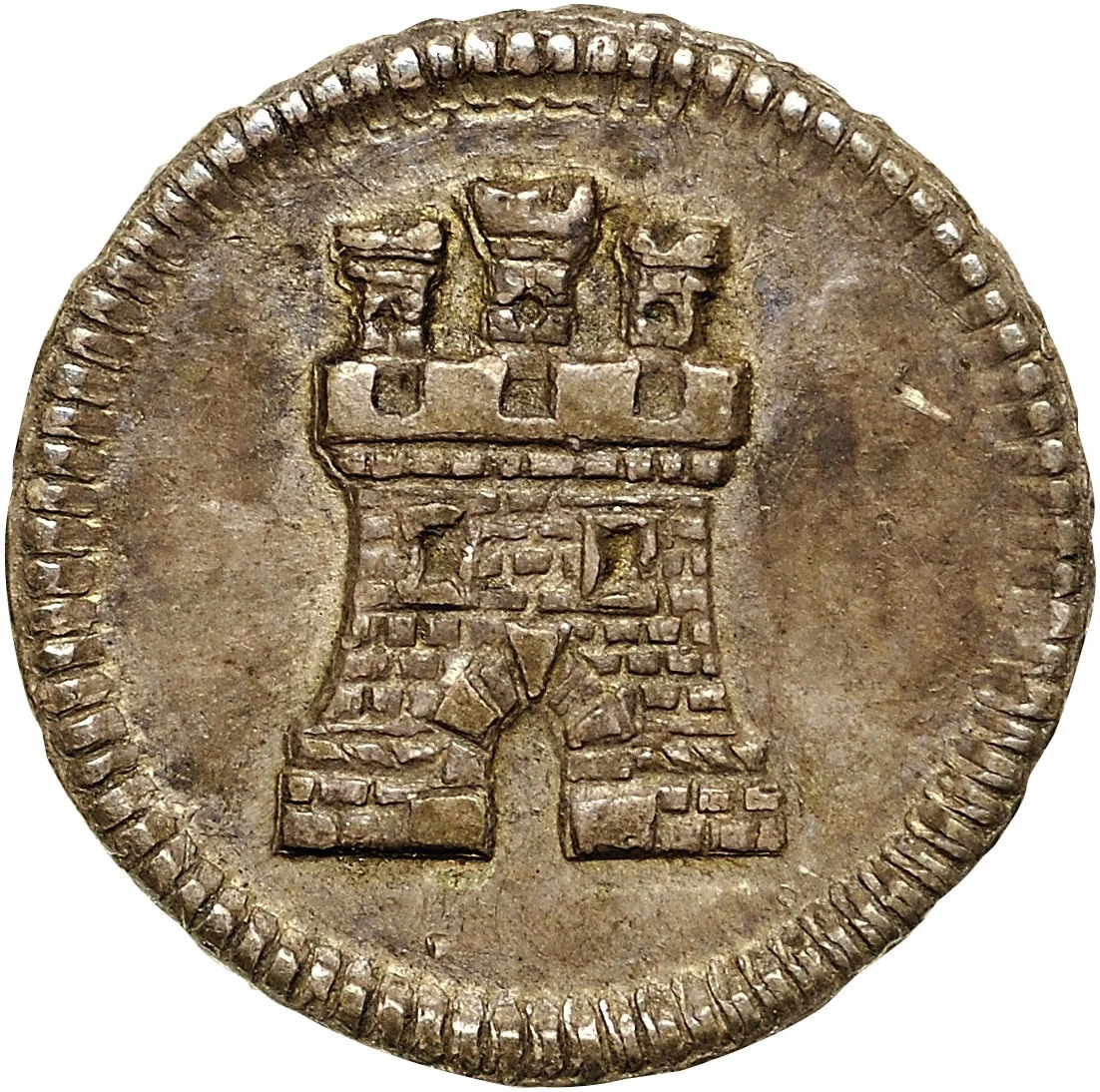
Obverse
Description:
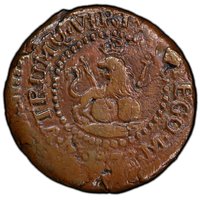
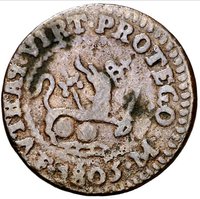
Rampant lion left within beaded circle.
Reverse
Description:
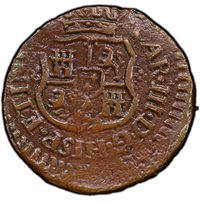
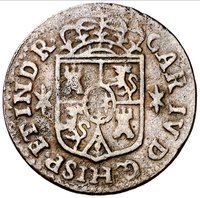
Three-towered castle with a beaded rim.
Edge
Categories
| Animal> Feline |
| Building> Castle or fortification |
Mintings
| Year | Mint Mark | Mintage | Quality | Collection |
|---|---|---|---|---|
| 1788 | — | — |
Historical background
In 1788, the currency situation in the Spanish Philippines was complex and strained, operating under a system of commodity money and a severe shortage of official coinage. The primary unit of account was the silver peso or real de a ocho (piece of eight), but these coins were scarce due to restrictive Spanish mercantilist policies. Most silver flowed from the Manila Galleon trade directly to Acapulco and onward to Spain, leaving the local economy chronically under-monetized. This scarcity was exacerbated by the colony's isolation from direct trade with other silver-producing Spanish colonies in the Americas.
To facilitate everyday transactions, a wide variety of alternative currencies circulated. The most common were Mexican and Peruvian silver coins that arrived via the galleon, often cut into smaller pieces or "bits." More uniquely, gold dust (measured in tahils) and silver nuggets were used in regional trade, especially in the gold-producing areas of Northern Luzon. The most ubiquitous form of money, however, was the low-denomination copper coin known as the cuarto or barrilla, which was minted locally in Manila. These coins were essential for small purchases but were often of inconsistent quality and prone to counterfeiting, leading to frequent public distrust and inflation.
The year 1788 fell within the governorship of Félix Berenguer de Marquina (1788–1793), who would later grapple with these monetary issues. The system was inherently unstable, caught between the colony's vibrant Asian trade networks and Madrid's rigid control. This scarcity of reliable coinage stifled internal commerce and highlighted the growing disconnect between the Philippine economy's needs and the outdated Spanish imperial framework. The situation would eventually prompt limited reforms, including the authorization for the first official copper coinage from the Manila mint in the early 19th century, but in 1788, the currency landscape remained a fragmented and challenging patchwork of precious metals and makeshift substitutes.
To facilitate everyday transactions, a wide variety of alternative currencies circulated. The most common were Mexican and Peruvian silver coins that arrived via the galleon, often cut into smaller pieces or "bits." More uniquely, gold dust (measured in tahils) and silver nuggets were used in regional trade, especially in the gold-producing areas of Northern Luzon. The most ubiquitous form of money, however, was the low-denomination copper coin known as the cuarto or barrilla, which was minted locally in Manila. These coins were essential for small purchases but were often of inconsistent quality and prone to counterfeiting, leading to frequent public distrust and inflation.
The year 1788 fell within the governorship of Félix Berenguer de Marquina (1788–1793), who would later grapple with these monetary issues. The system was inherently unstable, caught between the colony's vibrant Asian trade networks and Madrid's rigid control. This scarcity of reliable coinage stifled internal commerce and highlighted the growing disconnect between the Philippine economy's needs and the outdated Spanish imperial framework. The situation would eventually prompt limited reforms, including the authorization for the first official copper coinage from the Manila mint in the early 19th century, but in 1788, the currency landscape remained a fragmented and challenging patchwork of precious metals and makeshift substitutes.
💎 Extremely Rare