

1 Zecchino – Bologna
Italy
Context
Year: 1742
Country: Italy 
Issuer: Bologna
Ruler: Benedict XIV
Currency:
(1534—1835)
Demonetized: Yes
Material
References
KM: #Click to copy to clipboard230
Numista: #328095
Value
Bullion value: $576.82
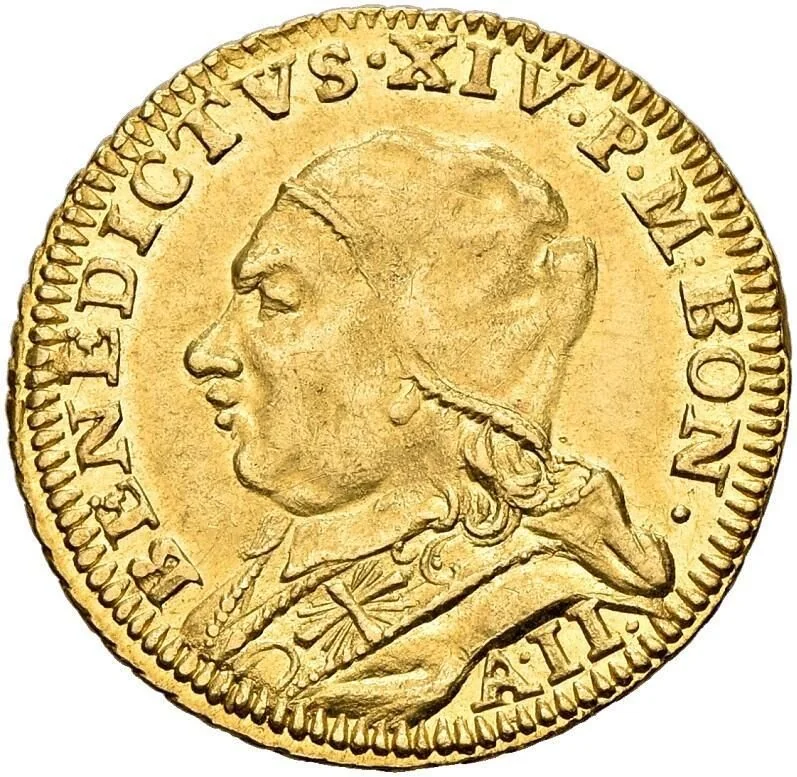
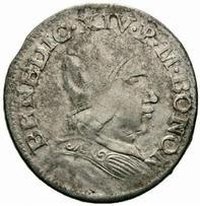
Obverse
Description:
Liberty head facing left.
Inscription:
BENEDICTVS • XIV • P • M • BON •
A.II.
A.II.
Script: Latin
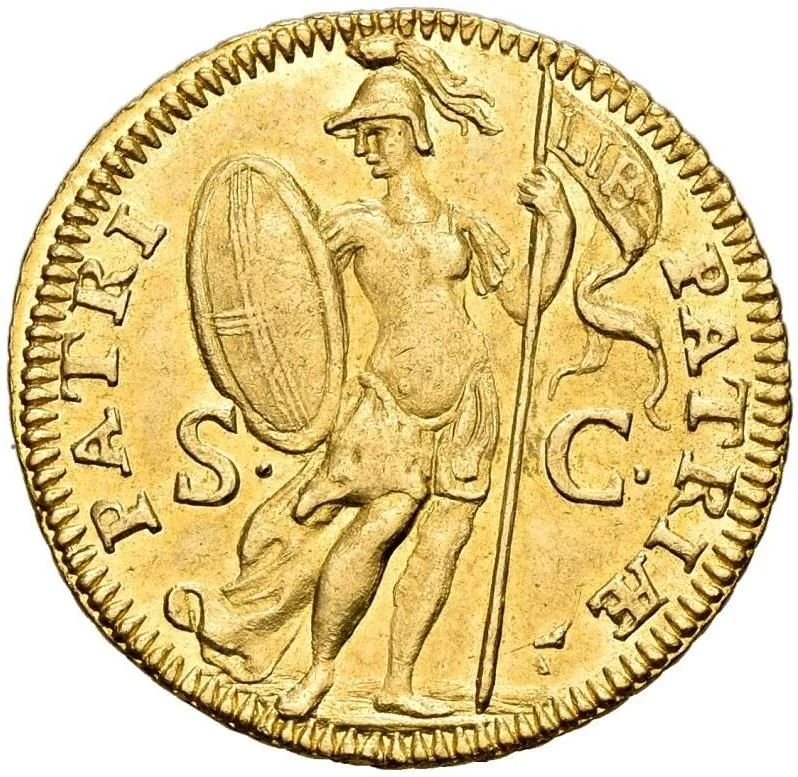
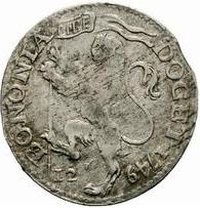
Reverse
Edge
Categories
| Symbol> Flag |
| Object> Hat |
| Symbol> Allegory |
| Object> Armour |
| Person> Monarch |
| Person> Religious figure |
Mints
| Name | Mark |
|---|---|
| Bologna | — |
Mintings
| Year | Mint Mark | Mintage | Quality | Collection |
|---|---|---|---|---|
| 1742 | — | — |
Historical background
In 1742, Bologna existed within a complex monetary landscape typical of the Italian peninsula before unification. The city was part of the Papal States, and its primary official currency was the Papal Scudo, a silver coin. However, the practical economy operated on a bimetallic system of gold and silver, with accounts often kept in the theoretical lira bolognese (divided into 20 soldi, each of 12 denari), while physical transactions involved a bewildering array of actual coins. Alongside Papal issues, older local coins, and currencies from neighboring states like the Venetian ducat or Tuscan florin, circulated freely, their value determined by fluctuating metal content and market trust rather than fixed decree.
This proliferation created chronic instability. The key problem was the frequent debasement of subsidiary coinage—the lower-value soldi and quattrini struck from billon (a base silver alloy). The papal mint, facing fiscal pressures, would reduce the silver content in these coins to generate seigniorage revenue, leading to inflation in everyday prices. As Gresham’s law took hold, "good" full-weight silver scudi were hoarded or exported, while "bad" debased coins flooded the market, harming wage earners and causing confusion in commerce. Merchants and bankers therefore relied on agio—a daily premium or discount—for exchanging between coin types, making trade a specialized and risky endeavor.
The situation reflected Bologna’s semi-autonomous status under papal rule. While the city’s ancient institutions, like the Senato, managed local economic life, ultimate monetary authority lay with the Papal Treasury in Rome, whose priorities often conflicted with local stability. Consequently, 1742 was not an exceptional year of crisis but rather a point within a persistent struggle: a year where Bolognese merchants, market vendors, and consumers navigated the daily friction of a fragmented system, using scales and published exchange lists to conduct business, awaiting the next inevitable shift in the value of the coins in their pockets.
This proliferation created chronic instability. The key problem was the frequent debasement of subsidiary coinage—the lower-value soldi and quattrini struck from billon (a base silver alloy). The papal mint, facing fiscal pressures, would reduce the silver content in these coins to generate seigniorage revenue, leading to inflation in everyday prices. As Gresham’s law took hold, "good" full-weight silver scudi were hoarded or exported, while "bad" debased coins flooded the market, harming wage earners and causing confusion in commerce. Merchants and bankers therefore relied on agio—a daily premium or discount—for exchanging between coin types, making trade a specialized and risky endeavor.
The situation reflected Bologna’s semi-autonomous status under papal rule. While the city’s ancient institutions, like the Senato, managed local economic life, ultimate monetary authority lay with the Papal Treasury in Rome, whose priorities often conflicted with local stability. Consequently, 1742 was not an exceptional year of crisis but rather a point within a persistent struggle: a year where Bolognese merchants, market vendors, and consumers navigated the daily friction of a fragmented system, using scales and published exchange lists to conduct business, awaiting the next inevitable shift in the value of the coins in their pockets.
✨ Legendary