

1 Quattrino – Gubbio
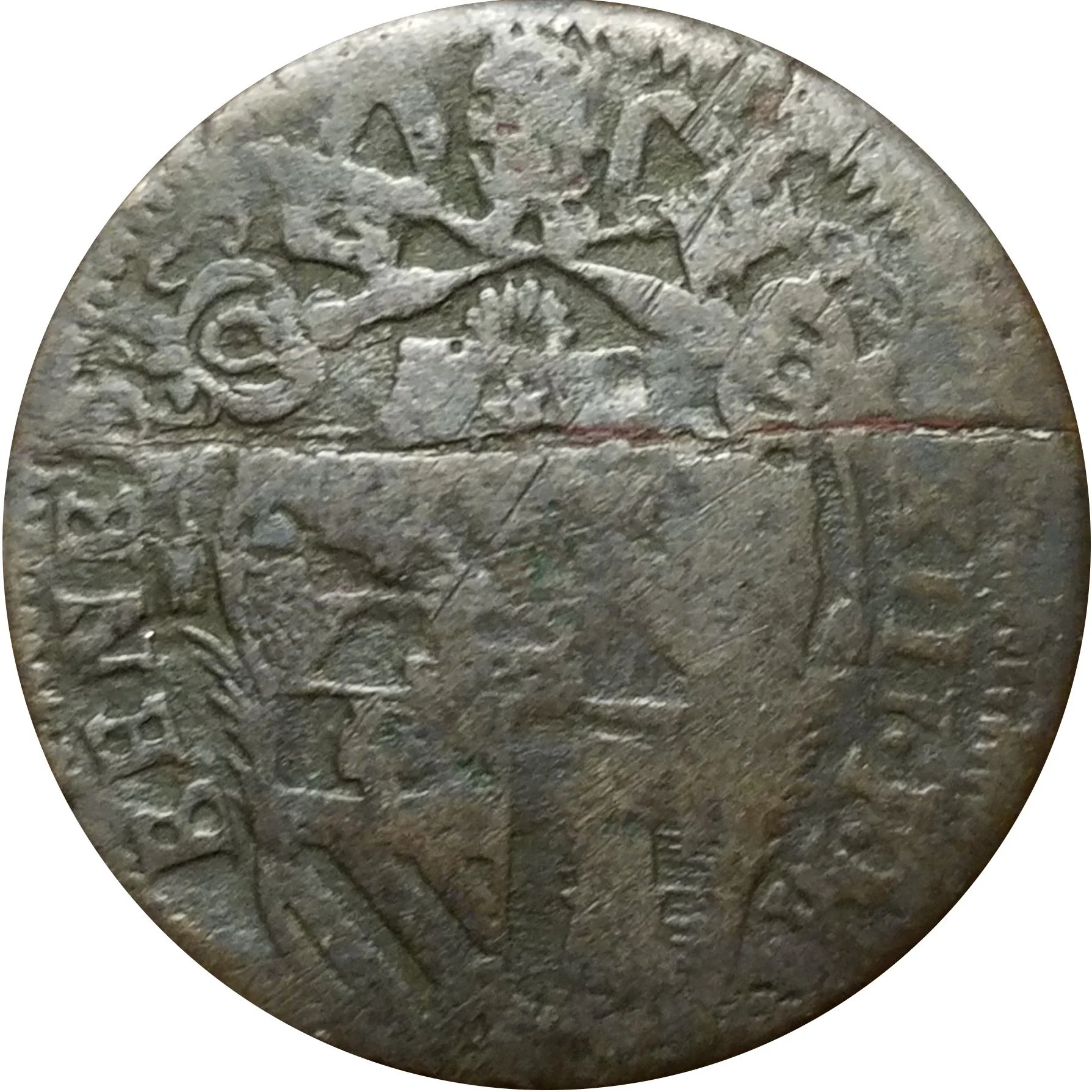
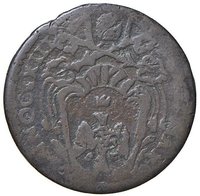
Obverse
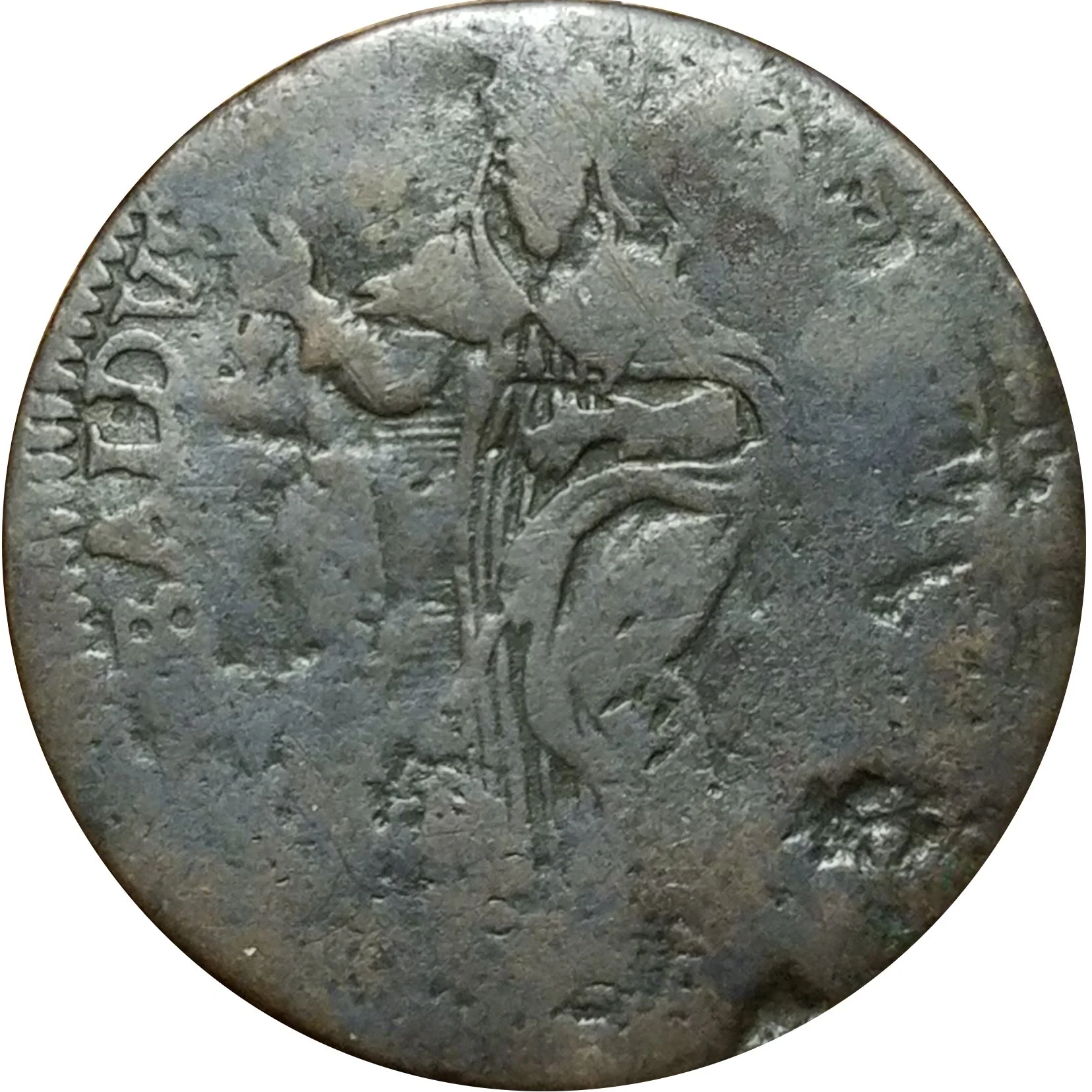
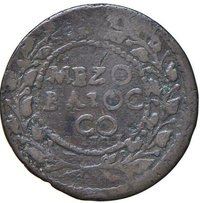
Reverse
Description:
Saint Ubaldus' blessing, a slanted crook.
Inscription:
S٠VBALDVS٠EP٠EVGVBII٠
Script: Latin
Edge
Categories
| Symbols> Coat of Arms |
| Person> Religious figure |
| Symbol> Hand |
| Symbol> Crown |
Mints
| Name | Mark |
|---|---|
| Gubbio | — |
Mintings
| Year | Mint Mark | Mintage | Quality | Collection |
|---|---|---|---|---|
| — | — | — |
Historical background
In 1724, the Italian city-state of Gubbio, like much of the Papal States under Pope Benedict XIII, operated within a complex and often chaotic monetary system. The official currency was the Papal scudo, a silver coin, but in practice, Gubbio's economy was flooded with a bewildering variety of coins. These included older papal issues from previous reigns, silver piastres from Spanish-controlled Naples, gold zecchini from Venice, and even debased local tokens issued by nearby cities and feudal lords. This proliferation created significant challenges for merchants and citizens, who needed to constantly assess the weight, purity, and fluctuating exchange rates of dozens of coin types for everyday transactions.
The root of this disorder lay in the chronic shortage of small-denomination coinage for daily market trade. The Papal mint in Rome often failed to produce sufficient baiocchi and quattrini (copper and billon coins), leading to local shortages. This vacuum was frequently filled by counterfeit coins and by the "clipping" or shaving of precious metal from the edges of legitimate silver coins, further eroding trust in the currency. Consequently, prices were often unstable, and transactions required careful negotiation not just over the price of goods, but over the very medium of exchange to be used.
While Gubbio itself did not have a mint, local authorities were forced to regularly publish "liste di tariffa" (tariff lists). These official bulletins attempted to fix the value of the myriad foreign and domestic coins in circulation relative to the papal scudo, hoping to bring order to the marketplace. However, these tariffs were often reactive, struggling to keep pace with the influx of new coin types and the gradual degradation of existing ones. Thus, the monetary situation in 1724 was one of fragile and enforced order, a daily negotiation between official papal policy and the practical realities of a fragmented pre-unification Italian economy.
The root of this disorder lay in the chronic shortage of small-denomination coinage for daily market trade. The Papal mint in Rome often failed to produce sufficient baiocchi and quattrini (copper and billon coins), leading to local shortages. This vacuum was frequently filled by counterfeit coins and by the "clipping" or shaving of precious metal from the edges of legitimate silver coins, further eroding trust in the currency. Consequently, prices were often unstable, and transactions required careful negotiation not just over the price of goods, but over the very medium of exchange to be used.
While Gubbio itself did not have a mint, local authorities were forced to regularly publish "liste di tariffa" (tariff lists). These official bulletins attempted to fix the value of the myriad foreign and domestic coins in circulation relative to the papal scudo, hoping to bring order to the marketplace. However, these tariffs were often reactive, struggling to keep pace with the influx of new coin types and the gradual degradation of existing ones. Thus, the monetary situation in 1724 was one of fragile and enforced order, a daily negotiation between official papal policy and the practical realities of a fragmented pre-unification Italian economy.
✨ Legendary