

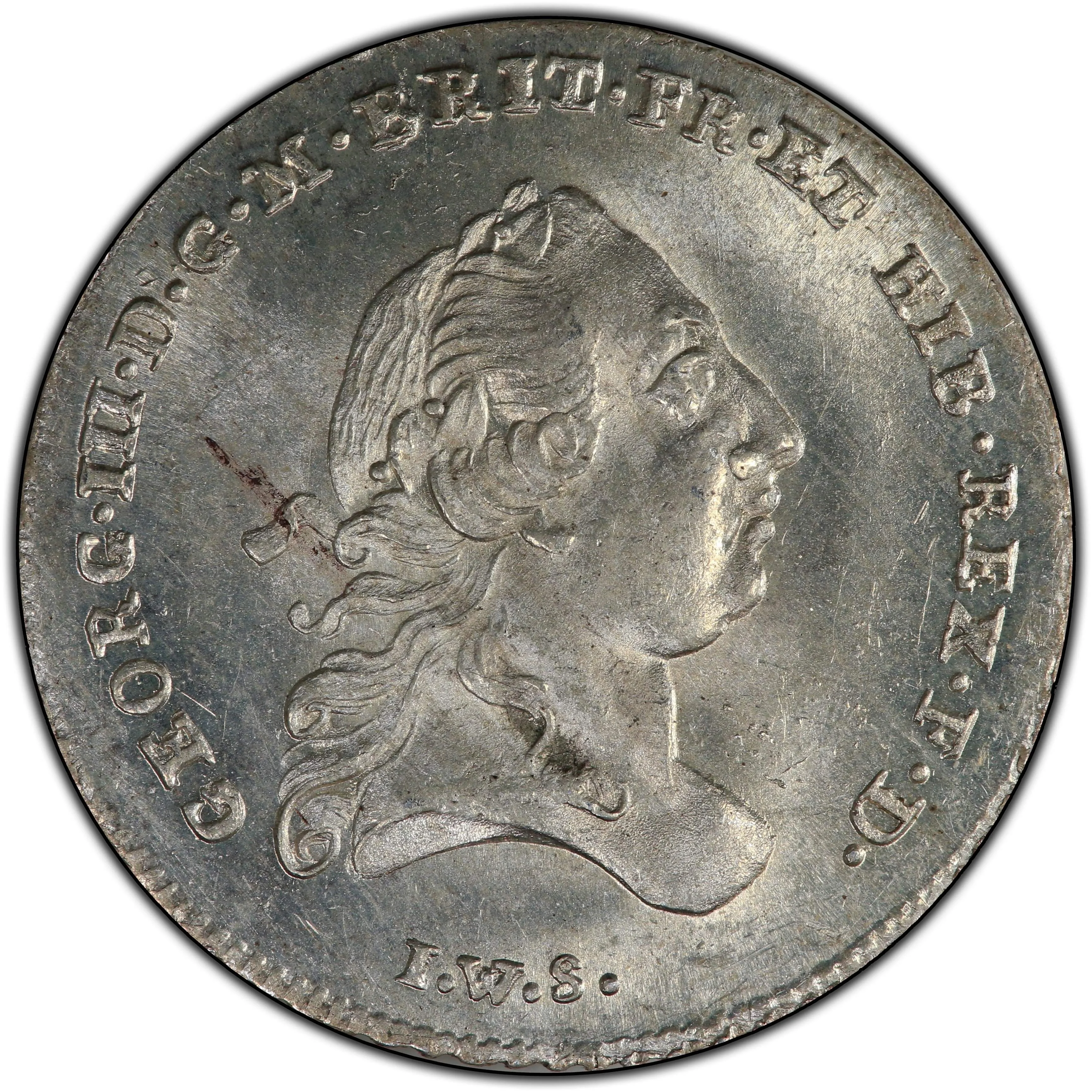
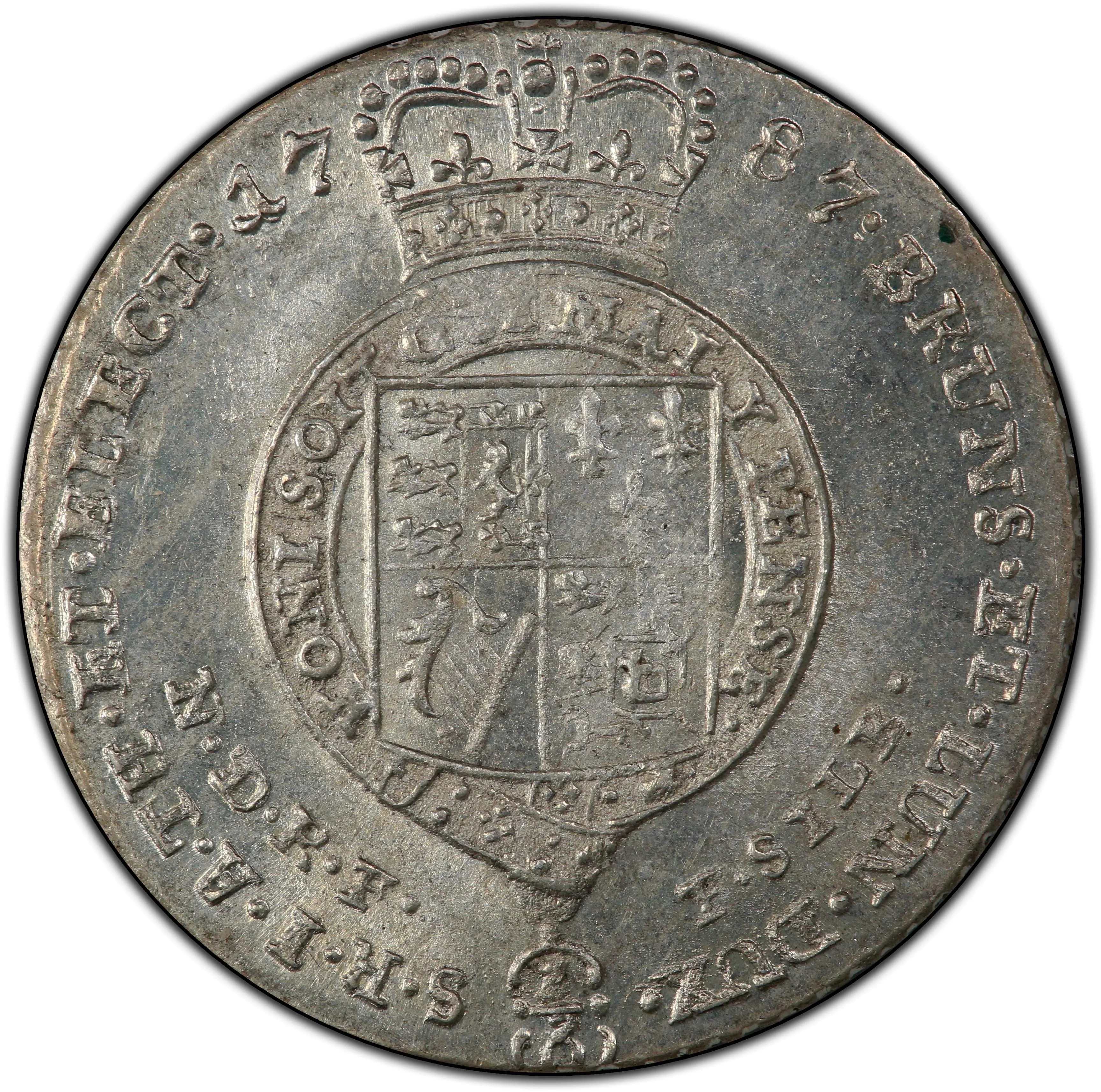
⅙ thaler – Brunswick-Lüneburg-Calenberg-Hannover
Add to wishlist
Germany
Context
Material
References
KM: #
Numista: #320189
Value
Bullion value: $8.08
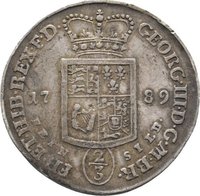
Obverse
Description:
Go right
Script: Latin
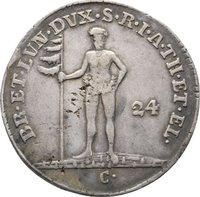
Reverse
Description:
Garter with crown, enclosing crossed arms.
Script: Latin
Edge
Mints
| Name | Mark |
|---|---|
| Clausthal | — |
Mintings
| Year | Mint Mark | Mintage | Quality | Collection |
|---|---|---|---|---|
| 1786 | — | — | ||
| 1787 | — | — | ||
| 1789 | — | — |
Historical background
In 1786, the currency situation in the Duchy of Brunswick-Lüneburg, specifically the Principality of Calenberg (with its capital in Hanover), was characterized by significant complexity and fragmentation. The monetary system was not unified, operating under the umbrella of the Holy Roman Empire's archaic framework. The region officially used the Reichsthaler (Imperial Thaler) as a standard accounting unit, but daily commerce was dominated by a plethora of actual circulating coins. These included various German state thalers, gold ducats, and a flood of smaller fractional coins like Gute Groschen and Mariengroschen, each with differing metallic content and value relative to the accounting thaler. Furthermore, the nearby city of Hamburg's bank money (Mark Banco) exerted a strong influence on trade, adding another layer of exchange calculation for merchants.
This multiplicity created chronic problems for trade and public administration. The value of coins was tied to their precious metal content, leading to frequent manipulation, clipping, and the circulation of debased or foreign coins. The situation was exacerbated by the fact that the Hanoverian territories were in personal union with Great Britain since 1714, which tied its economy to international trade and finance, making the local currency chaos particularly obstructive. Authorities faced constant challenges with counterfeiting and the need to publish lengthy conversion tables (Kurantzettel) so citizens could navigate the daily exchange rates between dozens of coin types.
Efforts at reform were underway but incomplete. The ruling prince, who was also King George III of Great Britain, had limited direct engagement, leaving administration to local officials. While there were attempts to standardize the coinage and align it more closely with the Conventionsfuß standard used in northern Germany, progress was slow. Thus, in 1786, the currency system remained a cumbersome patchwork, imposing transaction costs and uncertainty on the economy, and highlighting the pressing need for the monetary unification that would only come decades later with the formation of the German Customs Union and, ultimately, the German Empire.
This multiplicity created chronic problems for trade and public administration. The value of coins was tied to their precious metal content, leading to frequent manipulation, clipping, and the circulation of debased or foreign coins. The situation was exacerbated by the fact that the Hanoverian territories were in personal union with Great Britain since 1714, which tied its economy to international trade and finance, making the local currency chaos particularly obstructive. Authorities faced constant challenges with counterfeiting and the need to publish lengthy conversion tables (Kurantzettel) so citizens could navigate the daily exchange rates between dozens of coin types.
Efforts at reform were underway but incomplete. The ruling prince, who was also King George III of Great Britain, had limited direct engagement, leaving administration to local officials. While there were attempts to standardize the coinage and align it more closely with the Conventionsfuß standard used in northern Germany, progress was slow. Thus, in 1786, the currency system remained a cumbersome patchwork, imposing transaction costs and uncertainty on the economy, and highlighting the pressing need for the monetary unification that would only come decades later with the formation of the German Customs Union and, ultimately, the German Empire.
✨ Legendary