

1 Piastra – Ferrara
Italy
Context
Years: 1621–1623
Country: Italy 
Issuer: Ferrara
Ruler: Gregory XV
Currency:
(1534—1835)
Demonetized: Yes
Material
Diameter: 44 mm
Weight: 31.5 g
Silver weight: 31.50 g
Shape: Round
Composition: Silver
Standard: Silver ounce
Magnetic: No
References
KM: #Click to copy to clipboard39
Numista: #319325
Value
Bullion value: $91.37
Obverse
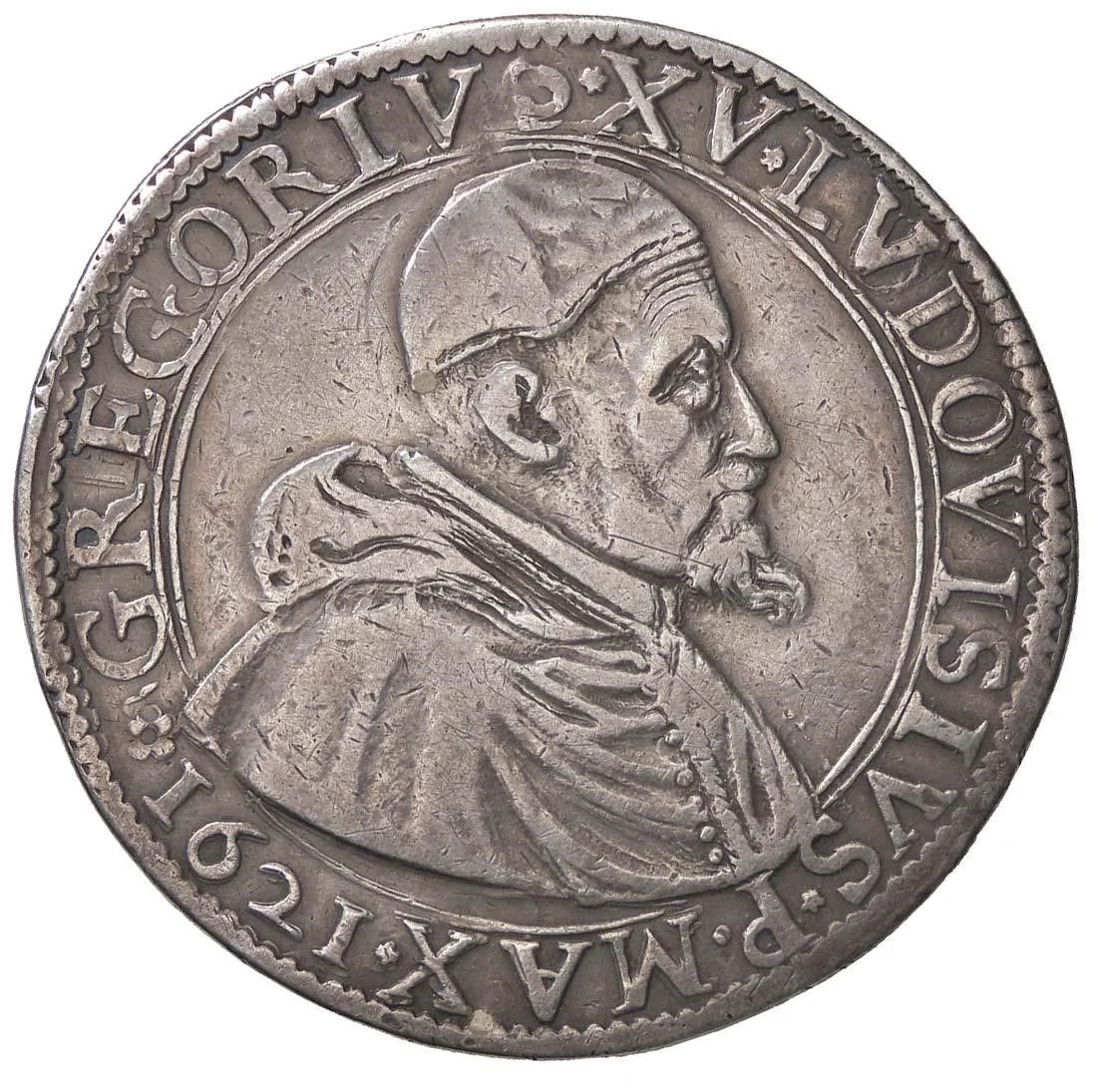
Description:
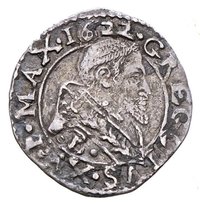
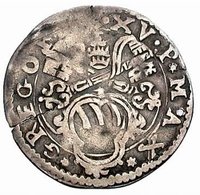
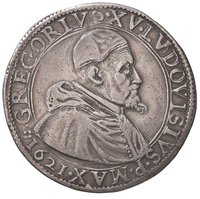
Pope Gregory bust facing right in cap and hood, with date below.
Inscription:
✿ GREGORIVS ✶ XV ✶ LVDOVISIVS ✶P ✶MAX
Script: Latin
Reverse
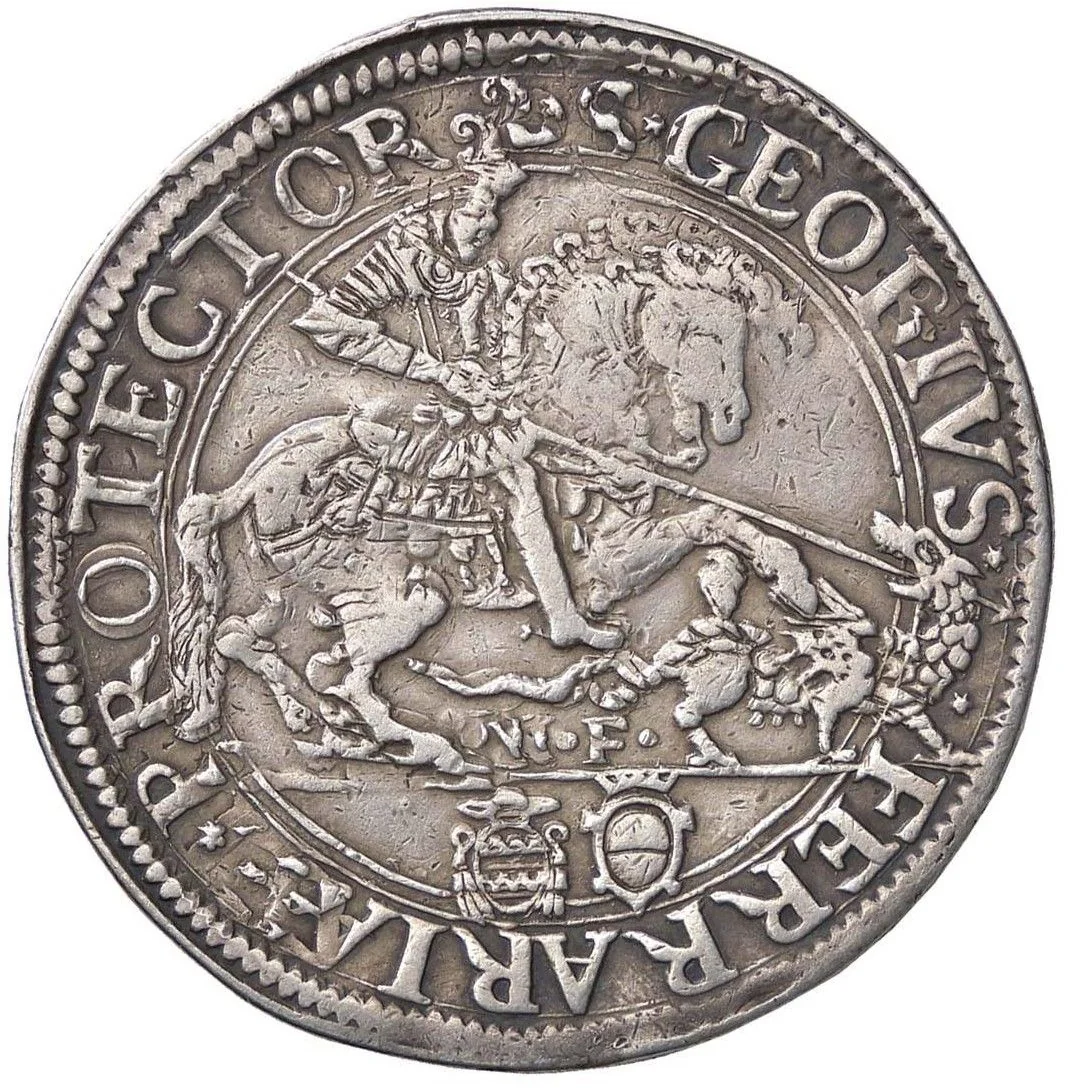
Description:
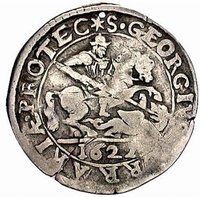
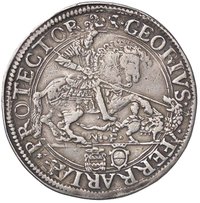
Saint George on horseback, armored, spearing a dragon. Initials above exergue; personal and Ferrara city arms below.
Inscription:
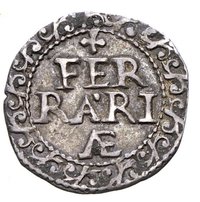
S ✶ GEORIVS ✶ FERRARIAE ✶ PROTECTOR
Script: Latin
Edge
Mints
| Name | Mark |
|---|---|
| Ferrara | — |
Mintings
| Year | Mint Mark | Mintage | Quality | Collection |
|---|---|---|---|---|
| 1621 | — | — | ||
| 1622 | — | — | ||
| 1623 | — | — |
Historical background
In 1621, Ferrara found itself in a complex monetary situation, caught between the legacy of its former independence and the realities of its absorption into the Papal States. Since the death of the last Este duke, Alfonso II, in 1597, and the subsequent "Devoluzione" to Pope Clement VIII, the city had lost its status as an independent ducal capital. This political shift had significant economic consequences, as Ferrara was now integrated into the broader Papal monetary system, which was itself struggling with the inflationary pressures affecting much of Europe due to the influx of silver from the New World.
The local economy operated with a dual reality of actual and imaginary currencies. While physical coins in circulation included Papal scudi, giuli, and baiochi, as well as various foreign coins from neighboring states like Venice and Milan, accounting was often conducted in the old Este system of lire, soldi, and denari. This practice, using a stable "money of account," helped merchants and institutions hedge against the frequent debasement and fluctuating values of the actual metal coins. The Papal authorities attempted to impose fixed exchange rates (corso) for these coins, but the black market and varying intrinsic metal values often made these official rates ineffective, leading to confusion and frequent disputes in trade.
Furthermore, the year 1621 fell within the early, turbulent decades of the so-called "Price Revolution," and Ferrara, like much of Italy, felt the pinch. The cost of living was rising, putting pressure on the populace and complicating fiscal policy for the papal legate governing the city. The situation was exacerbated by Ferrara’s diminished economic role after the papal takeover and the silting of its waterways, which reduced trade. Thus, the currency situation reflected a city in economic transition, grappling with inflation, competing monetary systems, and the loss of its former sovereign’s power to directly manage its coinage for local benefit.
The local economy operated with a dual reality of actual and imaginary currencies. While physical coins in circulation included Papal scudi, giuli, and baiochi, as well as various foreign coins from neighboring states like Venice and Milan, accounting was often conducted in the old Este system of lire, soldi, and denari. This practice, using a stable "money of account," helped merchants and institutions hedge against the frequent debasement and fluctuating values of the actual metal coins. The Papal authorities attempted to impose fixed exchange rates (corso) for these coins, but the black market and varying intrinsic metal values often made these official rates ineffective, leading to confusion and frequent disputes in trade.
Furthermore, the year 1621 fell within the early, turbulent decades of the so-called "Price Revolution," and Ferrara, like much of Italy, felt the pinch. The cost of living was rising, putting pressure on the populace and complicating fiscal policy for the papal legate governing the city. The situation was exacerbated by Ferrara’s diminished economic role after the papal takeover and the silting of its waterways, which reduced trade. Thus, the currency situation reflected a city in economic transition, grappling with inflation, competing monetary systems, and the loss of its former sovereign’s power to directly manage its coinage for local benefit.
Series: 1621 Ferrara circulation coins
✨ Legendary