

1 Quattrino – Ferrara
Italy
Context
Years: 1622–1623
Country: Italy 
Issuer: Ferrara
Ruler: Gregory XV
Currency:
(1534—1835)
Demonetized: Yes
Material
References
KM: #Click to copy to clipboard42
Numista: #58579
Obverse
Description:
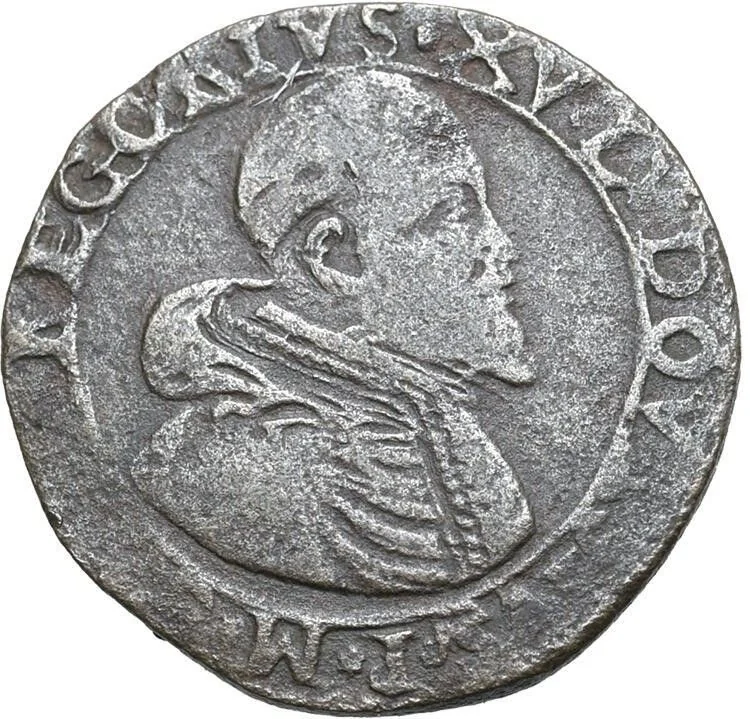
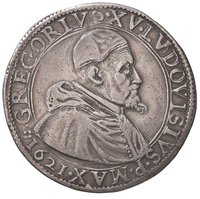
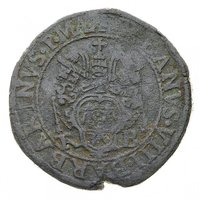
Bust of Gregory XV, right profile.
Inscription:
GREGORIVS•XV•LVDOVISIVS•P•M•
1623
1623
Script: Latin
Reverse
Description:
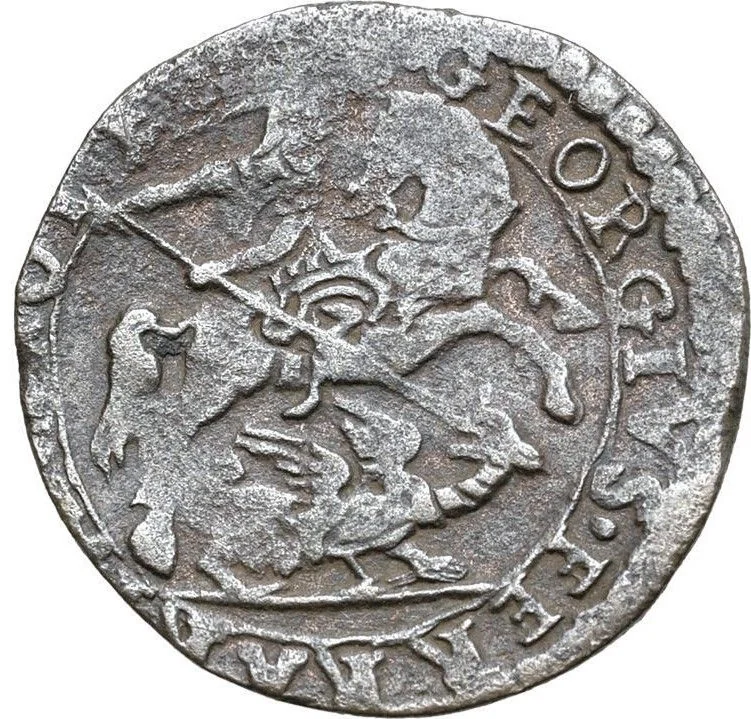
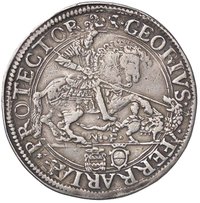
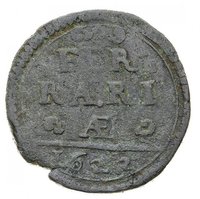
Saint George slaying the dragon.
Inscription:
+S•GEORGIVS•FERRARIÆ•PROTEC
Script: Latin
Edge
Categories
| Mythology> Fantastic animal |
| Animal> Horse |
Mints
| Name | Mark |
|---|---|
| Ferrara | — |
Mintings
| Year | Mint Mark | Mintage | Quality | Collection |
|---|---|---|---|---|
| 1622 | — | — | ||
| 1623 | — | — |
Historical background
In 1622, the currency situation in the Duchy of Ferrara was defined by its recent and politically charged integration into the Papal States. Following the death of the last Este duke, Alfonso II, in 1597 without a legitimate heir, Pope Clement VIII annexed Ferrara in 1598. By 1622, the city was under the direct financial and monetary administration of Rome, which sought to standardize the currency across its territories. This meant the gradual suppression of the old Ferrarese coinage, such as the lira ferrarese, and its replacement with the Papal States' scudo-based system. The primary circulating coins were the Papal scudo (gold), the giulio (silver), and the baiocco (copper), with their values and purity dictated by the papal mint in Rome.
This transition created a complex and often unstable monetary environment on the ground. Older Este coins, now officially demonetized, continued to circulate at fluctuating and discounted rates, leading to confusion in everyday transactions. Furthermore, the Papal monetary policy was frequently strained by the debasement of subsidiary coinage to fund Rome's various projects and conflicts. This practice of reducing the silver content in coins like the giulio led to inflation, a loss of public trust, and the common economic phenomenon of "bad money driving out good," where older, purer coins were hoarded or melted down.
Consequently, merchants and citizens in Ferrara faced significant practical challenges. Prices in markets had to account for multiple coinages of uncertain value, requiring constant reference to exchange bulletins. The situation particularly burdened the lower classes, who conducted daily business in copper and debased silver, effectively eroding their purchasing power. Thus, in 1622, Ferrara's currency was not merely an economic tool but a tangible symbol of its lost autonomy, characterized by monetary duality, inflationary pressure from papal fiscal policy, and the daily friction of a standardized system imposed upon a local economy with deep-rooted traditions.
This transition created a complex and often unstable monetary environment on the ground. Older Este coins, now officially demonetized, continued to circulate at fluctuating and discounted rates, leading to confusion in everyday transactions. Furthermore, the Papal monetary policy was frequently strained by the debasement of subsidiary coinage to fund Rome's various projects and conflicts. This practice of reducing the silver content in coins like the giulio led to inflation, a loss of public trust, and the common economic phenomenon of "bad money driving out good," where older, purer coins were hoarded or melted down.
Consequently, merchants and citizens in Ferrara faced significant practical challenges. Prices in markets had to account for multiple coinages of uncertain value, requiring constant reference to exchange bulletins. The situation particularly burdened the lower classes, who conducted daily business in copper and debased silver, effectively eroding their purchasing power. Thus, in 1622, Ferrara's currency was not merely an economic tool but a tangible symbol of its lost autonomy, characterized by monetary duality, inflationary pressure from papal fiscal policy, and the daily friction of a standardized system imposed upon a local economy with deep-rooted traditions.
💎 Extremely Rare