

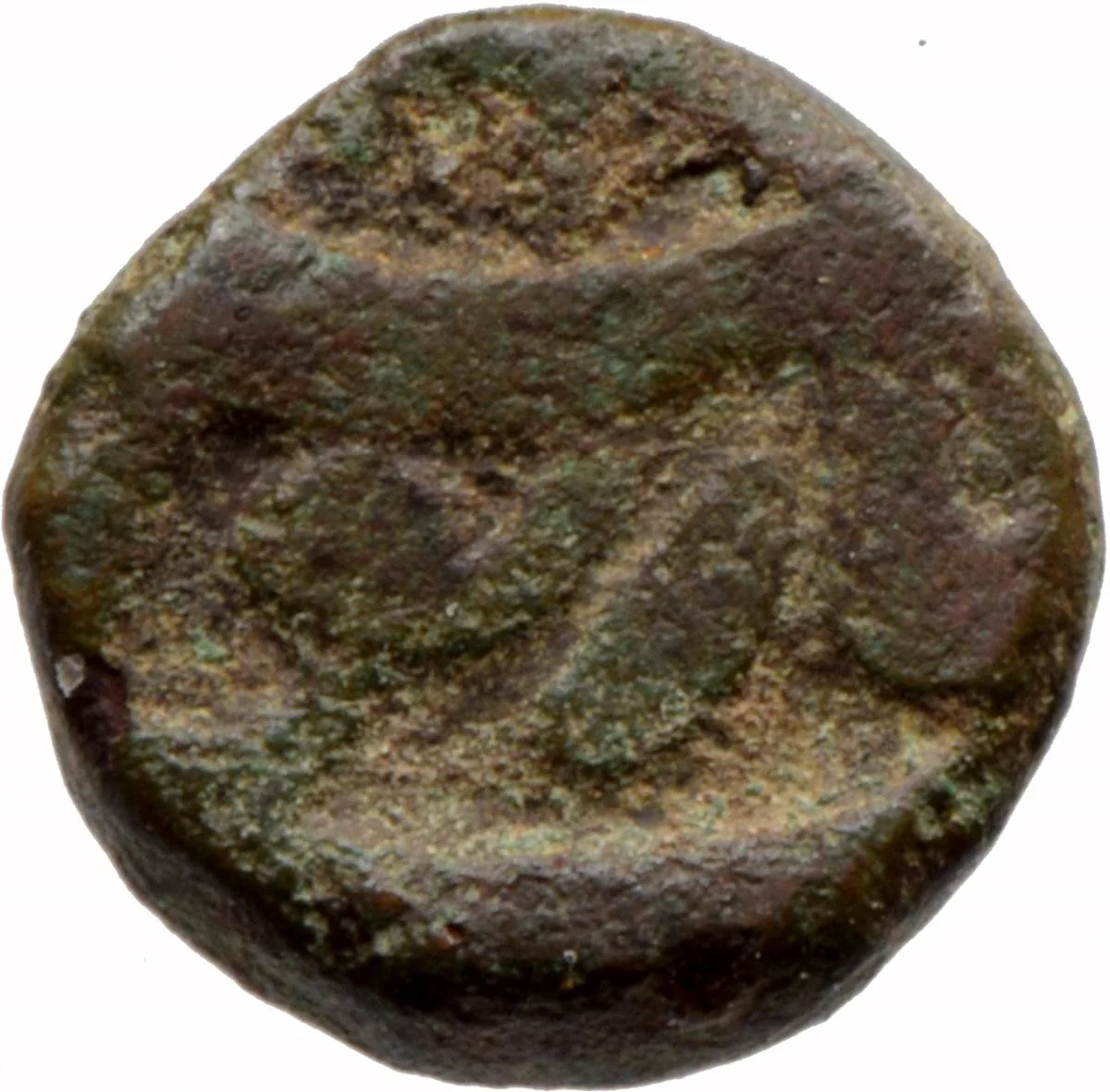
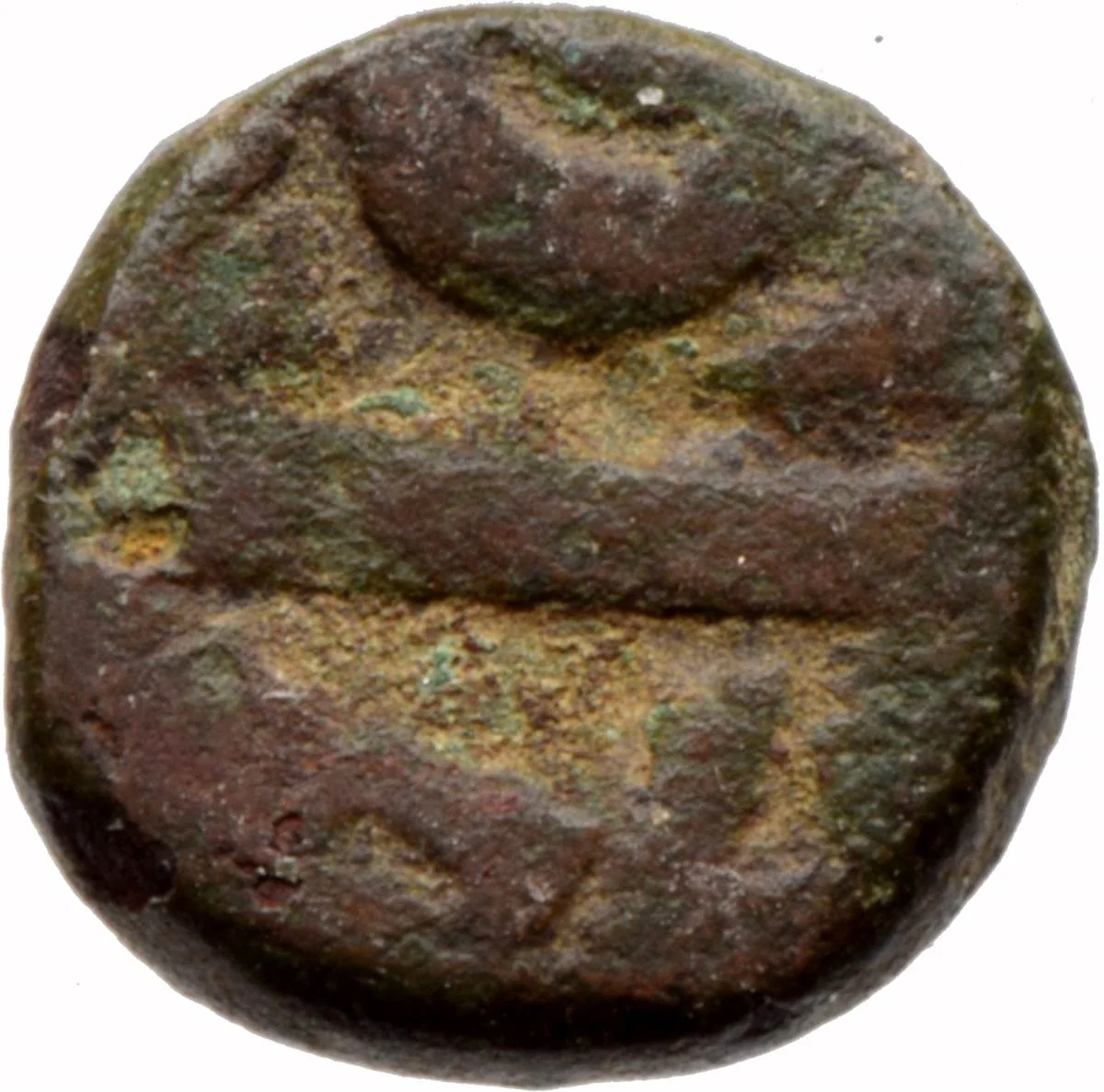
1 Damri = ⅛ Dam = 1⁄320 Rupee – Mughal Empire
India
Context
Years: 1037–1068
Country: India 
Issuer: Mughal Empire
Ruler: Shah Jahan
Currency:
(1540—1842)
Demonetized: Yes
Material
References
KM: #Click to copy to clipboard200.4
Numista: #188808
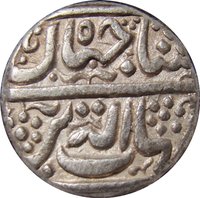
Obverse
Description:
Timurid
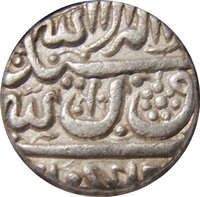
Reverse
Edge
Plain
Mints
| Name | Mark |
|---|---|
| Narnaul, India | — |
Mintings
| Year | Mint Mark | Mintage | Quality | Collection |
|---|---|---|---|---|
| — | — | — |
Historical background
The year 1037 AH (Anno Hegirae) corresponds to approximately 1627-1628 CE in the Gregorian calendar, a period marking the end of Emperor Jahangir's reign and the beginning of Shah Jahan's rule. The Mughal monetary system at this time was highly sophisticated and standardized, built upon the reforms of Emperor Akbar. The empire operated on a trimetallic system, but the primary currency for state revenue, high-value trade, and hoarding was the silver rupee. This coin, along with the gold mohur and the copper dam, formed the backbone of the economy, with fixed exchange rates intended to ensure stability.
The currency situation in 1037 AH was one of underlying strain masked by imperial grandeur. While the mints produced coins of remarkable purity and consistency, the empire faced a growing challenge from a global shortage of silver, particularly New World silver entering via trade with European companies. This put pressure on the silver rupee, the linchpin of the system. Furthermore, the costly military campaigns and architectural projects of the late Jahangir period, coupled with the political instability and war of succession that erupted upon his death in 1627, placed significant fiscal demands on the treasury, potentially leading to inflationary pressures on the copper dam, the currency of daily common use.
Despite these pressures, the system remained robust due to strong administrative control. Coins were struck in imperial mints (dar al-zarb) across the empire, bearing the name and titles of the reigning emperor, which immediately became a point of political significance during the succession. The ascension of Shah Jahan in 1628 would soon lead to a re-issue of currency with his regnal titles, reasserting monetary sovereignty. Thus, the currency of 1037 AH reflects a moment of transition, where a well-established and trusted monetary architecture faced the very real economic and political tests of a changing global economy and a transfer of power.
The currency situation in 1037 AH was one of underlying strain masked by imperial grandeur. While the mints produced coins of remarkable purity and consistency, the empire faced a growing challenge from a global shortage of silver, particularly New World silver entering via trade with European companies. This put pressure on the silver rupee, the linchpin of the system. Furthermore, the costly military campaigns and architectural projects of the late Jahangir period, coupled with the political instability and war of succession that erupted upon his death in 1627, placed significant fiscal demands on the treasury, potentially leading to inflationary pressures on the copper dam, the currency of daily common use.
Despite these pressures, the system remained robust due to strong administrative control. Coins were struck in imperial mints (dar al-zarb) across the empire, bearing the name and titles of the reigning emperor, which immediately became a point of political significance during the succession. The ascension of Shah Jahan in 1628 would soon lead to a re-issue of currency with his regnal titles, reasserting monetary sovereignty. Thus, the currency of 1037 AH reflects a moment of transition, where a well-established and trusted monetary architecture faced the very real economic and political tests of a changing global economy and a transfer of power.
✨ Legendary