

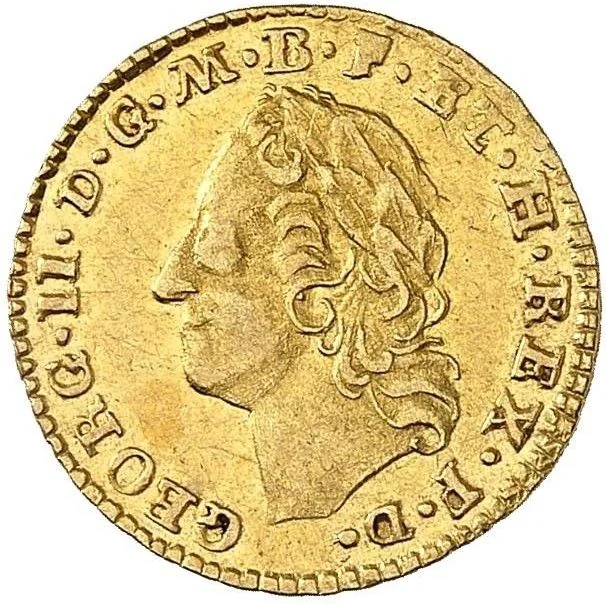
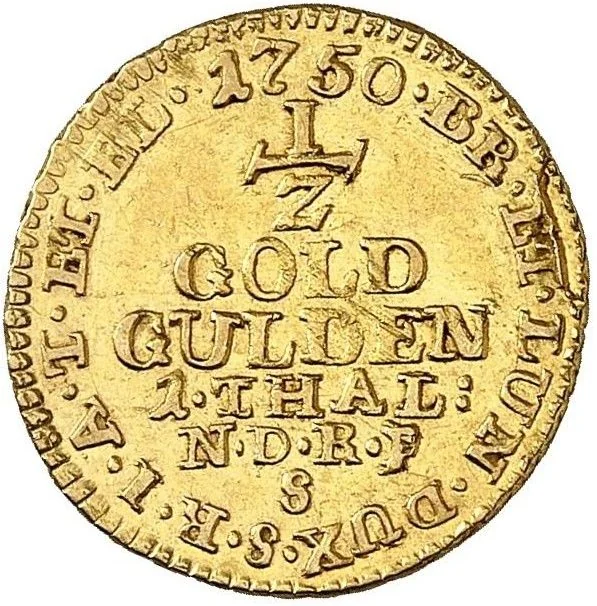
½ Goldgulden – Brunswick-Lüneburg-Calenberg-Hannover
Germany

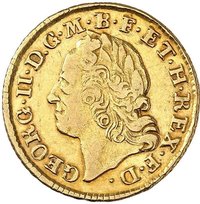
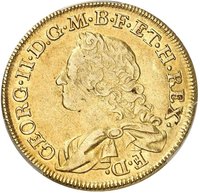
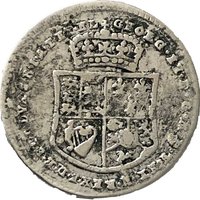
Obverse
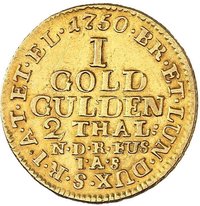
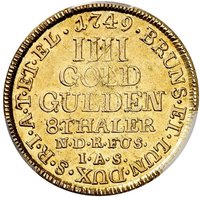
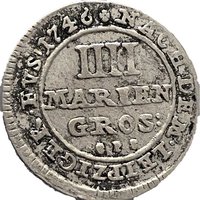
Reverse
Description:
Value, date
Inscription:
1/Z
GOLD
GULDEN
1 THAL
N D R FUS
I A S
BR ET LUN DUX S R I A T ET EL 1750
GOLD
GULDEN
1 THAL
N D R FUS
I A S
BR ET LUN DUX S R I A T ET EL 1750
Script: Latin
Edge
Mintings
| Year | Mint Mark | Mintage | Quality | Collection |
|---|---|---|---|---|
| 1749 | — | — | ||
| 1750 | — | — | ||
| 1754 | — | — | ||
| 1754 | S | — | ||
| 1756 | S | — |
Historical background
In 1749, the currency situation in the Duchy of Brunswick-Lüneburg, specifically the Principality of Calenberg (with its capital in Hanover), was characterized by significant complexity and ongoing reform. The region operated within the fragmented monetary system of the Holy Roman Empire, where numerous states issued their own coinage. Hanover itself used the Reichsthaler as a standard accounting unit, but daily commerce was conducted in a confusing array of physical coins: local Gute Groschen, Mariengroschen, and Pfennige, alongside circulating foreign coins from neighboring German states and the Netherlands. This proliferation of currencies of varying intrinsic metal values created chronic problems for trade, public accounting, and trust in the monetary system.
The year 1749 fell within a pivotal period of stabilization under the rule of Elector George II of Great Britain, who was also Duke of Brunswick-Lüneburg. His administration, particularly through his Hanoverian ministers, was actively working to impose order. A key reform was the official fixing of exchange rates between the myriad circulating coins and the Reichsthaler standard, attempting to curb the arbitrariness and fraud that hampered the economy. This effort was part of a broader trend among German states to create more predictable monetary zones, though full standardization remained elusive.
Furthermore, the currency situation was directly influenced by Hanover's political ties to Great Britain. Substantial British subsidies, paid to Hanover for its military support in the War of Austrian Succession (which had just ended in 1748), flowed into the principality. These payments, often in relatively stable foreign silver, injected liquidity and bolstered the treasury, providing a crucial resource for the state's monetary policies. Thus, in 1749, the currency landscape was one in which a legacy of fragmentation was being actively, though incompletely, challenged by top-down administrative reform and strengthened by international fiscal transfers.
The year 1749 fell within a pivotal period of stabilization under the rule of Elector George II of Great Britain, who was also Duke of Brunswick-Lüneburg. His administration, particularly through his Hanoverian ministers, was actively working to impose order. A key reform was the official fixing of exchange rates between the myriad circulating coins and the Reichsthaler standard, attempting to curb the arbitrariness and fraud that hampered the economy. This effort was part of a broader trend among German states to create more predictable monetary zones, though full standardization remained elusive.
Furthermore, the currency situation was directly influenced by Hanover's political ties to Great Britain. Substantial British subsidies, paid to Hanover for its military support in the War of Austrian Succession (which had just ended in 1748), flowed into the principality. These payments, often in relatively stable foreign silver, injected liquidity and bolstered the treasury, providing a crucial resource for the state's monetary policies. Thus, in 1749, the currency landscape was one in which a legacy of fragmentation was being actively, though incompletely, challenged by top-down administrative reform and strengthened by international fiscal transfers.
✨ Legendary