

2 skilling – Denmark
Add to wishlist
Denmark
Context
References
KM: #
Numista: #302274
Obverse
Description:
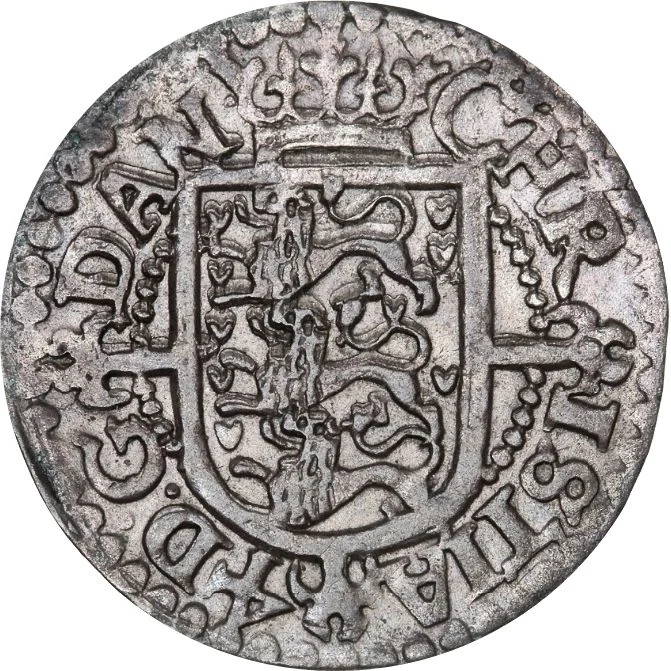
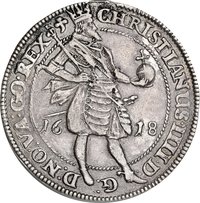
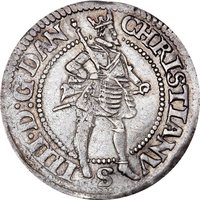
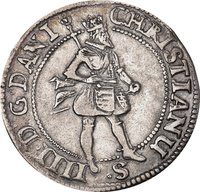
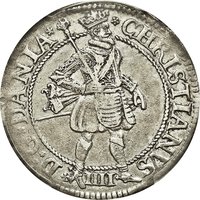
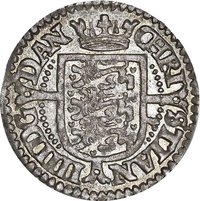
A crowned shield with Denmark’s arms sits above a long-armed cross, encircled by a beaded ring and an outer legend divided by the cross.
Inscription:
CHR | ISTIA(N) | 4·D:G | DAN
Script: Latin
Reverse
Description:
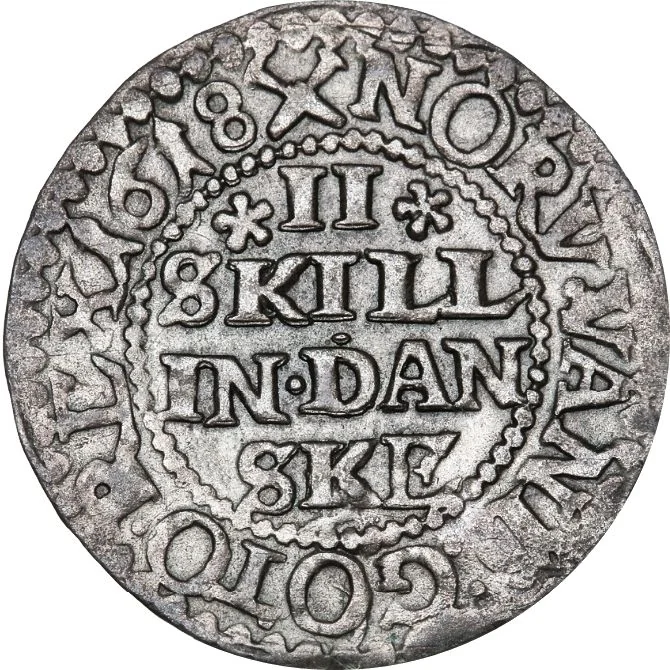
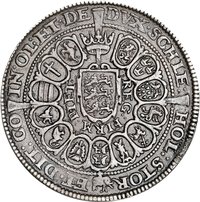
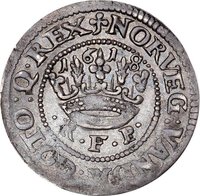
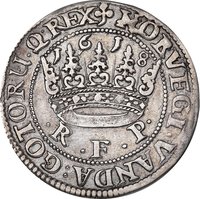
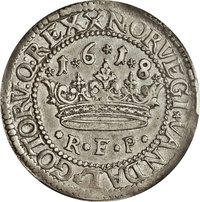
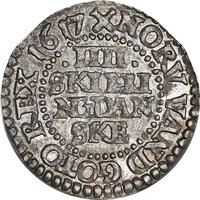
Beaded circle enclosing four-line inscription; surrounding legend with date and mintmark.
Inscription:
* II *
SKILL
IN · DAN
SKE
........................................................
NORV · VAND : GOTO · REX · 1618
SKILL
IN · DAN
SKE
........................................................
NORV · VAND : GOTO · REX · 1618
Script: Latin
Edge
Mints
| Name | Mark |
|---|---|
| Helsingør | (c) |
| Copenhagen | ☘ |
Mintings
| Year | Mint Mark | Mintage | Quality | Collection |
|---|---|---|---|---|
| 1618 | c | — | ||
| 1618 | ☘ | — |
Historical background
In 1618, Denmark was a significant European power, but its currency system was complex and strained. The kingdom operated on a bimetallic standard, with the primary units being the silver krone (crown) and the daler. However, a century of frequent warfare and the economic pressures of the Kalmar War (1611-1613) had depleted the royal treasury. To generate revenue, the state had repeatedly engaged in the debasement of its coinage, reducing the silver content in minted coins while officially maintaining their face value. This practice, while providing short-term fiscal relief, eroded public trust and sparked inflation, as people hoarded older, purer coins.
The situation was further complicated by the circulation of a vast array of foreign currencies within Danish borders. German, Dutch, and Baltic coins, particularly the ubiquitous Reichsthaler, were commonly used in trade, especially in the duchies of Schleswig and Holstein. This created a chaotic monetary environment where exchange rates fluctuated, and the value of money was uncertain. The state's attempts to fix official exchange rates often failed in practice, as market forces and the varying intrinsic metal values of the coins dictated real-world transactions.
King Christian IV, an ambitious ruler with expensive projects and military ambitions, faced a critical dilemma. The need for sound currency to fund his plans for warfare and building (which would culminate in his intervention in the Thirty Years' War in 1625) clashed with the immediate fiscal crisis. The year 1618 thus represents a point of mounting monetary pressure, setting the stage for subsequent, more drastic attempts at currency reform and state-controlled banking in the following decades, as Denmark struggled to stabilize its economy and finance its imperial aspirations.
The situation was further complicated by the circulation of a vast array of foreign currencies within Danish borders. German, Dutch, and Baltic coins, particularly the ubiquitous Reichsthaler, were commonly used in trade, especially in the duchies of Schleswig and Holstein. This created a chaotic monetary environment where exchange rates fluctuated, and the value of money was uncertain. The state's attempts to fix official exchange rates often failed in practice, as market forces and the varying intrinsic metal values of the coins dictated real-world transactions.
King Christian IV, an ambitious ruler with expensive projects and military ambitions, faced a critical dilemma. The need for sound currency to fund his plans for warfare and building (which would culminate in his intervention in the Thirty Years' War in 1625) clashed with the immediate fiscal crisis. The year 1618 thus represents a point of mounting monetary pressure, setting the stage for subsequent, more drastic attempts at currency reform and state-controlled banking in the following decades, as Denmark struggled to stabilize its economy and finance its imperial aspirations.
Series: 1618 Denmark circulation coins

💎 Extremely Rare