

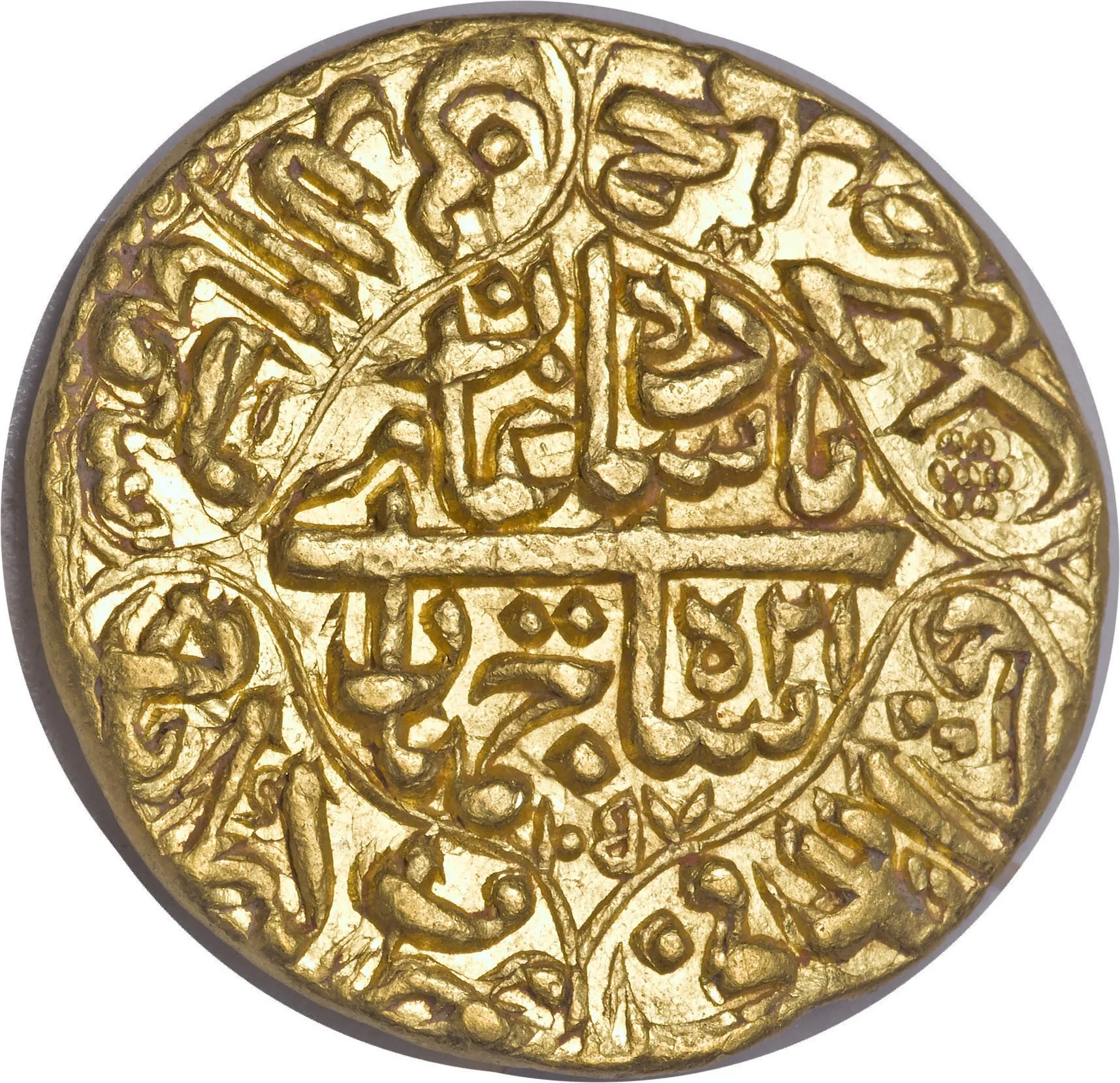
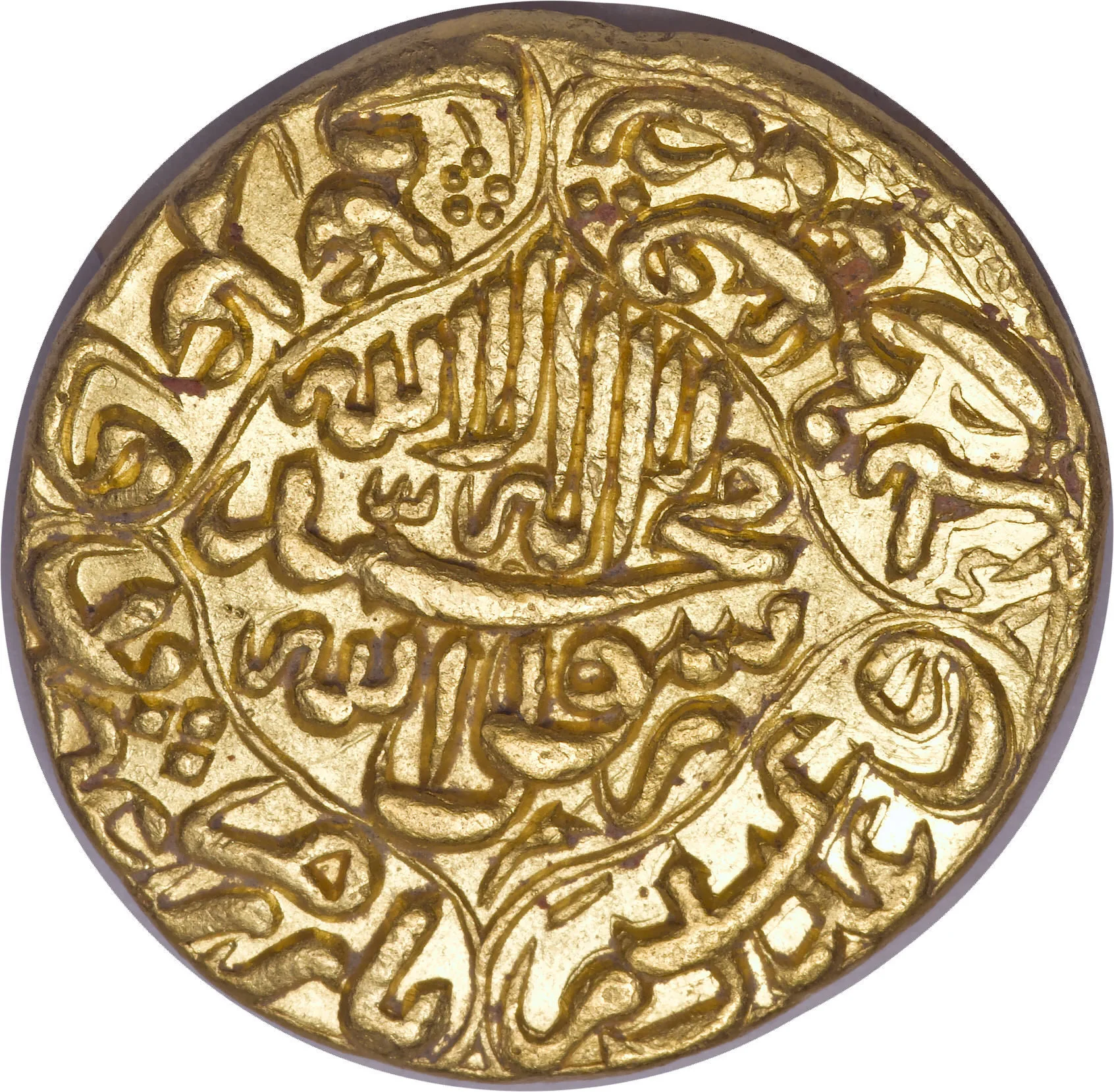
1 Mohur – Mughal Empire
India
Context
Years: 1634–1654
Country: India 
Issuer: Mughal Empire
Ruler: Shah Jahan
Currency:
(1540—1842)
Demonetized: Yes
References
KM: #Click to copy to clipboard258.1
Numista: #30181
Value
Bullion value: $1797.98
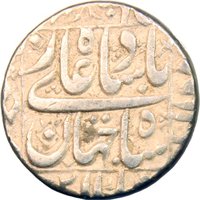
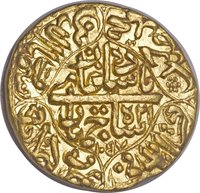
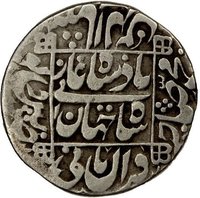
Obverse
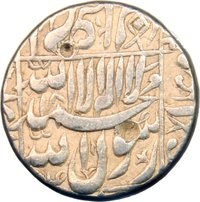
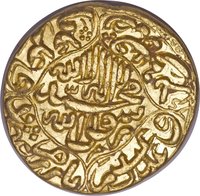
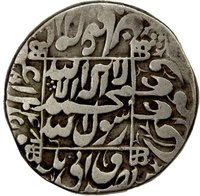
Reverse
Edge
Mintings
| Year | Mint Mark | Mintage | Quality | Collection |
|---|---|---|---|---|
| 1634 | — | — | ||
| 1635 | — | — | ||
| 1636 | — | — | ||
| 1637 | — | — | ||
| 1638 | — | — | ||
| 1639 | — | — | ||
| 1640 | — | — | ||
| 1641 | — | — | ||
| 1642 | — | — | ||
| 1643 | — | — | ||
| 1643 | — | — | ||
| 1644 | — | — | ||
| 1645 | — | — | ||
| 1647 | — | — | ||
| 1649 | — | — | ||
| 1650 | — | — | ||
| 1651 | — | — | ||
| 1652 | — | — | ||
| 1654 | — | — |
Historical background
In 1634, the Mughal Empire's currency system under Emperor Shah Jahan was a sophisticated and highly regulated bimetallic standard, centred on the silver rupee and the gold mohur. The primary unit, the rupee, was a remarkably pure coin, containing approximately 97% fine silver, and its weight and fineness were meticulously maintained across imperial mints (dar al-zarb). This consistency, enforced by strict imperial ordinances, made the Mughal rupee a trusted and dominant currency not only within the empire but also in wider Indian Ocean trade. The gold mohur, while officially valued at nine silver rupees, often fluctuated in market value based on the relative inflow of precious metals.
The stability of this system was underpinned by the empire's immense wealth and efficient administration. A steady stream of silver, primarily from the New World via European trade, flowed into India in exchange for textiles and spices, ensuring ample bullion for coinage. The empire's extensive network of mints, located in provincial capitals and major trading cities, standardized production. Revenue collection, a massive logistical undertaking, was conducted almost exclusively in cash, necessitating a vast and reliable supply of coinage to facilitate both state finance and a burgeoning commercial economy.
However, this apparent stability in 1634 existed alongside underlying complexities. The system was not monolithic; alongside imperial coins, older regional currencies and foreign coins like the Spanish real circulated, especially in port cities. Furthermore, the high purity of the coinage made it a target for clipping and melting, while the official vs. market value of gold created a dynamic exchange environment. Thus, while the currency system in 1634 was a pillar of Mughal power and economic integration, it operated within a dynamic and sometimes precarious balance of global bullion flows and internal market forces.
The stability of this system was underpinned by the empire's immense wealth and efficient administration. A steady stream of silver, primarily from the New World via European trade, flowed into India in exchange for textiles and spices, ensuring ample bullion for coinage. The empire's extensive network of mints, located in provincial capitals and major trading cities, standardized production. Revenue collection, a massive logistical undertaking, was conducted almost exclusively in cash, necessitating a vast and reliable supply of coinage to facilitate both state finance and a burgeoning commercial economy.
However, this apparent stability in 1634 existed alongside underlying complexities. The system was not monolithic; alongside imperial coins, older regional currencies and foreign coins like the Spanish real circulated, especially in port cities. Furthermore, the high purity of the coinage made it a target for clipping and melting, while the official vs. market value of gold created a dynamic exchange environment. Thus, while the currency system in 1634 was a pillar of Mughal power and economic integration, it operated within a dynamic and sometimes precarious balance of global bullion flows and internal market forces.
✨ Legendary