

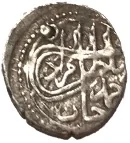
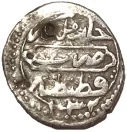
1 Beshlik – Ottoman Empire
Turkey
Context
Year: 1623
Islamic (Hijri) Year: 1032
Country: Turkey 
Issuer: Ottoman Empire
Ruler: Murad IV
Currency:
(1327—1687)
Demonetized: Yes
Material
References
KM: #Click to copy to clipboard50.3
Numista: #297584
Value
Bullion value: $3.32
Mints
| Name | Mark |
|---|---|
| Constantinople | — |
Mintings
| Year | Mint Mark | Mintage | Quality | Collection |
|---|---|---|---|---|
| 1623 | — | — |
Historical background
In 1623, the Ottoman Empire was grappling with a severe and protracted currency crisis, often termed the "Great Debasement." The core of the problem was the drastic reduction in the silver content of the primary coin, the akçe. Over the preceding decades, to finance near-constant warfare on multiple fronts (notably against the Safavids and the Habsburgs) and to cover budgetary shortfalls, the state had repeatedly debased the coinage. By 1623, the akçe contained less than half the silver it had held a century earlier, leading to rampant inflation, a collapse in public confidence, and economic turmoil.
This monetary instability had profound consequences. The fixed salaries of the state's crucial military and administrative personnel, particularly the Janissaries and sipahi cavalry, were paid in devalued coin, eroding their purchasing power and sparking frequent and violent rebellions in Istanbul. Simultaneously, the disparity between the debased Ottoman coins and higher-quality European silver thalers (which circulated widely within the Empire) disrupted both internal and long-distance trade. Merchants and tax farmers hoarded good coin or used foreign currency, further draining silver from the state treasury and exacerbating the shortage of sound money.
Sultan Murad IV, who ascended the throne in 1623 as a child, inherited this chaotic financial landscape. Effective power lay with his mother, Kösem Sultan, and competing factions at court, making decisive monetary reform initially impossible. The crisis was symptomatic of deeper structural issues, including a shift from a land-based military economy to a cash-based one, and the disruptive impact of New World silver on global prices. The currency situation of 1623 thus represented not merely a fiscal emergency, but a fundamental challenge to Ottoman economic and political stability at the dawn of a turbulent century.
This monetary instability had profound consequences. The fixed salaries of the state's crucial military and administrative personnel, particularly the Janissaries and sipahi cavalry, were paid in devalued coin, eroding their purchasing power and sparking frequent and violent rebellions in Istanbul. Simultaneously, the disparity between the debased Ottoman coins and higher-quality European silver thalers (which circulated widely within the Empire) disrupted both internal and long-distance trade. Merchants and tax farmers hoarded good coin or used foreign currency, further draining silver from the state treasury and exacerbating the shortage of sound money.
Sultan Murad IV, who ascended the throne in 1623 as a child, inherited this chaotic financial landscape. Effective power lay with his mother, Kösem Sultan, and competing factions at court, making decisive monetary reform initially impossible. The crisis was symptomatic of deeper structural issues, including a shift from a land-based military economy to a cash-based one, and the disruptive impact of New World silver on global prices. The currency situation of 1623 thus represented not merely a fiscal emergency, but a fundamental challenge to Ottoman economic and political stability at the dawn of a turbulent century.

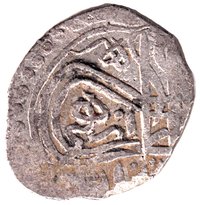
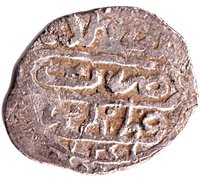
✨ Legendary