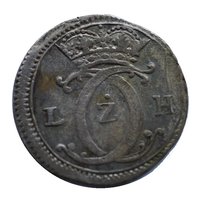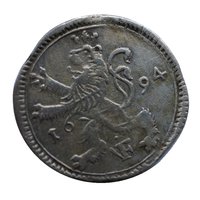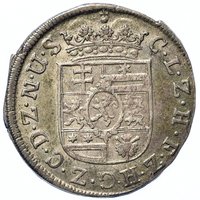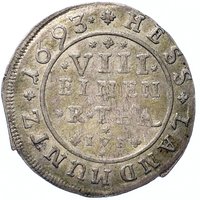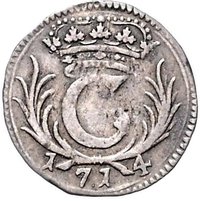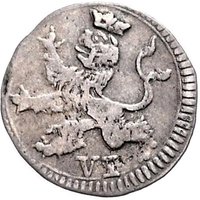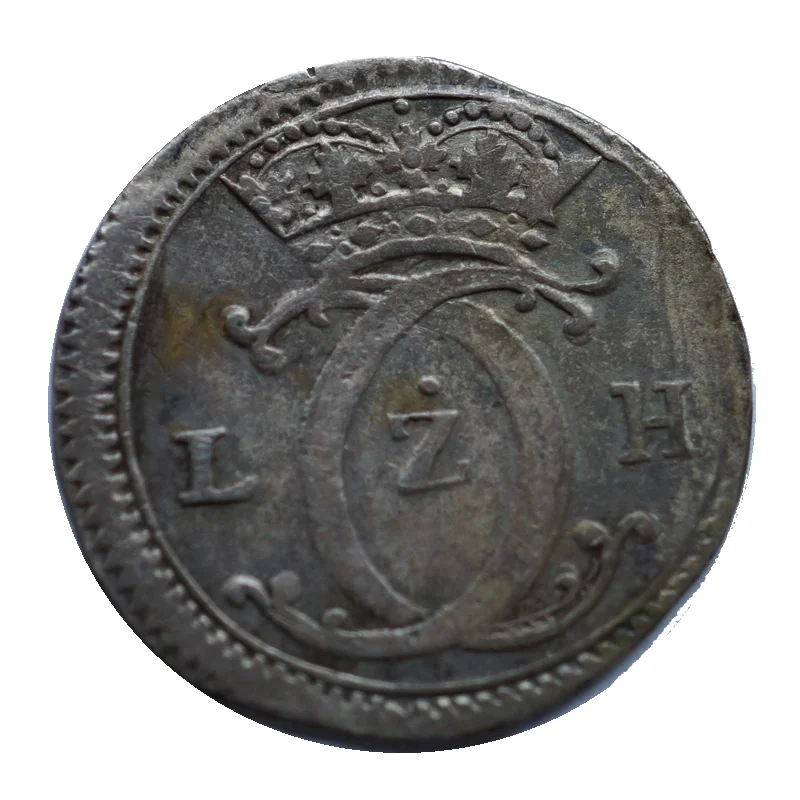
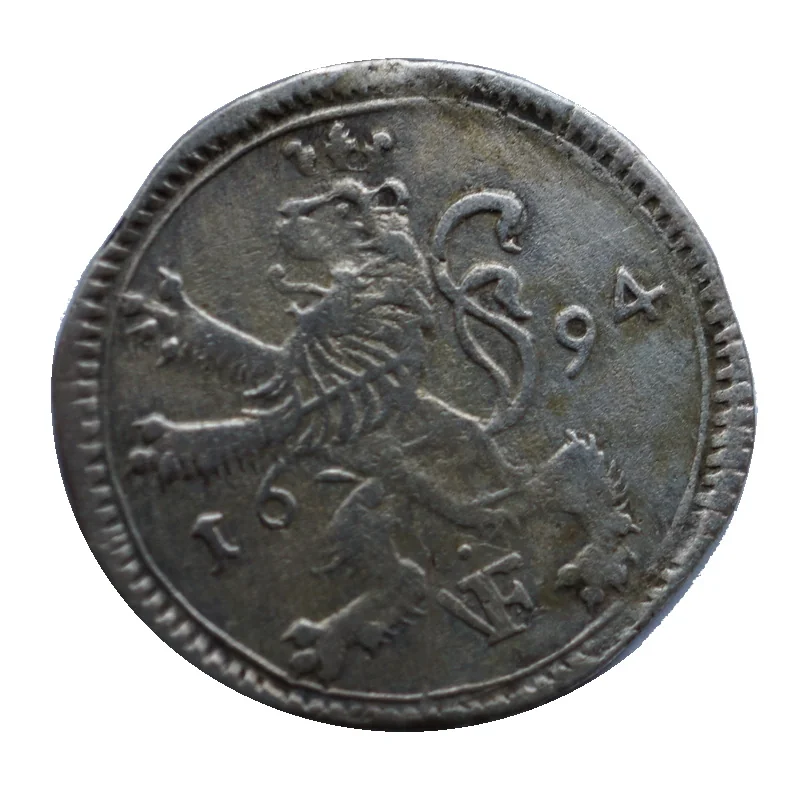
In 1694, the Landgraviate of Hesse-Cassel was navigating a complex and challenging currency situation, a legacy of the wider monetary chaos gripping the Holy Roman Empire. The region operated within a fragmented system where numerous states minted their own coins, leading to a proliferation of currencies of varying silver content and value. This "Kipper- und Wipperzeit" (Clipping and Swinging Period) of the early 17th century had left a lasting atmosphere of distrust, as debased coins circulated alongside older, purer ones, causing inflation and complicating trade.
Landgrave Charles I, who ruled until 1730, faced significant fiscal pressures, particularly from maintaining a large standing army—a key source of the landgraviate's political influence and future income through the renting of troops. To meet these expenses, the minting of coinage was often seen as a direct source of sovereign revenue. While the worst excesses of debasement were past, the temptation to generate funds by altering the precious metal content or by issuing lighter coins remained a constant tension, threatening the stability of Hesse-Cassel's own currency.
Consequently, the monetary landscape in 1694 was one of precarious balance. Authorities grappled with enforcing exchange rates between countless circulating coins, including
Taler,
Gulden, and
Kreuzer, while trying to maintain the integrity of their own issues to ensure both domestic economic function and smooth trade with neighboring territories. The situation demanded careful management to prevent capital flight or a loss of public confidence, as the landgraviate's financial health and military ambitions depended heavily on a functional, if not entirely stable, currency system.