

6 Kreuzers – Hungary
Hungary
Context

Material
Diameter: 26.2 mm
Weight: 3.1 g
Thickness: 1.1 mm
Shape: Round
Standard: Gold tenth ounce
Alignment: Medal alignment
flip
References
KM: #Click to copy to clipboard164
Numista: #27571
Obverse
Description:
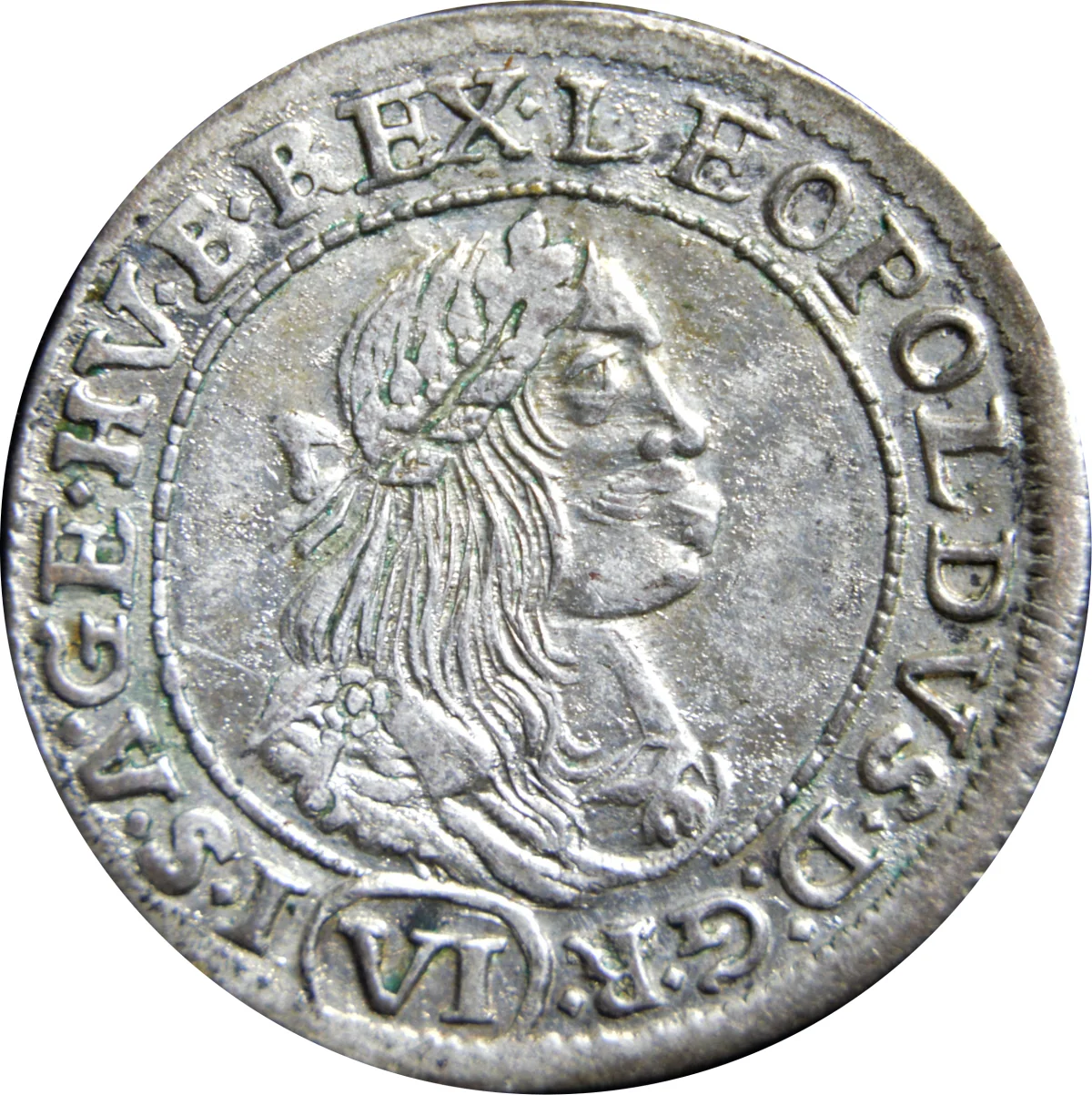
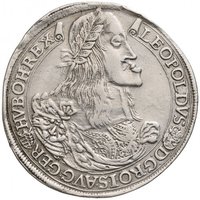
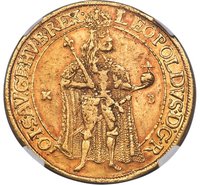
Small right-facing laureate bust in pearl circle. Value (VI) below splits legend.
Inscription:
LEOPOLDVS · D · G · R · (VI) I · S · A · GE · HV · B · REX ·
Script: Latin
Reverse
Description:
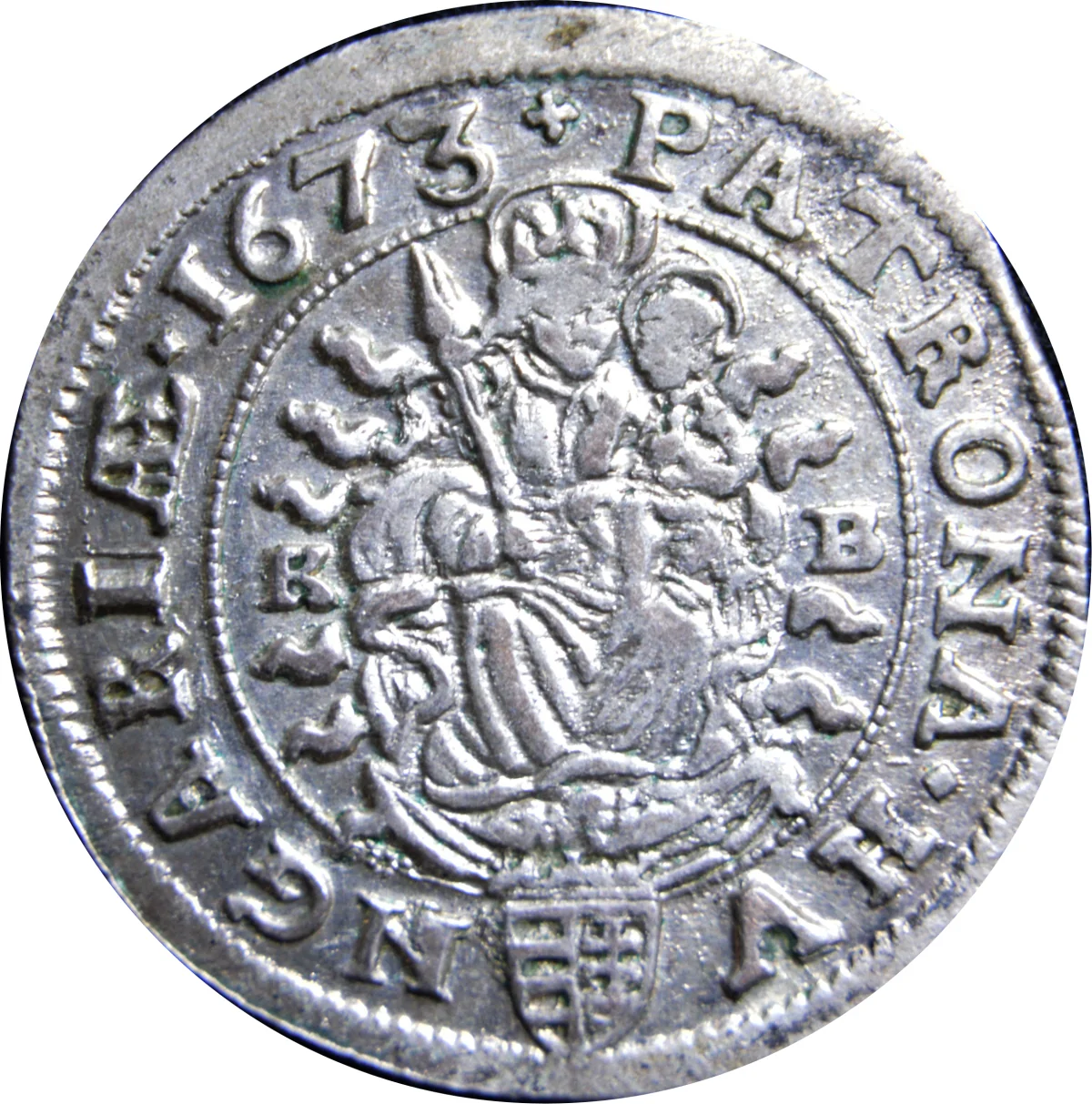
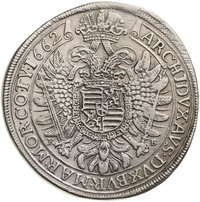
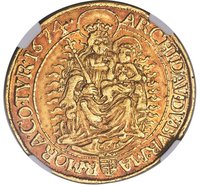
Radiant Madonna and child flank the mint mark "K B" within a circle. A small Hungarian shield splits the lower legend, with the date at the inscription's end.
Inscription:
PATRONA . HVNGARIAE 1673 +
K B
K B
Script: Latin
Edge
Plain
Mints
| Name | Mark |
|---|---|
| Kremnica | KB |
Mintings
Historical background
In 1667, Hungary’s currency situation was chaotic and deeply unstable, a direct legacy of the ongoing wars against the Ottoman Empire and the internal strife of the previous decades. The Kingdom of Hungary was divided into three parts: the Ottoman-occupied centre, the Principality of Transylvania (an Ottoman vassal), and Royal Hungary under Habsburg rule. This fragmentation meant there was no unified monetary policy. The primary circulating coins were the silver tallér (thaler) and the fractional krajcár (kreuzer), but their value and purity were highly inconsistent due to rampant debasement.
The Habsburg authorities in Royal Hungary, facing immense military expenses, repeatedly degraded the coinage to fund their campaigns. They issued lightweight and low-silver content coins, particularly the copper and billon (base silver) krajcár, flooding the market. This led to severe inflation and Gresham’s Law in action, where "bad money drives out good." People hoarded the older, full-value silver coins, further disrupting everyday commerce. The situation was exacerbated by a flood of even worse counterfeit and clipped coins from neighbouring territories and Ottoman mints, creating a bewildering and untrustworthy monetary environment.
Consequently, prices were volatile and trade was hampered, as merchants and peasants alike struggled to assess the real value of the coins in their hands. This monetary crisis reflected the broader devastation of the country—depopulation, ruined economies, and the constant strain of being a military frontier. While there were attempts at reform, effective stabilization would only begin decades later, after the Ottomans were expelled, highlighting how the coinage of 1667 served as a stark symbol of a fractured and war-weary land.
The Habsburg authorities in Royal Hungary, facing immense military expenses, repeatedly degraded the coinage to fund their campaigns. They issued lightweight and low-silver content coins, particularly the copper and billon (base silver) krajcár, flooding the market. This led to severe inflation and Gresham’s Law in action, where "bad money drives out good." People hoarded the older, full-value silver coins, further disrupting everyday commerce. The situation was exacerbated by a flood of even worse counterfeit and clipped coins from neighbouring territories and Ottoman mints, creating a bewildering and untrustworthy monetary environment.
Consequently, prices were volatile and trade was hampered, as merchants and peasants alike struggled to assess the real value of the coins in their hands. This monetary crisis reflected the broader devastation of the country—depopulation, ruined economies, and the constant strain of being a military frontier. While there were attempts at reform, effective stabilization would only begin decades later, after the Ottomans were expelled, highlighting how the coinage of 1667 served as a stark symbol of a fractured and war-weary land.
🌟 Uncommon