

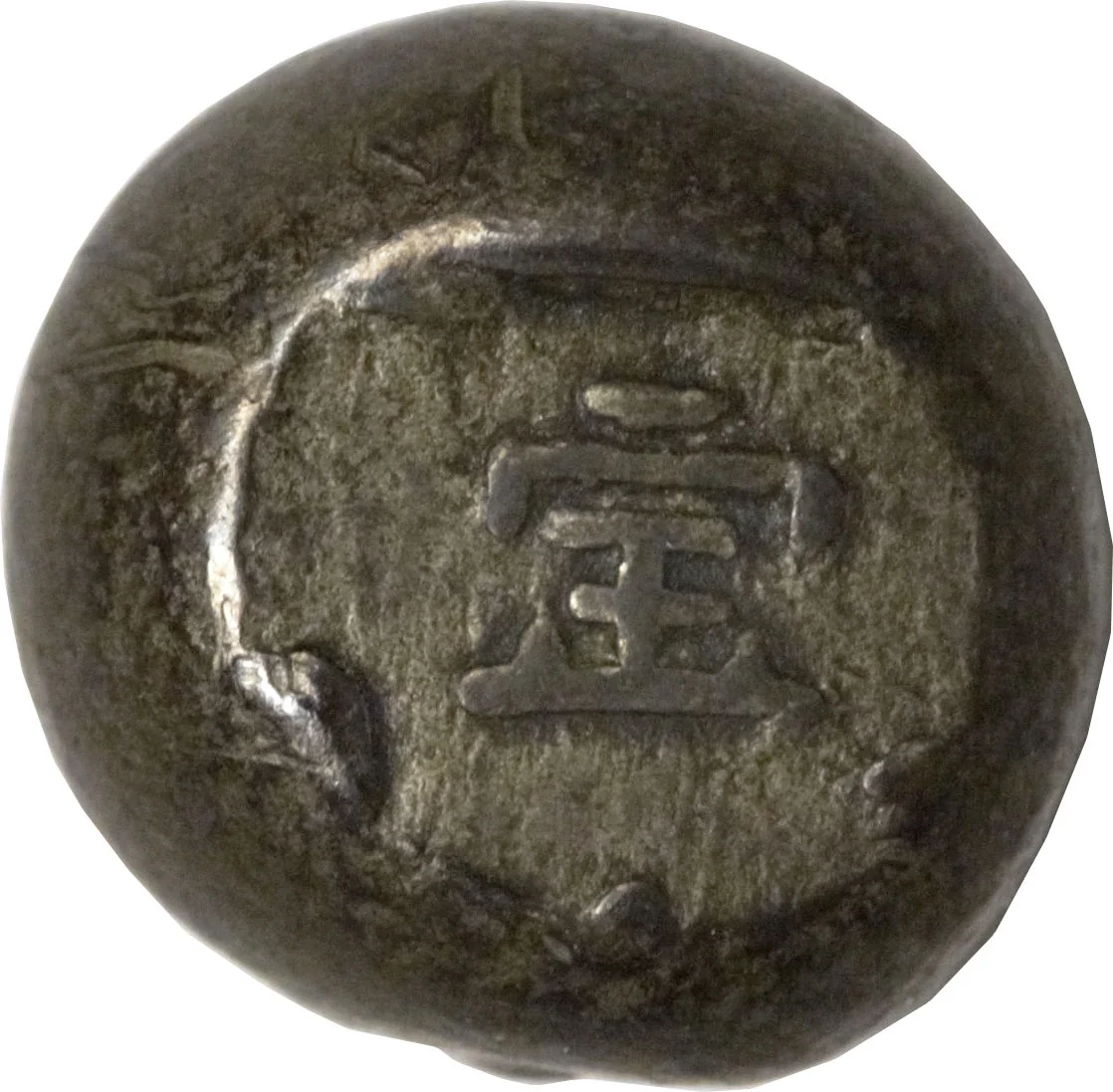

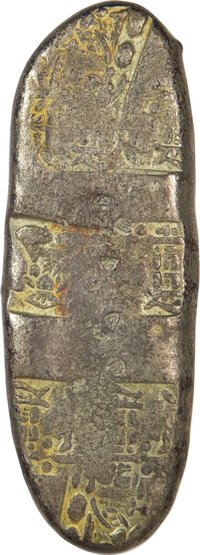
Obverse
Description:
Yotsu-hō calligraphic style marker.
Inscription:
宝
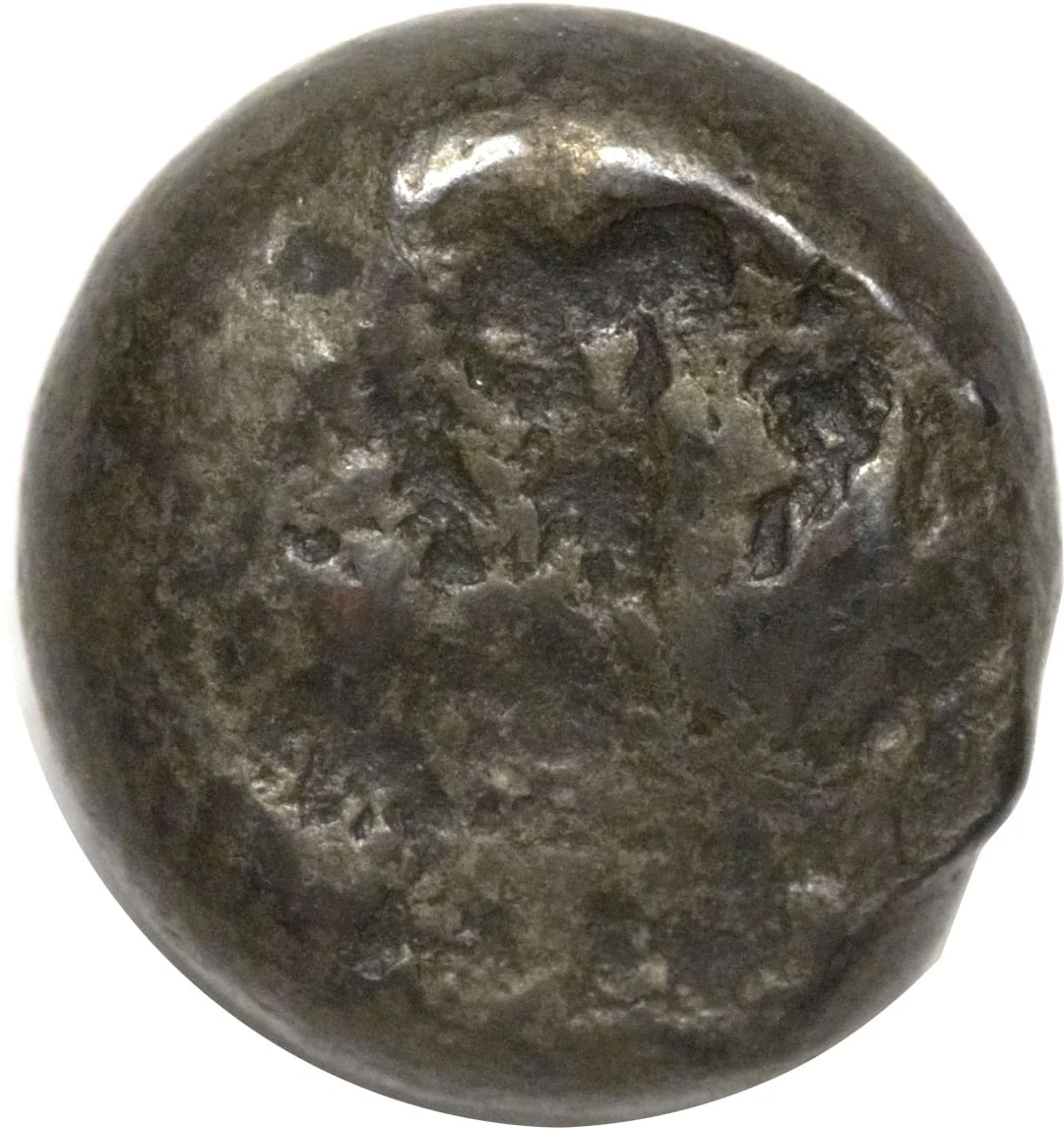
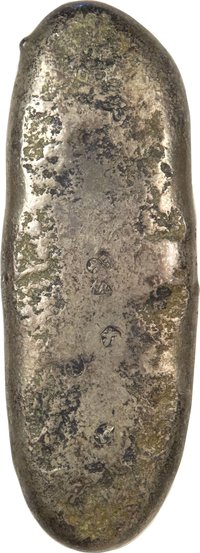
Reverse
Description:
Blank.
Edge
Mints
| Name | Mark |
|---|---|
| Ginza, Edo | — |
Mintings
| Year | Mint Mark | Mintage | Quality | Collection |
|---|---|---|---|---|
| 1711 | — | — |
Historical background
In 1711, Japan was in the midst of the Tokugawa shogunate's "Great Peace," but its monetary system was under significant strain. The era operated on a complex, tri-metallic system of gold ryō (for large domains and the shogunate), silver momme (for merchant trade, weighed not minted), and copper mon (for everyday use). However, decades of debasement had severely eroded trust. Following lavish spending by the fifth shogun, Tokugawa Tsunayoshi, his successor Tokugawa Ienobu and chief advisor Arai Hakuseki had just initiated a critical policy reversal in 1710-1711, moving from debasement to revaluation.
This shift was a direct response to a severe financial crisis. Previous debasements, which mixed precious metals with base metals to create more coinage, had caused price inflation, a drain of high-quality old coins (hoarded or exported), and a loss of government credibility. Arai Hakuseki, a Confucian scholar, argued this debasement was morally corrupt and economically destructive. His reform, the Shotoku Recoinage, sought to restore the intrinsic metal value and prestige of the currency by increasing the gold and silver content in new coins, effectively attempting a deflationary policy.
The immediate consequences in 1711 were profound but mixed. While the move aimed to restore fiscal stability and samurai stipends' purchasing power, it sharply contracted the money supply during a period of growing commercial activity. This created deflationary pressures and liquidity problems for the merchant class and daimyō (feudal lords) accustomed to easy credit. Thus, Japan in 1711 stood at a pivotal point, attempting to restore monetary integrity through revaluation, but in doing so, it risked stifling the very market economy that had flourished during the Genroku era (1688-1704), setting the stage for future economic challenges.
This shift was a direct response to a severe financial crisis. Previous debasements, which mixed precious metals with base metals to create more coinage, had caused price inflation, a drain of high-quality old coins (hoarded or exported), and a loss of government credibility. Arai Hakuseki, a Confucian scholar, argued this debasement was morally corrupt and economically destructive. His reform, the Shotoku Recoinage, sought to restore the intrinsic metal value and prestige of the currency by increasing the gold and silver content in new coins, effectively attempting a deflationary policy.
The immediate consequences in 1711 were profound but mixed. While the move aimed to restore fiscal stability and samurai stipends' purchasing power, it sharply contracted the money supply during a period of growing commercial activity. This created deflationary pressures and liquidity problems for the merchant class and daimyō (feudal lords) accustomed to easy credit. Thus, Japan in 1711 stood at a pivotal point, attempting to restore monetary integrity through revaluation, but in doing so, it risked stifling the very market economy that had flourished during the Genroku era (1688-1704), setting the stage for future economic challenges.
✨ Legendary