

Japan
Context
References
KM: #Click to copy to clipboard61
Numista: #27242
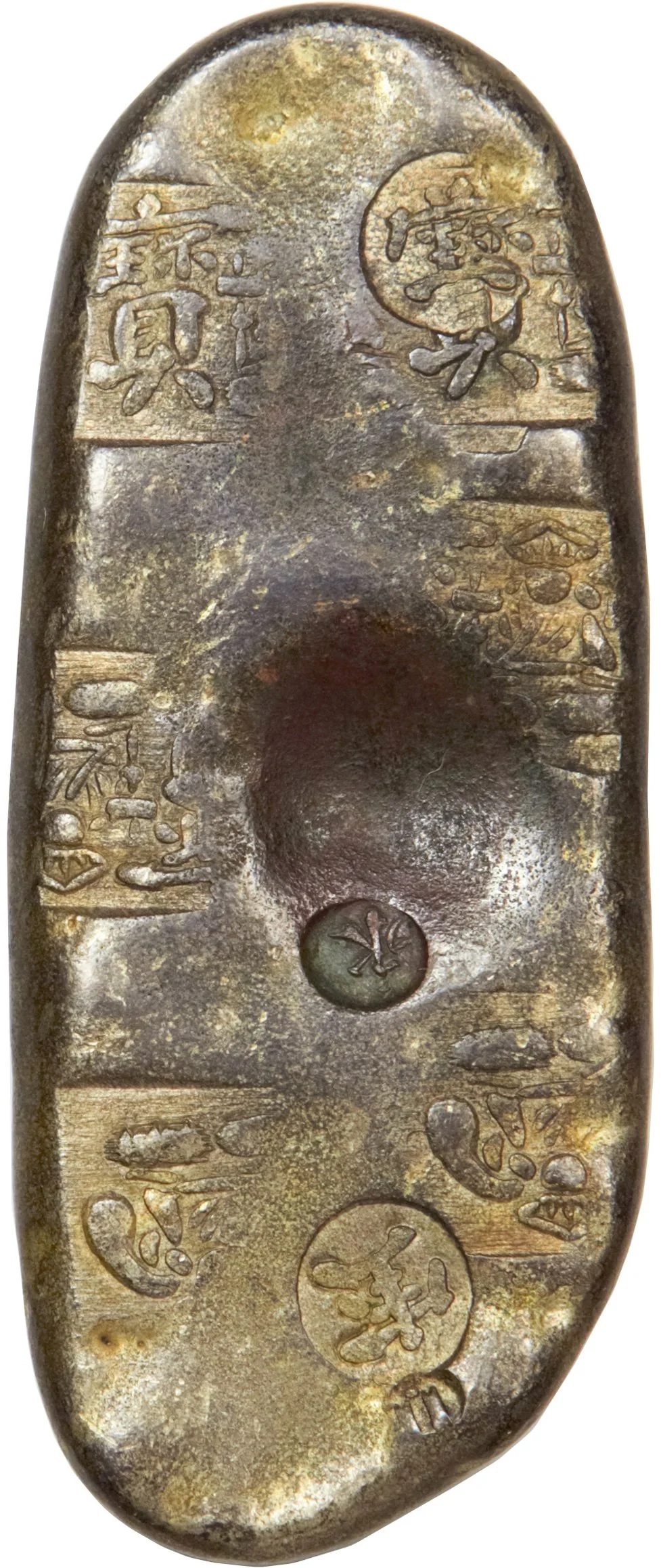
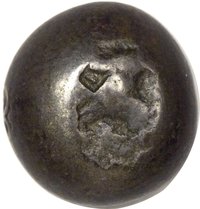
Obverse
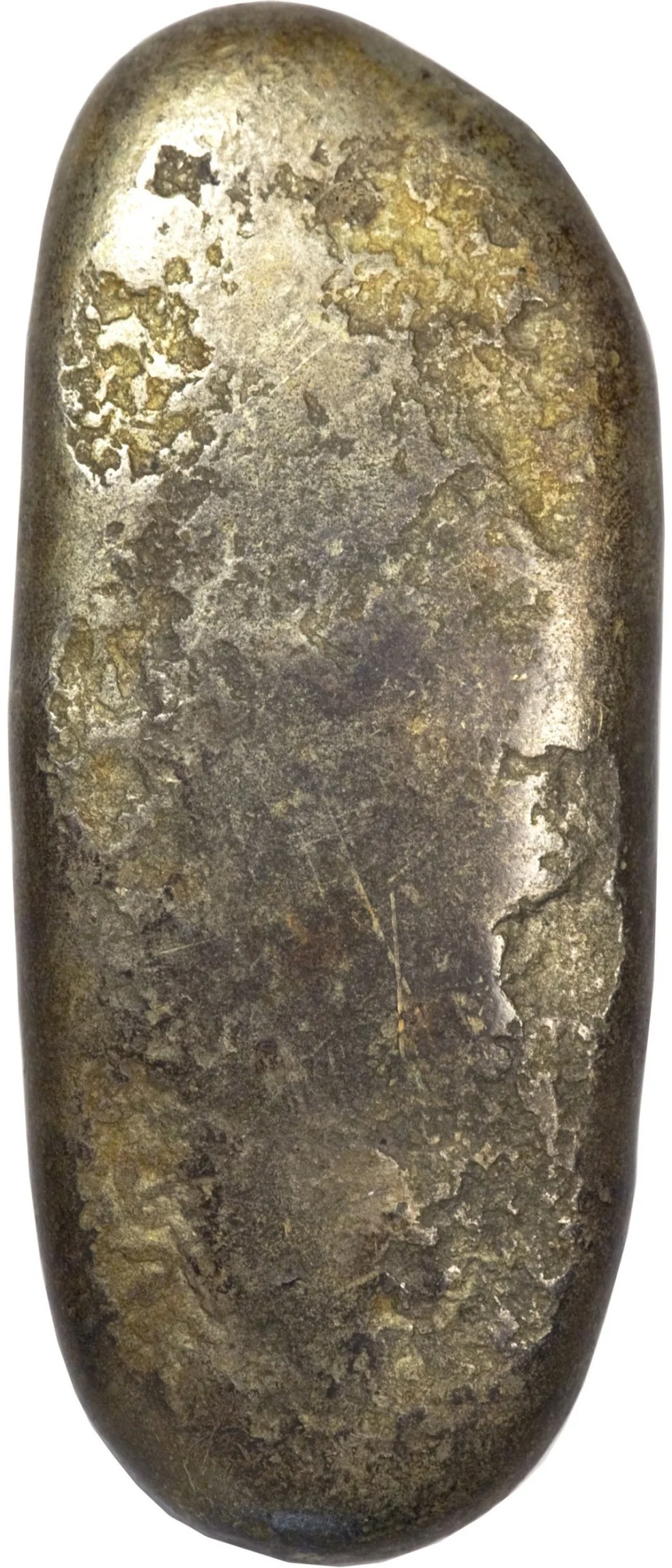
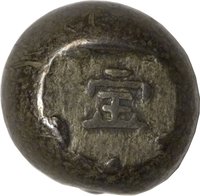
Reverse
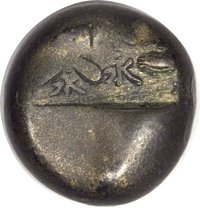
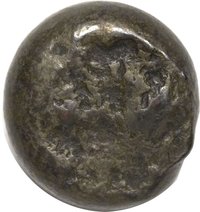
Edge
Mintings
| Year | Mint Mark | Mintage | Quality | Collection |
|---|---|---|---|---|
| 1710 | — | — |
Historical background
By 1710, Japan's currency system, established by the Tokugawa shogunate, was a complex and fragile tri-metallic system of gold, silver, and copper coins. The government minted gold koban and ichibu coins and copper mon coins, while silver currency primarily took the form of minted ingots (chōgin) and loose silver measured by weight in the momme unit. This system was complicated by regional differences; gold was dominant in the east (Edo), while silver was standard in the west (Osaka), requiring constant exchange. However, a century of peace and economic growth had led to a severe shortage of precious metals, prompting the shogunate to repeatedly debase the coinage to fund its expenditures, eroding public trust.
The immediate backdrop to 1710 was the catastrophic Genroku recoinage (1695-1710) orchestrated by the shogun's advisor, Arai Hakuseki. To cover the lavish spending of the previous shogun, Tsunayoshi, the government drastically reduced the gold and silver content of new coins while giving them the same face value as the old, purer coins. This created a flood of inferior currency, causing severe inflation, market confusion, and a loss of confidence as the real value of coins plummeted. By 1710, the recoinage was concluding, but its damaging effects—rising prices for rice and goods, and the hoarding of old, purer coins—were acutely felt across all levels of society.
Recognizing the crisis, Arai Hakuseki, now in a position of greater influence, was actively advocating for a return to sound money. He argued that the debasement had impoverished the samurai class (who lived on fixed stipends) and destabilized the economy. Consequently, 1710 stands at a pivotal point just before a major policy reversal. The following year, in 1711, the shogunate would initiate the Hōei recoinage, which aimed to restore the precious metal content of the coins, a deflationary policy based on Hakuseki's Confucian belief in the intrinsic value of currency. Thus, the currency situation in 1710 was one of turmoil and transition, caught between the inflationary aftermath of the Genroku debasement and the impending shift toward a stricter, metallic standard.
The immediate backdrop to 1710 was the catastrophic Genroku recoinage (1695-1710) orchestrated by the shogun's advisor, Arai Hakuseki. To cover the lavish spending of the previous shogun, Tsunayoshi, the government drastically reduced the gold and silver content of new coins while giving them the same face value as the old, purer coins. This created a flood of inferior currency, causing severe inflation, market confusion, and a loss of confidence as the real value of coins plummeted. By 1710, the recoinage was concluding, but its damaging effects—rising prices for rice and goods, and the hoarding of old, purer coins—were acutely felt across all levels of society.
Recognizing the crisis, Arai Hakuseki, now in a position of greater influence, was actively advocating for a return to sound money. He argued that the debasement had impoverished the samurai class (who lived on fixed stipends) and destabilized the economy. Consequently, 1710 stands at a pivotal point just before a major policy reversal. The following year, in 1711, the shogunate would initiate the Hōei recoinage, which aimed to restore the precious metal content of the coins, a deflationary policy based on Hakuseki's Confucian belief in the intrinsic value of currency. Thus, the currency situation in 1710 was one of turmoil and transition, caught between the inflationary aftermath of the Genroku debasement and the impending shift toward a stricter, metallic standard.
✨ Legendary