

2 hellers – Aachen
Add to wishlist
Germany
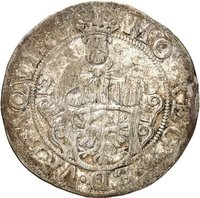
Obverse
Description:
Eagle right dividing date.
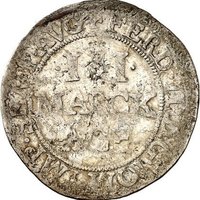
Reverse
Description:
Legend
Inscription:
MO VRBIS AQVENSIS
II
II
Edge
Mintings
| Year | Mint Mark | Mintage | Quality | Collection |
|---|---|---|---|---|
| 1622 | — | — | ||
| 1638 | — | — |
Historical background
In 1622, the Free Imperial City of Aachen, like much of the Holy Roman Empire, was grappling with a severe monetary crisis known as the Kipper- und Wipperzeit. This period, which peaked during the early stages of the Thirty Years' War, was characterized by the deliberate debasement of coinage. Ruling authorities, including city councils and territorial princes, would mint new coins with reduced precious metal content while officially valuing them at par with older, full-weight coins. The profit from this seigniorage was desperately sought to finance military expenditures and growing debts, creating a vicious cycle of inflation and currency distrust.
For Aachen, a wealthy imperial city with significant trade and a famed pilgrimage economy, the instability was particularly damaging. The city's commerce relied on a reliable currency for transactions with its regional partners in the Low Countries and the Rhineland. As debased coins from neighboring states flooded in, and as Aachen likely engaged in its own defensive debasement to prevent its good silver from being drained away, market confidence collapsed. Prices for essential goods soared, and creditors suffered massive losses, leading to social unrest and a breakdown in long-standing commercial contracts that were the lifeblood of the city.
The situation was compounded by Aachen's political and military vulnerability. Located on the frontier of the Spanish Netherlands and a target in the war between the Habsburgs and their opponents, the city faced direct military threats and demands for war contributions. The currency debasement became a short-term expedient to raise funds for defense and to meet these coercive financial demands from warring factions. Thus, in 1622, Aachen's currency was not merely an economic issue but a symptom of the broader collapse of imperial order and the desperate survival tactics of a city caught in the maelstrom of continental war.
For Aachen, a wealthy imperial city with significant trade and a famed pilgrimage economy, the instability was particularly damaging. The city's commerce relied on a reliable currency for transactions with its regional partners in the Low Countries and the Rhineland. As debased coins from neighboring states flooded in, and as Aachen likely engaged in its own defensive debasement to prevent its good silver from being drained away, market confidence collapsed. Prices for essential goods soared, and creditors suffered massive losses, leading to social unrest and a breakdown in long-standing commercial contracts that were the lifeblood of the city.
The situation was compounded by Aachen's political and military vulnerability. Located on the frontier of the Spanish Netherlands and a target in the war between the Habsburgs and their opponents, the city faced direct military threats and demands for war contributions. The currency debasement became a short-term expedient to raise funds for defense and to meet these coercive financial demands from warring factions. Thus, in 1622, Aachen's currency was not merely an economic issue but a symptom of the broader collapse of imperial order and the desperate survival tactics of a city caught in the maelstrom of continental war.

✨ Legendary