

1 farthing – England
Add to wishlist
United Kingdom
Context
Years: 1695–1700
Country: United Kingdom
Issuer: England
Ruler: William III
Currency:
(1158—1970)
Demonetization: 31 December 1869
Material
References
KM: #
Numista: #26715
Obverse
Description:
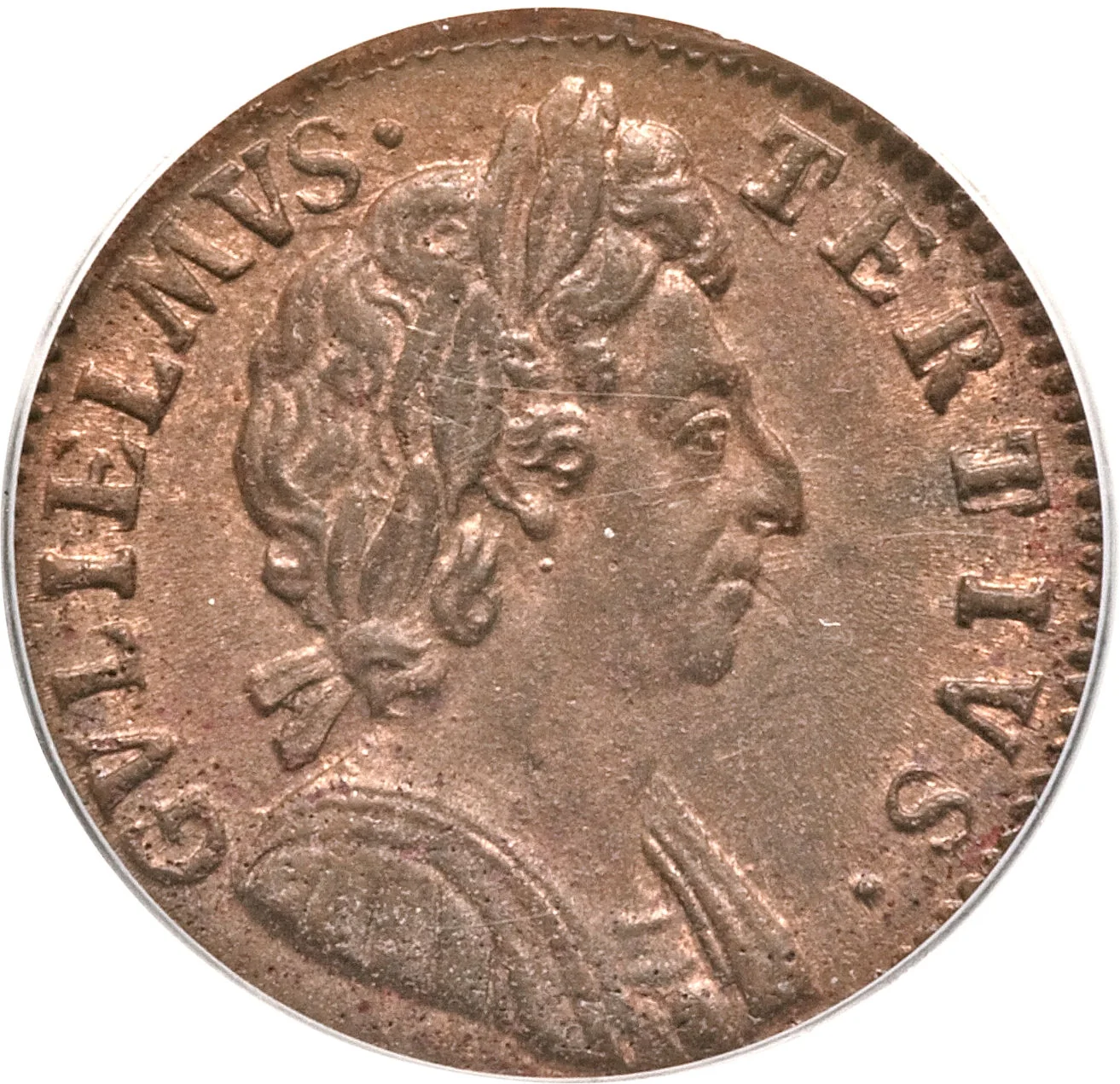
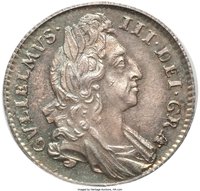
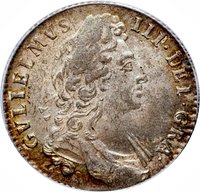
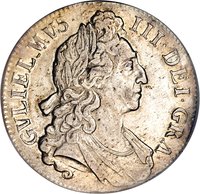
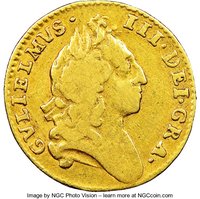
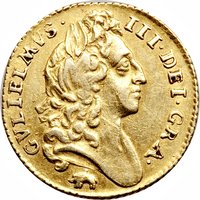
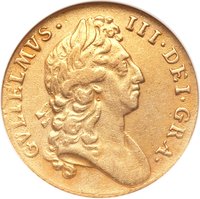
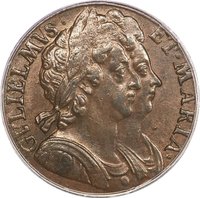
Laureate, cuirassed bust of William III left, legend surrounding.
Inscription:
GVLIELMVS· TERTIVS·
Script: Latin
Reverse
Description:
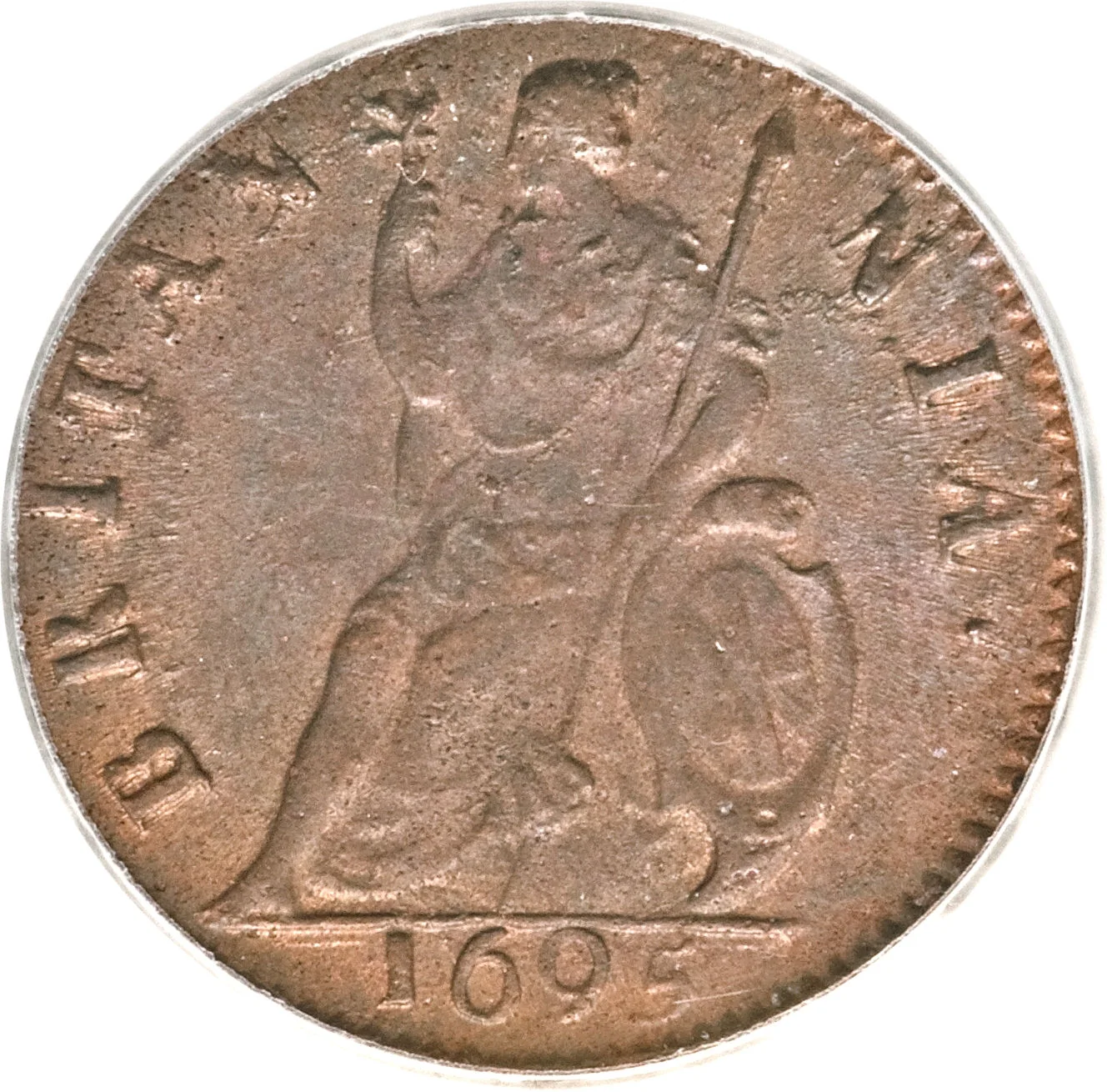
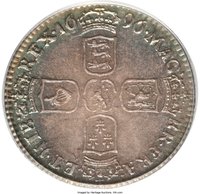
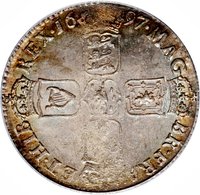
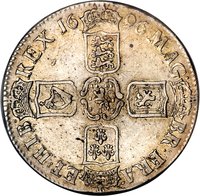
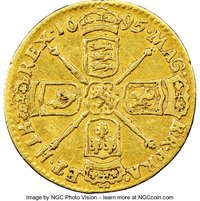
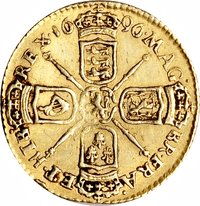
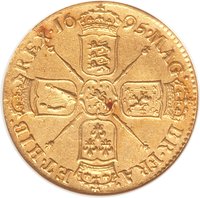
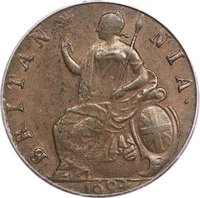
Britannia seated left, holding trident and olive branch, with Union Jack shield beside her. Legend around, date in exergue.
Inscription:
BRITANNIA·1699
Script: Latin
Edge
Plain.
Mintings
| Year | Mint Mark | Mintage | Quality | Collection |
|---|---|---|---|---|
| 1695 | — | — | ||
| 1696 | — | — | ||
| 1697 | — | — | ||
| 1698 | — | — | ||
| 1699 | — | — | ||
| 1700 | — | — |
Historical background
In 1695, England's currency was in a state of severe crisis, primarily due to the widespread practice of "clipping" silver coins. For decades, individuals had been illegally shaving small amounts of precious metal from the edges of coins like the silver crown and shilling, then passing them on at their full face value. This resulted in a circulating medium where the actual silver content of many coins was significantly below their official denomination, destroying public confidence. The problem was exacerbated by the fact that full-weight, unclipped coins were often hoarded or melted down for their bullion value and exported, leaving only the degraded currency in domestic circulation—a classic example of Gresham’s Law, where "bad money drives out good."
The financial strain of King William's War against France (the Nine Years' War) intensified the crisis. The government needed vast sums to fund the military, but the degraded coinage made tax collection chaotic and undermined the credit of the Treasury. Attempts to call in the old currency and remint it had stalled due to the immense cost and logistical challenges. Consequently, by the summer of 1695, the disparity between the face value of the silver coinage and its market value as bullion had reached a breaking point, causing inflation, hampering trade, and threatening the state's ability to wage war.
This dire situation forced the government, under the guidance of the Chancellor of the Exchequer, Charles Montagu, to seek a radical solution. In late 1695, following the advice of thinkers like John Locke and Isaac Newton (who would later become Warden of the Mint), the decision was taken to undertake a great recoinage. This meant the state would assume the full cost of replacing all the old, clipped silver coins with new, milled-edge currency that was difficult to tamper with. The Treasury would bear the loss from the shortfall in silver, a monumental fiscal commitment that set the stage for the transformative financial reforms of the 1690s, including the founding of the Bank of England in 1694, which helped manage the necessary debt.
The financial strain of King William's War against France (the Nine Years' War) intensified the crisis. The government needed vast sums to fund the military, but the degraded coinage made tax collection chaotic and undermined the credit of the Treasury. Attempts to call in the old currency and remint it had stalled due to the immense cost and logistical challenges. Consequently, by the summer of 1695, the disparity between the face value of the silver coinage and its market value as bullion had reached a breaking point, causing inflation, hampering trade, and threatening the state's ability to wage war.
This dire situation forced the government, under the guidance of the Chancellor of the Exchequer, Charles Montagu, to seek a radical solution. In late 1695, following the advice of thinkers like John Locke and Isaac Newton (who would later become Warden of the Mint), the decision was taken to undertake a great recoinage. This meant the state would assume the full cost of replacing all the old, clipped silver coins with new, milled-edge currency that was difficult to tamper with. The Treasury would bear the loss from the shortfall in silver, a monumental fiscal commitment that set the stage for the transformative financial reforms of the 1690s, including the founding of the Bank of England in 1694, which helped manage the necessary debt.
Series: 1695 England circulation coins
🌟 Uncommon