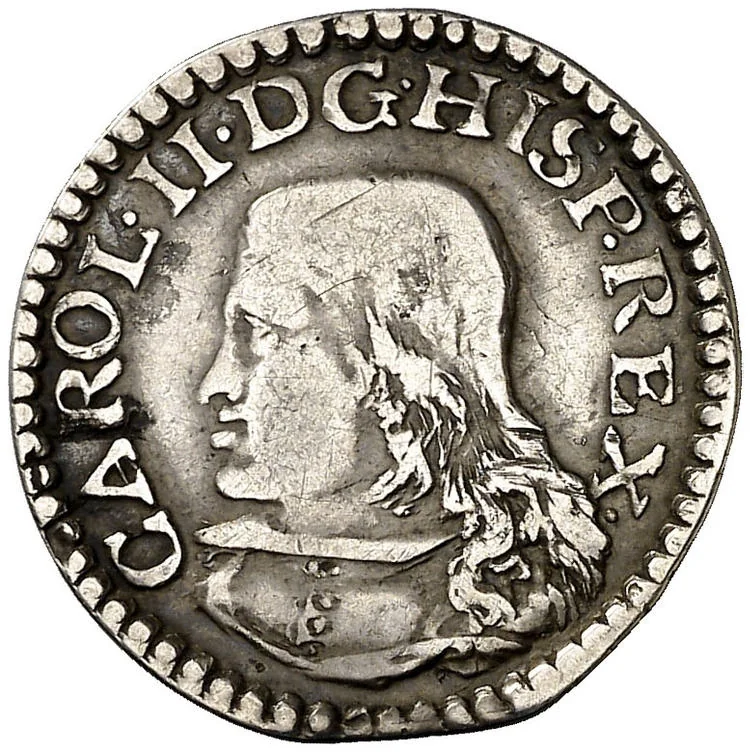
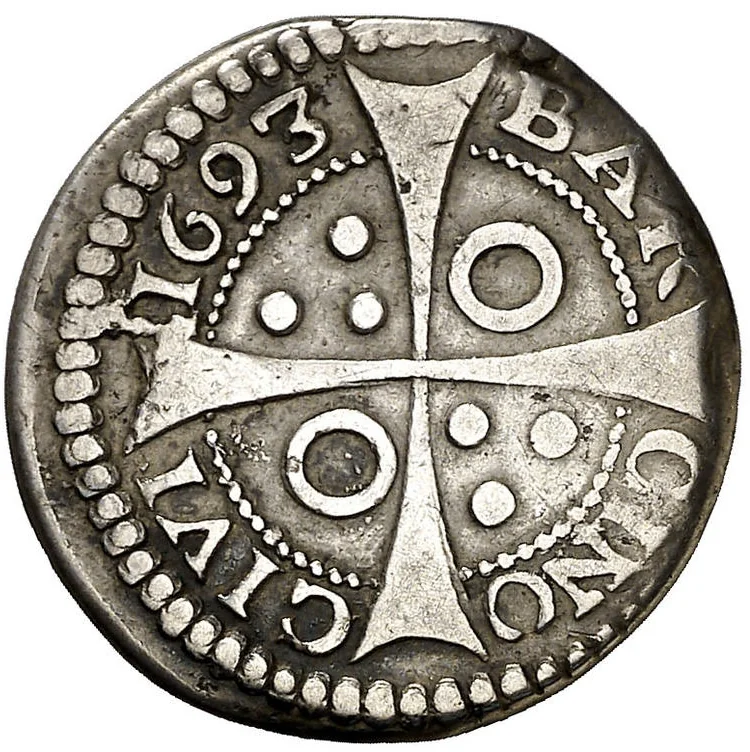
In 1693, the Principality of Catalonia was embroiled in the Nine Years' War (1688-1697), fighting as part of the broader Habsburg alliance against the France of Louis XIV. This conflict placed an immense fiscal strain on the region, exacerbating an already complex monetary system. Catalonia operated within the diverse currency landscape of the Crown of Aragon, using a mix of local billon (vellón) coins, valuable Catalan silver
ralls and
lliures, and foreign gold and silver pieces from neighboring states. The war effort, however, led to severe coinage shortages as precious metals were hoarded or exported to pay for military supplies, creating a liquidity crisis that crippled everyday commerce and state finances.
To address this emergency, the Catalan government, the
Diputació del General or
Generalitat, took the unprecedented step of issuing paper money—the first such emission in Western Europe intended for general circulation. These notes, known as
papel sellado or
vals de la Generalitat, were issued in denominations of
lliures,
sous, and
diners, and were backed by the promise of future tax revenues. This was a revolutionary but desperate measure, born from the inability to mint sufficient precious metal coinage and the urgent need to pay troops and suppliers to defend Barcelona from French siege.
The public reception was deeply skeptical. Unlike trusted silver, this paper currency lacked a tangible intrinsic value and relied entirely on confidence in the governing institutions, which were under extreme military duress. While it provided a temporary solution to the wartime financial emergency, the notes quickly began to depreciate in value, leading to inflation and economic distress. This 1693 experiment, therefore, stands as a landmark in European financial history—a pioneering yet cautionary case of fiat money issued under the pressures of war, highlighting the intricate challenges of currency, sovereignty, and public trust in early modern Catalonia.