

1 speciedaler – Norway
Add to wishlist
Norway
Context
Year: 1765
Issuer: Norway
Ruler: Frederick V
Currency:
(1746—1814)
Demonetized: Yes
Total mintage: 1,000
Material
References
KM: #
Numista: #100314
Value
Bullion value: $62.01
Obverse
Description:
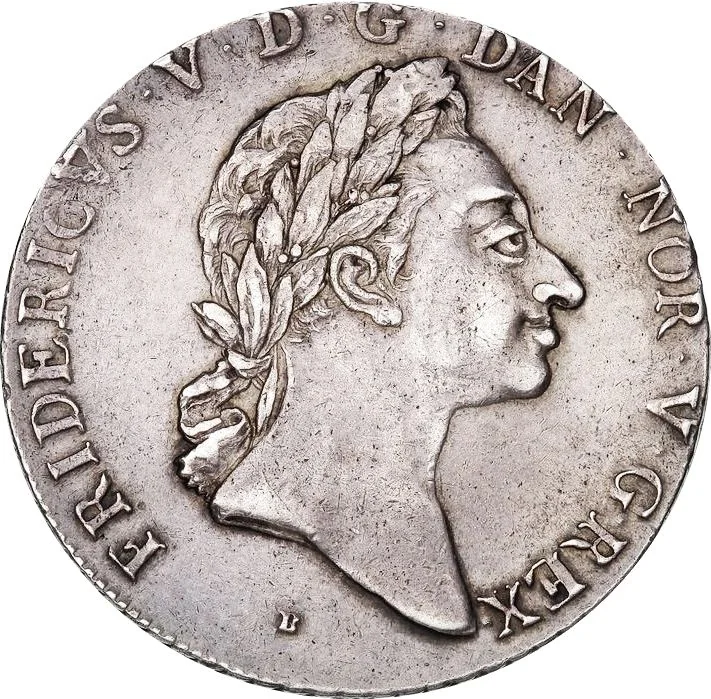
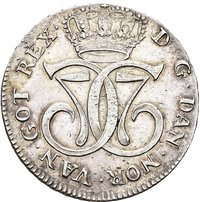
Bust of Frederik IV with laurel wreath, facing right, surrounded by inscription. Engraver's initials below. Milled edge.
Inscription:
FRIDERICVS · V · D · G · DAN · NOR · V · G·REX·
B
B
Script: Latin
Engraver: Johan Ephraim Bauert
Reverse
Description:
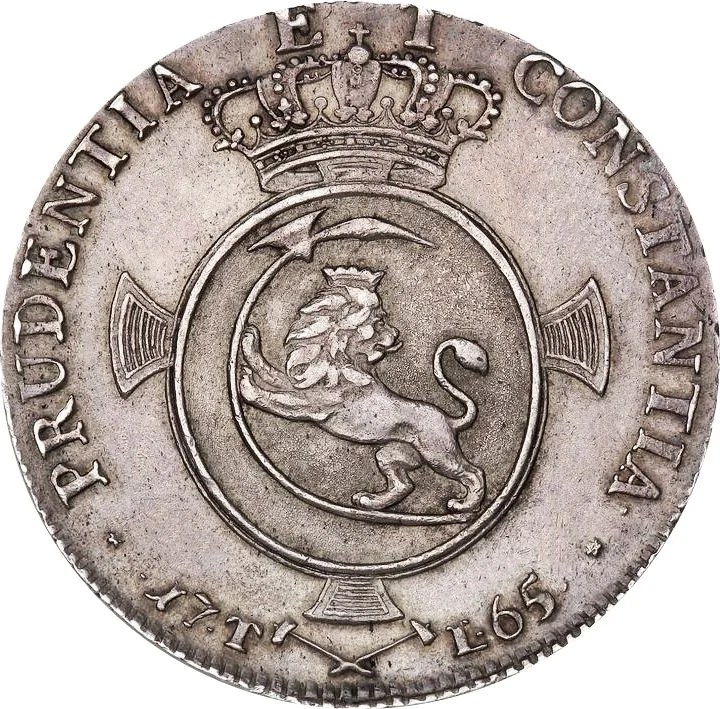
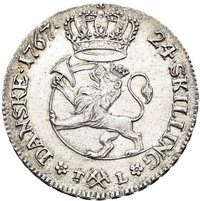
Shield with crowned lion holding a halberd, on a cross. Surrounding inscription. Date, mintmaster initials, and mintmark below. Milled edge.
Inscription:
⋆ PRUDENTIA E T CONSTANTIA· ⋆
·17·T ⚒ L·65·
·17·T ⚒ L·65·
Script: Latin
Edge
Diagonal coarse milling
Mints
| Name | Mark |
|---|---|
| Norwegian Mint | — |
Mintings
| Year | Mint Mark | Mintage | Quality | Collection |
|---|---|---|---|---|
| 1765 | — | 1,000 |
Historical background
In 1765, Norway was part of the Dano-Norwegian dual monarchy, governed from Copenhagen. The currency situation was complex and challenging, characterized by a severe shortage of official coinage in circulation. The primary unit was the riksdaler, but everyday transactions were heavily reliant on a chaotic mix of foreign coins (especially German and Dutch), local tokens, and promissory notes issued by merchants and regional officials. This scarcity of reliable, state-backed money hindered trade and created significant uncertainty in commercial dealings.
The root of the problem lay in the kingdom's persistent trade deficit, particularly with Western Europe. More silver flowed out to pay for imports than flowed in from Norway's key exports like timber and fish, draining the realm of precious metal. Furthermore, the official currency was often undervalued compared to its intrinsic metal value or foreign equivalents, leading to hoarding or melting down of coins. This created a vicious cycle where good money disappeared from circulation, leaving only the poorest-quality coins for daily use.
In response, the state had resorted to repeated devaluations and the issuance of low-quality "credit coins" made of debased silver or copper. These measures, intended as short-term fixes, ultimately eroded public trust in the currency. The situation in 1765 was therefore one of monetary fragmentation and instability, posing a significant obstacle to economic growth and highlighting the structural weaknesses of a system struggling to support a modernizing economy within an absolutist monarchy.
The root of the problem lay in the kingdom's persistent trade deficit, particularly with Western Europe. More silver flowed out to pay for imports than flowed in from Norway's key exports like timber and fish, draining the realm of precious metal. Furthermore, the official currency was often undervalued compared to its intrinsic metal value or foreign equivalents, leading to hoarding or melting down of coins. This created a vicious cycle where good money disappeared from circulation, leaving only the poorest-quality coins for daily use.
In response, the state had resorted to repeated devaluations and the issuance of low-quality "credit coins" made of debased silver or copper. These measures, intended as short-term fixes, ultimately eroded public trust in the currency. The situation in 1765 was therefore one of monetary fragmentation and instability, posing a significant obstacle to economic growth and highlighting the structural weaknesses of a system struggling to support a modernizing economy within an absolutist monarchy.
✨ Legendary