

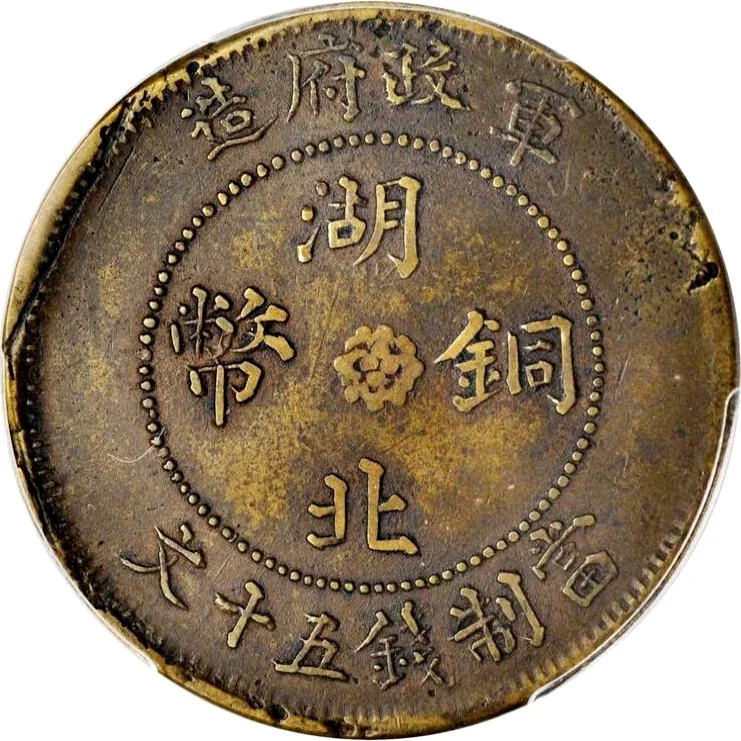
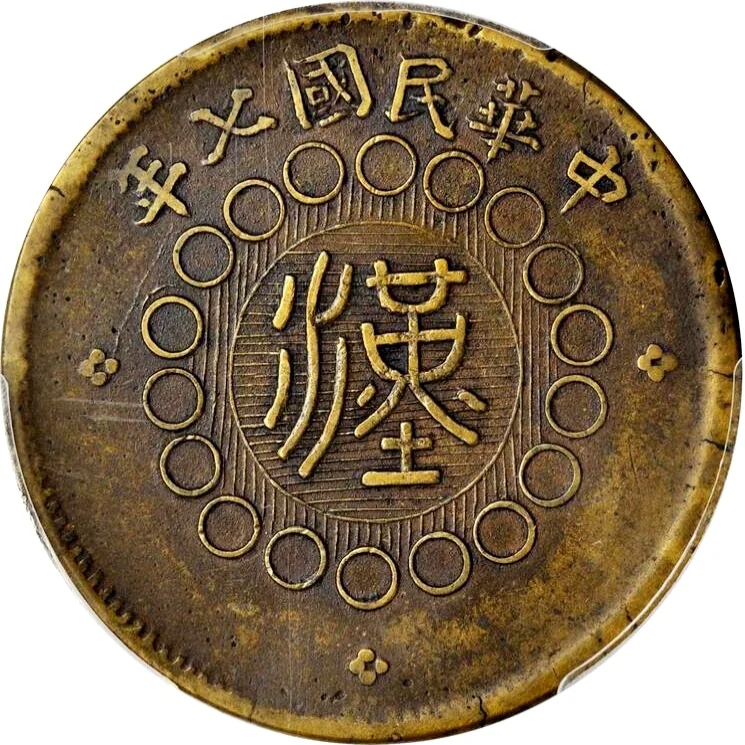
50 Cash – Hupeh Province
China
Context
Years: 1912–1918
Country: China 
Issuer: Hupeh Province
Period:
(1912—1949)
Currency:
(1895—1949)
Demonetized: Yes
Material
References
Y: #Click to copy to clipboard405
Numista: #277418
Obverse
Description:
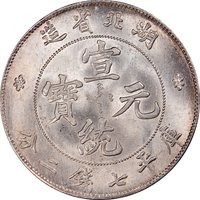
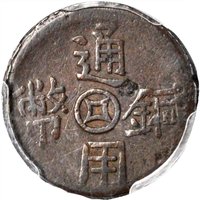
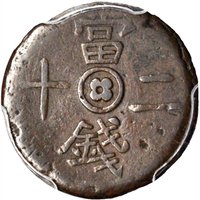
Four Chinese ideograms read vertically, flanking a central flower, all encircled by more text.
Inscription:
造府政軍
湖
幣銅
北
文十五錢制當
湖
幣銅
北
文十五錢制當
Translation:
Military Government of Zhili
Lake
Copper Coin
North
Equal to Ten Cash Coin System
Lake
Copper Coin
North
Equal to Ten Cash Coin System
Script: Chinese
Language: Classical Chinese
Reverse
Edge
Plain
Mintings
| Year | Mint Mark | Mintage | Quality | Collection |
|---|---|---|---|---|
| 1912 | — | — | ||
| 1914 | — | — | ||
| 1918 | — | — |
Historical background
In 1912, Hupeh (Hubei) Province found itself at the epicenter of China's tumultuous monetary transition following the 1911 Revolution, which had begun in its capital, Wuchang. The collapse of the Qing Dynasty shattered the already fragile imperial monetary system, leaving a chaotic vacuum. In Hupeh, this meant the simultaneous circulation of a bewildering array of currencies: old Qing silver sycee and copper cash, various provincial banknotes (many now devalued), foreign silver dollars (particularly Mexican and British trade dollars), and the new, yet untrusted, currency notes issued by both the nascent Republican government and local military authorities.
The financial situation was dire and inflationary. To fund military operations and administration, the Hupeh Military Government, under Li Yuanhong, aggressively issued unbacked paper notes known as "Military Scrip" (junpiao). These notes were produced hastily, with poor security features, and lacked sufficient silver reserves, leading to rapid depreciation and widespread public distrust. Merchants hoarded silver, and transactions often reverted to barter or heavy bronze cash, crippling commerce. The province's economy, a vital hub of the Yangtze River trade, was severely disrupted by this currency instability.
This local chaos reflected the broader national crisis of political fragmentation. The central authority of the Beijing government under Yuan Shikai was weak, and it could not yet impose a unified monetary system. Consequently, Hupeh's currency woes in 1912 were a microcosm of the "warlord era" dawning—where provincial autonomy extended to finance, resulting in predatory currency issuance that eroded economic stability and placed the heaviest burden on the common populace. The situation would not stabilize until the Nationalist government's currency reforms of the 1930s.
The financial situation was dire and inflationary. To fund military operations and administration, the Hupeh Military Government, under Li Yuanhong, aggressively issued unbacked paper notes known as "Military Scrip" (junpiao). These notes were produced hastily, with poor security features, and lacked sufficient silver reserves, leading to rapid depreciation and widespread public distrust. Merchants hoarded silver, and transactions often reverted to barter or heavy bronze cash, crippling commerce. The province's economy, a vital hub of the Yangtze River trade, was severely disrupted by this currency instability.
This local chaos reflected the broader national crisis of political fragmentation. The central authority of the Beijing government under Yuan Shikai was weak, and it could not yet impose a unified monetary system. Consequently, Hupeh's currency woes in 1912 were a microcosm of the "warlord era" dawning—where provincial autonomy extended to finance, resulting in predatory currency issuance that eroded economic stability and placed the heaviest burden on the common populace. The situation would not stabilize until the Nationalist government's currency reforms of the 1930s.
💎 Extremely Rare