

50 Centimes – Haiti
Haiti
Context
Material
References
KM: #Click to copy to clipboard20
Numista: #26480
Value
Bullion value: $14.53
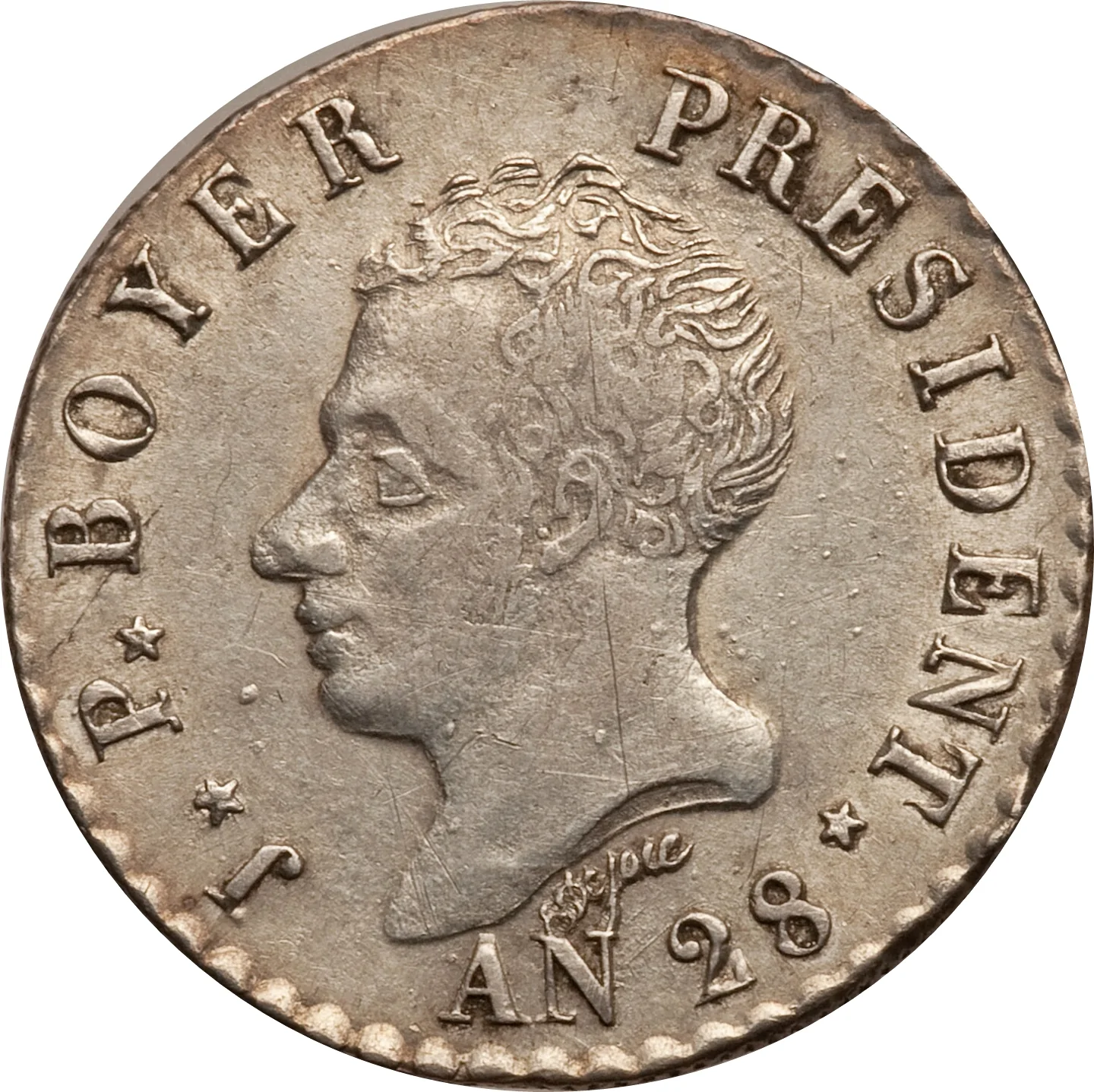
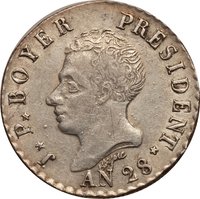
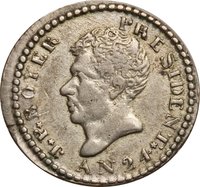
Obverse
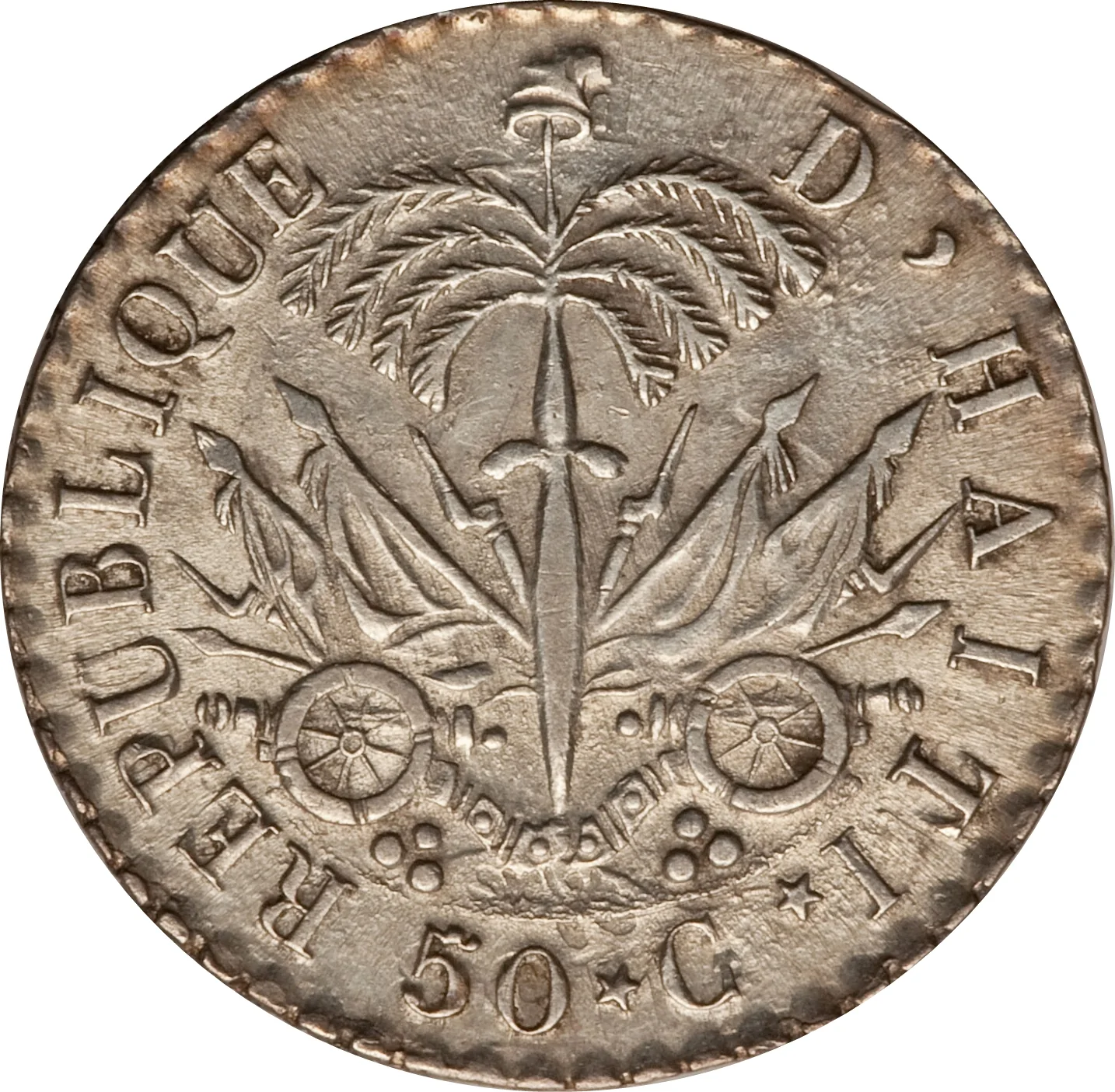
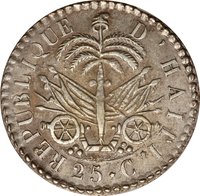
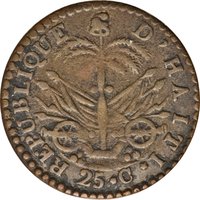
Reverse
Edge
Plain
Mintings
| Year | Mint Mark | Mintage | Quality | Collection |
|---|---|---|---|---|
| 1827 | — | — | ||
| 1828 | — | — | ||
| 1829 | — | — | ||
| 1830 | — | — | ||
| 1831 | — | — | ||
| 1832 | — | — | ||
| 1833 | — | — |
Historical background
In 1827, Haiti’s currency situation was a direct legacy of its revolutionary birth and its subsequent political and economic isolation. Following its independence from France in 1804, the nation was burdened by a crippling indemnity, formally agreed to in 1825 under King Charles X, which demanded 150 million francs (later reduced to 90 million) to secure French recognition. This debt, intended to compensate former colonists for lost "property" (including enslaved people), placed an immense financial strain on the Haitian treasury. To make the first payments, President Jean-Pierre Boyer’s government was forced to take out high-interest loans from French banks, beginning a cycle of debt that would dominate the country's finances for over a century.
The domestic monetary system was chaotic and unstable. The official currency was the Haitian gourde, pegged at par with the French franc, but in practice, a multitude of foreign coins circulated, including Spanish, American, and British currencies. More critically, the country suffered from a severe shortage of hard currency (specie), as much of its silver and gold was exported to service the foreign debt. This scarcity led to the widespread use of monnaie de nécessité (necessity money), such as cut and stamped pieces of Spanish coins, which further complicated commerce and undermined confidence in the monetary system.
Consequently, by 1827, Haiti's economy was caught in a vicious cycle: the indemnity drained specie, leading to a weak and fragmented currency, which in turn stifled domestic trade and agricultural production, primarily from coffee exports. This economic fragility limited the government's ability to invest in infrastructure or public services, cementing a state of underdevelopment. The currency crisis of 1827 was therefore not merely a financial issue but a foundational constraint on the young nation's sovereignty and economic potential, directly stemming from the punitive terms of its hard-won recognition.
The domestic monetary system was chaotic and unstable. The official currency was the Haitian gourde, pegged at par with the French franc, but in practice, a multitude of foreign coins circulated, including Spanish, American, and British currencies. More critically, the country suffered from a severe shortage of hard currency (specie), as much of its silver and gold was exported to service the foreign debt. This scarcity led to the widespread use of monnaie de nécessité (necessity money), such as cut and stamped pieces of Spanish coins, which further complicated commerce and undermined confidence in the monetary system.
Consequently, by 1827, Haiti's economy was caught in a vicious cycle: the indemnity drained specie, leading to a weak and fragmented currency, which in turn stifled domestic trade and agricultural production, primarily from coffee exports. This economic fragility limited the government's ability to invest in infrastructure or public services, cementing a state of underdevelopment. The currency crisis of 1827 was therefore not merely a financial issue but a foundational constraint on the young nation's sovereignty and economic potential, directly stemming from the punitive terms of its hard-won recognition.
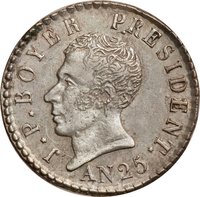
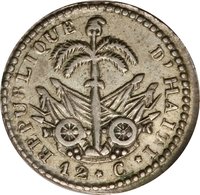
Series: 1827 Haiti circulation coins
⭐ Rare