

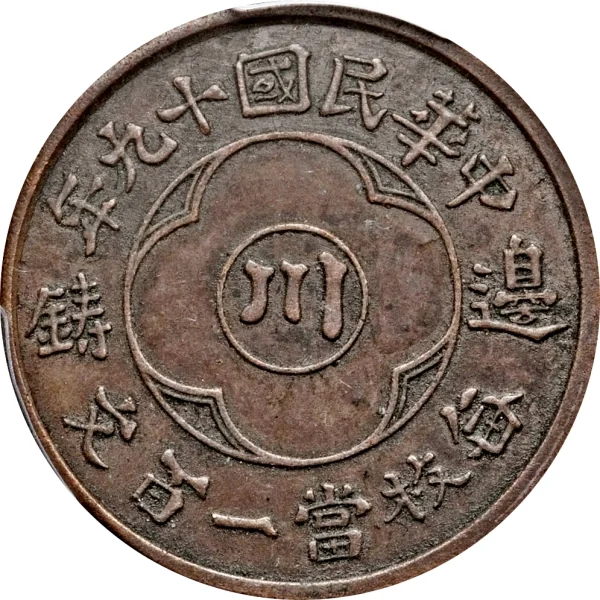
100 cash – Szechuan Province
Add to wishlist
China
Context
Years: 1926–1930
Country: China
Issuer: Szechuan Province
Period:
(1912—1949)
Currency:
(1897—1949)
Demonetized: Yes
Material
References
Y: #
Numista: #15996
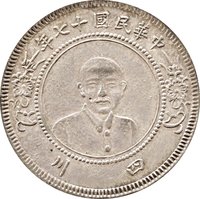
Obverse
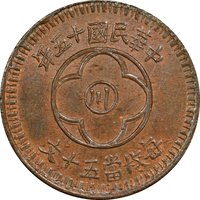
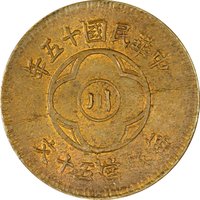
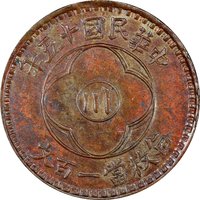
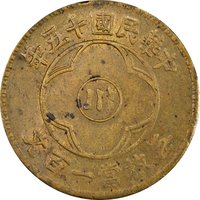
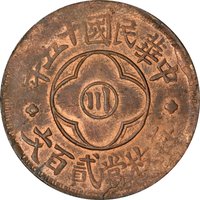
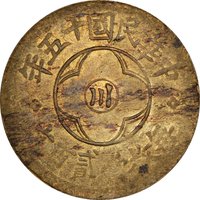
Description:
One ideogram within a pattern, surrounded by others.
Inscription:
年九十國民華中
邊鑄
川
文百一當枚每
邊鑄
川
文百一當枚每
Translation:
REPUBLIC OF CHINA YEAR 90
SICHUAN MINT
ONE HUNDRED CENTS
EACH PIECE
SICHUAN MINT
ONE HUNDRED CENTS
EACH PIECE
Language: Chinese
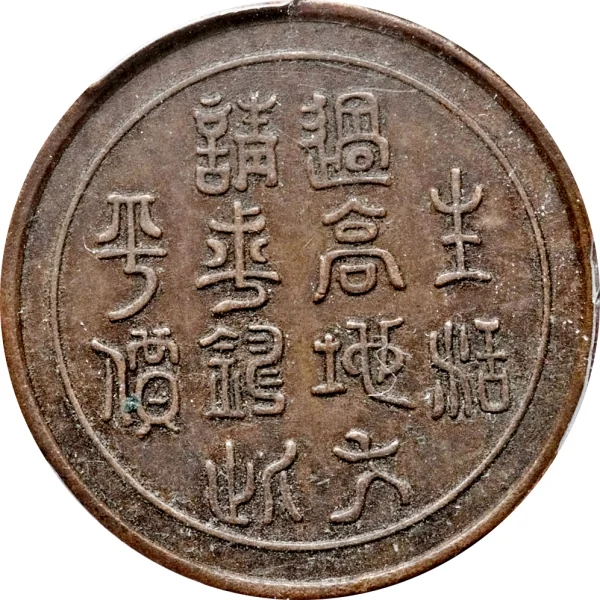
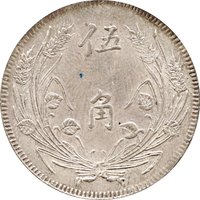
Reverse
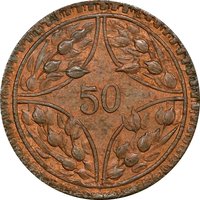
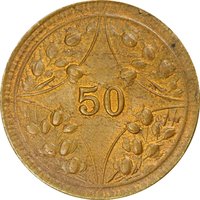
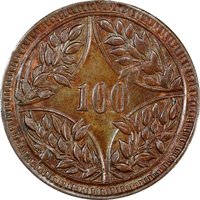
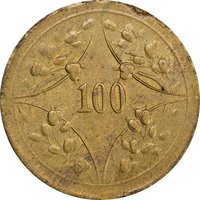
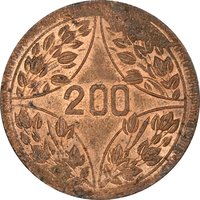
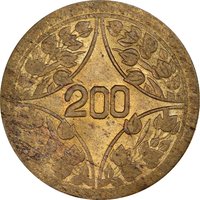
Description:
Twelve Seal script characters, read top to bottom, right to left.
Inscription:
請過
平求高鑄
價生地活
此方
平求高鑄
價生地活
此方
Translation:
Pass by this place and cast coins to seek high prices for a prosperous life.
Language: Classical Chinese
Edge
Plain
Mintings
| Year | Mint Mark | Mintage | Quality | Collection |
|---|---|---|---|---|
| 1926 | — | — | ||
| 1930 | — | — |
Historical background
In 1926, the currency situation in Sichuan (then commonly romanized as Szechuan) was one of profound chaos and hyperinflation, a direct result of the province's political fragmentation. Since the collapse of central authority following the 1911 Revolution, Sichuan had been dominated by a shifting network of regional militarists, known as dujun or warlords. Each warlord, controlling a handful of counties, financed his army and administration by forcibly issuing his own paper currency, known as tuchao (local banknotes). By 1926, there were over thirty different such issuers, with notes convertible only within the warlord's own territory and backed by little more than coercive authority.
This proliferation of unbacked paper money led to catastrophic devaluation. Warlords printed currency excessively to cover military campaigns, causing rampant inflation. Merchants and the public faced severe hardship as the value of notes could plummet overnight, and exchanging goods across different warlord territories became a complex and risky endeavor. The most notorious issuer was the Chongqing-based "Sichuan Commercial Bank," controlled by militarist Liu Xiang, which flooded the market with notes that became nearly worthless, eroding public trust in any paper currency to its core.
Consequently, the economy regressed to more primitive forms of exchange. In many areas, particularly rural districts, people reverted to using silver sycees (shoe-shaped ingots), copper cash coins, or even barter for basic transactions to avoid the worthless paper. This monetary anarchy stifled trade, crippled economic development, and placed immense burden on the peasantry, who were often forced to accept tuchao for tax payments and goods. The situation in 1926 thus epitomized the economic consequences of warlordism, creating a fractured and suffering provincial economy years before the Nationalist government would attempt a unified currency reform.
This proliferation of unbacked paper money led to catastrophic devaluation. Warlords printed currency excessively to cover military campaigns, causing rampant inflation. Merchants and the public faced severe hardship as the value of notes could plummet overnight, and exchanging goods across different warlord territories became a complex and risky endeavor. The most notorious issuer was the Chongqing-based "Sichuan Commercial Bank," controlled by militarist Liu Xiang, which flooded the market with notes that became nearly worthless, eroding public trust in any paper currency to its core.
Consequently, the economy regressed to more primitive forms of exchange. In many areas, particularly rural districts, people reverted to using silver sycees (shoe-shaped ingots), copper cash coins, or even barter for basic transactions to avoid the worthless paper. This monetary anarchy stifled trade, crippled economic development, and placed immense burden on the peasantry, who were often forced to accept tuchao for tax payments and goods. The situation in 1926 thus epitomized the economic consequences of warlordism, creating a fractured and suffering provincial economy years before the Nationalist government would attempt a unified currency reform.
💎 Extremely Rare