

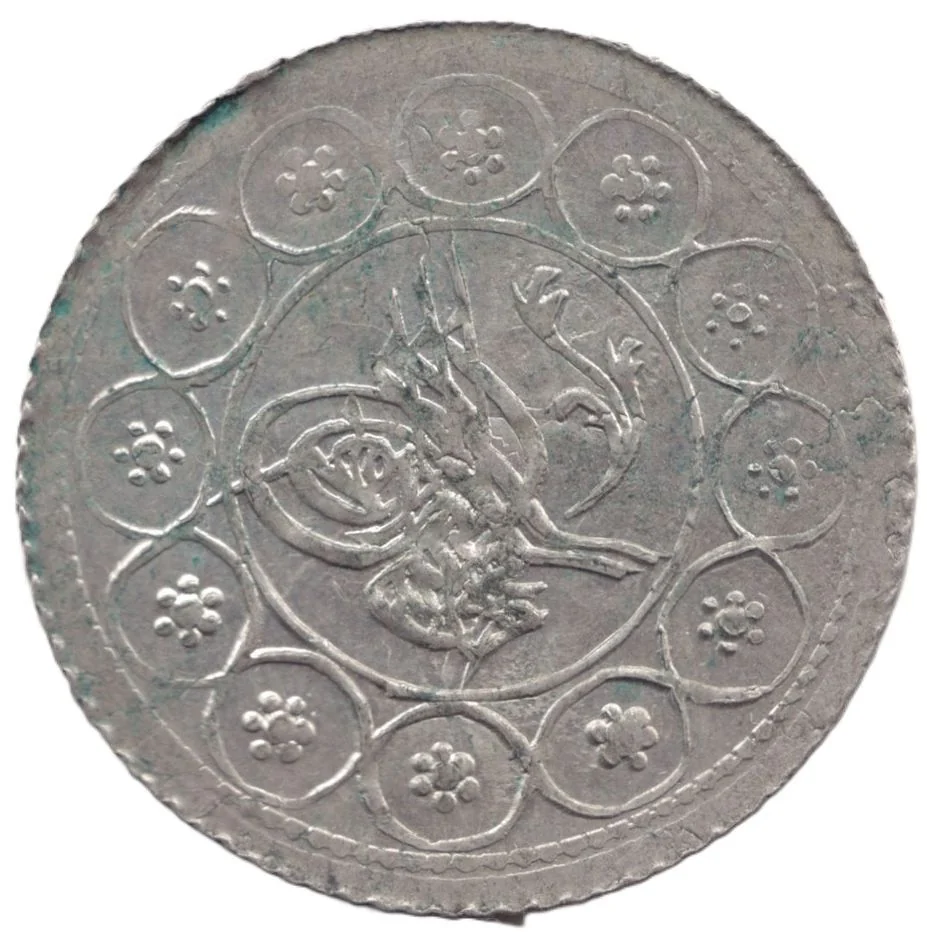
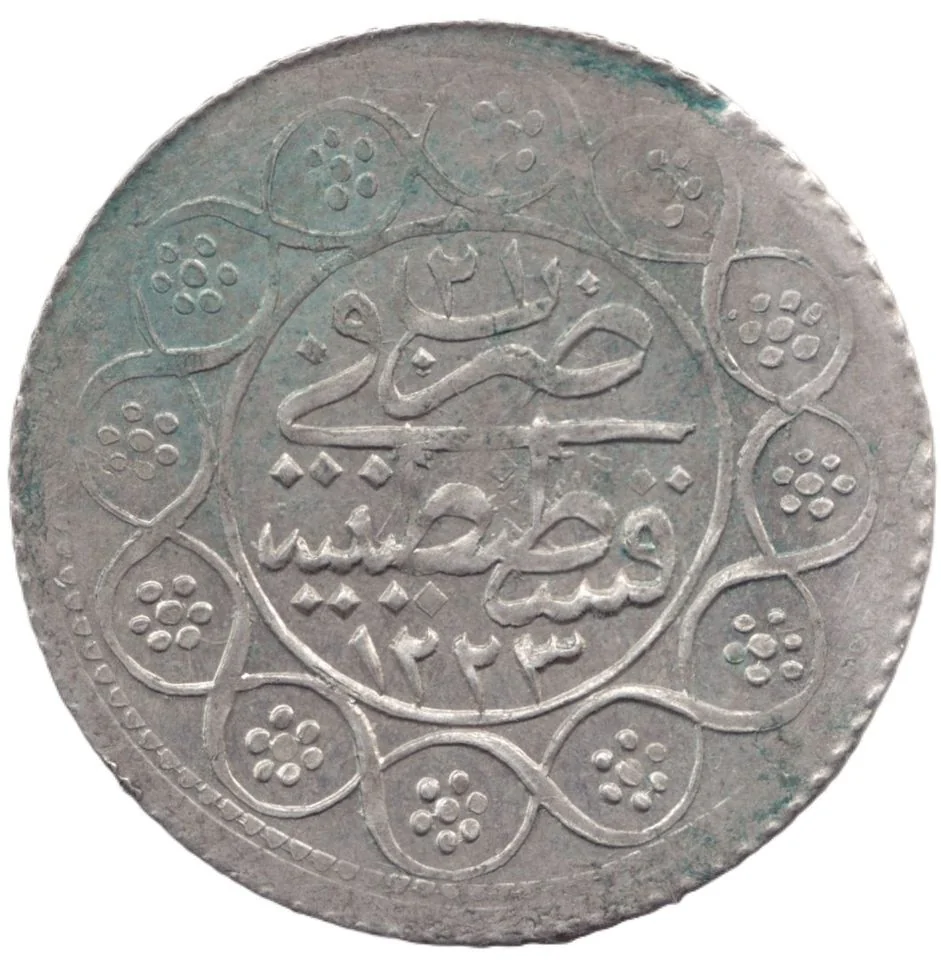
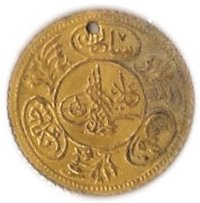
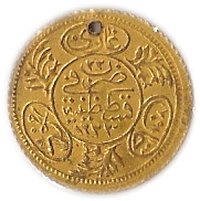
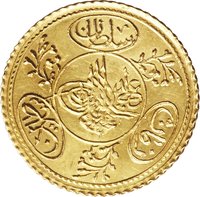
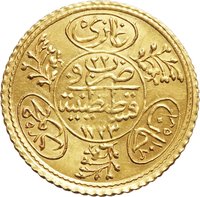
1 Kuruş – Ottoman Empire
Turkey
Context
Years: 1828–1829
Islamic (Hijri) Year: 1223
Country: Turkey 
Issuer: Ottoman Empire
Ruler: Mahmud II
Currency:
(1688—1844)
Demonetized: Yes
Material
References
KM: #Click to copy to clipboard584
Numista: #42828
Value
Bullion value: $3.78
Mints
| Name | Mark |
|---|---|
| Constantinople | — |
Mintings
| Year | Mint Mark | Mintage | Quality | Collection |
|---|---|---|---|---|
| 1828 | — | — | ||
| 1829 | — | — |
Historical background
By 1828, the Ottoman Empire’s currency system was in a state of profound crisis, characterized by severe depreciation and loss of confidence. The primary unit, the kuruş (piastre), had been repeatedly debased for decades to finance military campaigns and cover budgetary shortfalls. This practice, combined with the widespread circulation of foreign coins and counterfeit money, led to a chaotic monetary environment where the actual silver content of coins was often far below their face value. The state’s inability to control minting and its reliance on clipped and worn coinage created multiple, unofficial exchange rates, disrupting both domestic trade and international commerce.
This financial instability was acutely exacerbated by the ongoing Greek War of Independence (1821-1832) and the concurrent Russo-Turkish War (1828-1829). The enormous costs of these conflicts forced the Ottoman treasury to resort to even more extreme debasement. In 1828, the silver content of the kuruş was reduced to roughly one-fifth of its value from the late 18th century, leading to rampant inflation. The situation was so dire that in many provinces, people refused to accept the new, heavily debased coins at their official nominal value, preferring older coins or foreign currencies like the Austrian thaler and the Spanish dollar for significant transactions.
Consequently, the year 1828 represents a low point in Ottoman monetary history, highlighting the direct link between imperial overreach, fiscal desperation, and economic breakdown. The chaos underscored the urgent need for comprehensive reform, which would eventually materialize under Sultan Abdülmecid I with the groundbreaking monetary reforms of 1844. These later reforms established a new, stable bimetallic system based on the gold lira and the silver kuruş, but in 1828, the empire was mired in a period of severe monetary distress that weakened its economy and social fabric at a critical juncture.
This financial instability was acutely exacerbated by the ongoing Greek War of Independence (1821-1832) and the concurrent Russo-Turkish War (1828-1829). The enormous costs of these conflicts forced the Ottoman treasury to resort to even more extreme debasement. In 1828, the silver content of the kuruş was reduced to roughly one-fifth of its value from the late 18th century, leading to rampant inflation. The situation was so dire that in many provinces, people refused to accept the new, heavily debased coins at their official nominal value, preferring older coins or foreign currencies like the Austrian thaler and the Spanish dollar for significant transactions.
Consequently, the year 1828 represents a low point in Ottoman monetary history, highlighting the direct link between imperial overreach, fiscal desperation, and economic breakdown. The chaos underscored the urgent need for comprehensive reform, which would eventually materialize under Sultan Abdülmecid I with the groundbreaking monetary reforms of 1844. These later reforms established a new, stable bimetallic system based on the gold lira and the silver kuruş, but in 1828, the empire was mired in a period of severe monetary distress that weakened its economy and social fabric at a critical juncture.
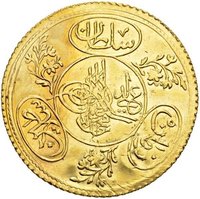
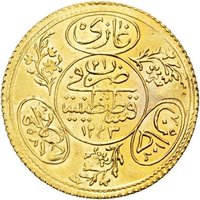
💎 Extremely Rare