

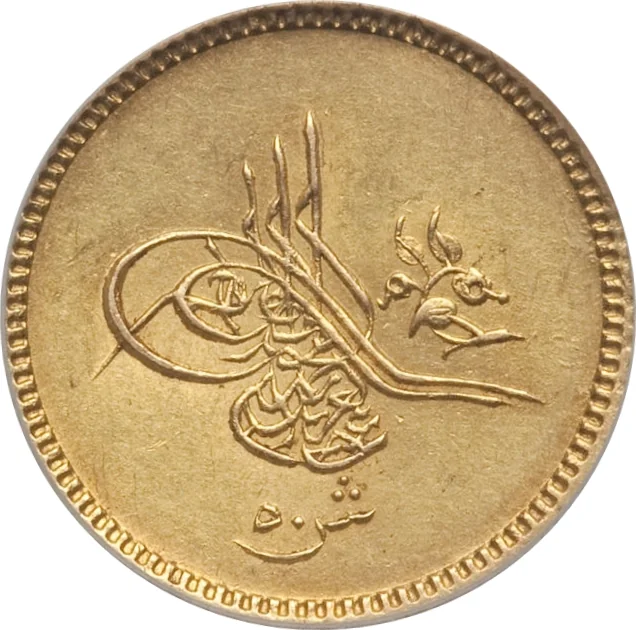
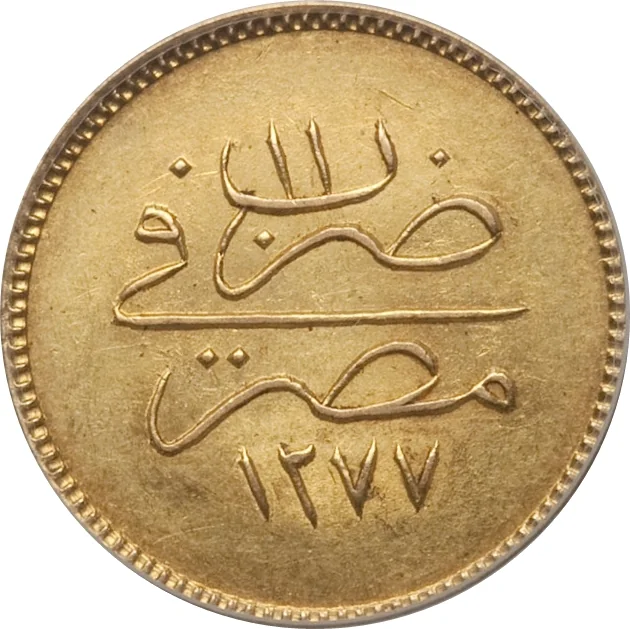
50 qirsh – Egypt
Add to wishlist
Egypt
Context
Years: 1870–1875
Islamic (Hijri) Year:: 1277
Issuer: Egypt
Ruler: Abdülaziz
Currency:
(1834—1916)
Demonetized: Yes
Material
References
KM: #
Numista: #36889
Value
Bullion value: $575.37
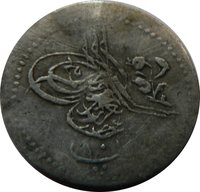
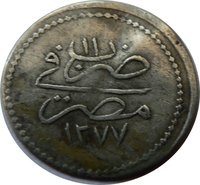
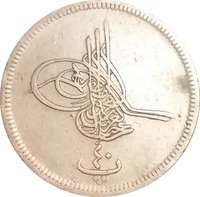
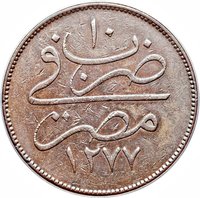
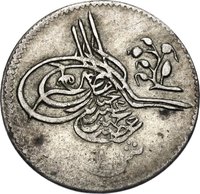
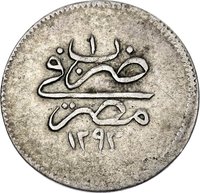
Obverse
Edge
Mintings
| Year | Mint Mark | Mintage | Quality | Collection |
|---|---|---|---|---|
| 1870 | — | — | ||
| 1871 | — | — | ||
| 1872 | — | — | ||
| 1873 | — | — | ||
| 1874 | — | — | ||
| 1875 | — | — |
Historical background
In 1870, Egypt's currency system was a complex and unstable mixture of Ottoman, European, and local monetary units, reflecting its precarious political and financial position. Nominally a province of the Ottoman Empire, Egypt used the Ottoman gold lira and silver kuruş (piastre), but these circulated alongside a plethora of foreign coins, particularly British sovereigns, French francs, and Austrian thalers, due to extensive European commercial influence. The most critical problem was the severe depreciation of the copper para, the small change used by the majority of the population, which caused widespread hardship and market confusion.
This monetary chaos was directly tied to the ambitious modernization and infrastructure projects of Khedive Ismail Pasha, who had ascended to power in 1863. His spending on the Suez Canal, railways, and lavish public works was financed through massive foreign loans from European banks. By 1870, debt was mounting rapidly, and the state treasury was under immense strain. To meet obligations, the government increasingly resorted to debasing the copper currency and issuing irredeemable paper notes, leading to inflation and a loss of public confidence in the monetary system.
Consequently, the year 1870 represents a pivotal point just before a full-blown financial crisis. The currency disorder was a clear symptom of Egypt's deeper fiscal mismanagement and its growing dependence on European capital. This unsustainable situation would culminate in the state bankruptcy of 1876, leading to the establishment of Anglo-French financial control over Egypt and ultimately the British occupation in 1882. Thus, the monetary confusion of 1870 was the prelude to a fundamental loss of Egyptian economic sovereignty.
This monetary chaos was directly tied to the ambitious modernization and infrastructure projects of Khedive Ismail Pasha, who had ascended to power in 1863. His spending on the Suez Canal, railways, and lavish public works was financed through massive foreign loans from European banks. By 1870, debt was mounting rapidly, and the state treasury was under immense strain. To meet obligations, the government increasingly resorted to debasing the copper currency and issuing irredeemable paper notes, leading to inflation and a loss of public confidence in the monetary system.
Consequently, the year 1870 represents a pivotal point just before a full-blown financial crisis. The currency disorder was a clear symptom of Egypt's deeper fiscal mismanagement and its growing dependence on European capital. This unsustainable situation would culminate in the state bankruptcy of 1876, leading to the establishment of Anglo-French financial control over Egypt and ultimately the British occupation in 1882. Thus, the monetary confusion of 1870 was the prelude to a fundamental loss of Egyptian economic sovereignty.
✨ Legendary