

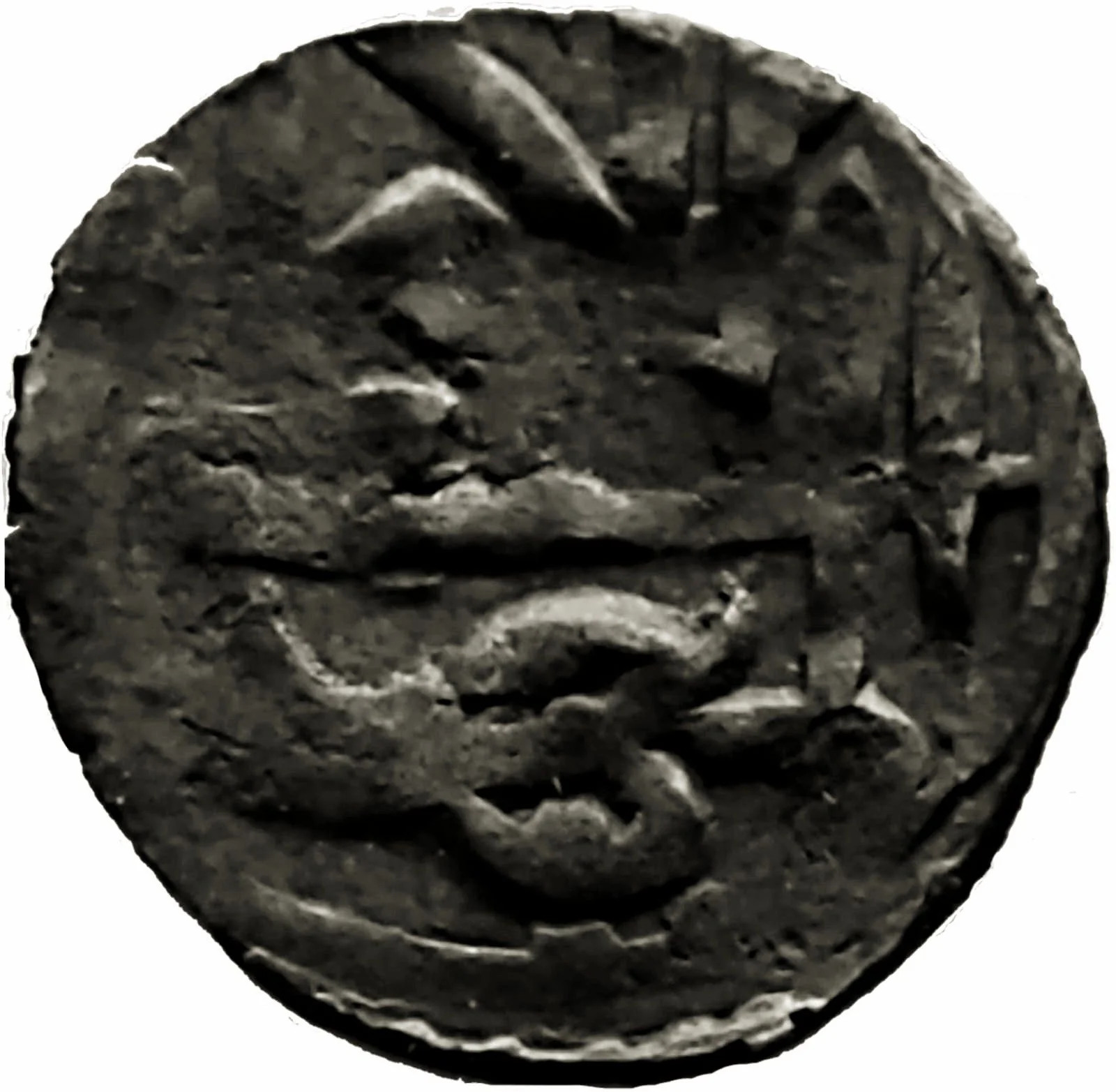
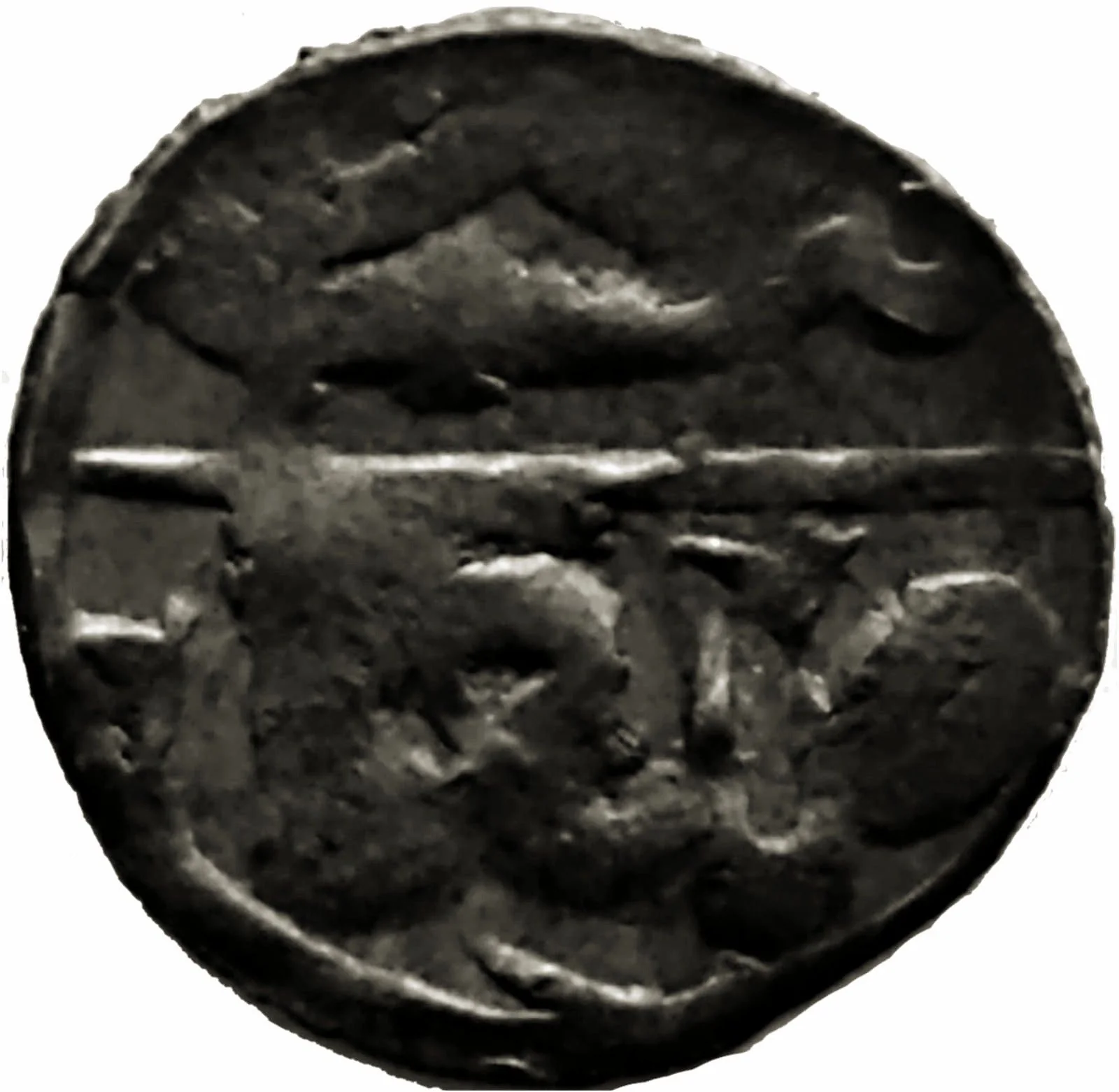
buqsha – Yemeni Zaidi State
Add to wishlist
Yemen
Context
Years: 1818–1834
Islamic (Hijri) Year:: 1233
Country: Yemen
Issuer: Yemeni Zaidi State
Currency:
Demonetized: Yes
References
KM: #
Numista: #195800
Obverse
Reverse
Edge
Mintings
| Year | Mint Mark | Mintage | Quality | Collection |
|---|---|---|---|---|
| 1818 | — | — | ||
| 1834 | — | — |
Historical background
In 1818, the Zaidi State in Yemen, centered in the mountainous northern highlands with its capital at Sana'a, operated within a complex and fragmented monetary system. The state's authority was often contested by rival imams, regional tribes, and external powers, preventing the establishment of a strong, centralized currency. Consequently, the primary circulating coins were not domestic issues but a mixture of older, worn Ottoman and Mamluk coins, alongside a significant influx of foreign silver. The most important of these was the Austrian Maria Theresa thaler (MTT), a large, high-purity silver coin that had become the de facto trade currency throughout the Red Sea region and the Arabian Peninsula due to its consistent weight and trusted silver content.
The local economy was therefore heavily dependent on this external specie. The MTT facilitated both long-distance trade—particularly for coffee exported from the port of Mocha—and internal transactions, though its high value often made it impractical for everyday small purchases. For smaller denominations, people relied on a chaotic mix of older, clipped, and debased copper and silver coins, leading to frequent disputes over valuation and authenticity. The Zaidi imamate lacked the sovereign minting capacity or bullion reserves to issue a competitive, unified currency that could displace the "Levantine dollar," leaving the state's monetary policy reactive and weak.
This reliance on foreign coinage underscored the Zaidi State's diminished economic sovereignty and its integration into broader Indian Ocean trade networks, even as its political power waned. The currency situation mirrored the broader geopolitical reality: while the Imams claimed religious and political legitimacy, their practical control over the economy was limited. The circulation of the Maria Theresa thaler was a clear indicator that monetary stability in Yemen was dictated more by European minting standards and regional merchant trust than by the decrees of the ruling Imam in Sana'a.
The local economy was therefore heavily dependent on this external specie. The MTT facilitated both long-distance trade—particularly for coffee exported from the port of Mocha—and internal transactions, though its high value often made it impractical for everyday small purchases. For smaller denominations, people relied on a chaotic mix of older, clipped, and debased copper and silver coins, leading to frequent disputes over valuation and authenticity. The Zaidi imamate lacked the sovereign minting capacity or bullion reserves to issue a competitive, unified currency that could displace the "Levantine dollar," leaving the state's monetary policy reactive and weak.
This reliance on foreign coinage underscored the Zaidi State's diminished economic sovereignty and its integration into broader Indian Ocean trade networks, even as its political power waned. The currency situation mirrored the broader geopolitical reality: while the Imams claimed religious and political legitimacy, their practical control over the economy was limited. The circulation of the Maria Theresa thaler was a clear indicator that monetary stability in Yemen was dictated more by European minting standards and regional merchant trust than by the decrees of the ruling Imam in Sana'a.

✨ Legendary