

harf – Yemeni Zaidi State
Add to wishlist
Yemen
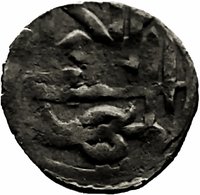
Obverse
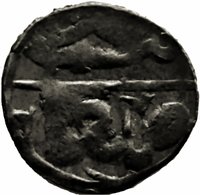
Reverse
Edge
Mintings
| Year | Mint Mark | Mintage | Quality | Collection |
|---|---|---|---|---|
| — | — | — |
Historical background
In 1835, the currency situation within the Zaidi Imamate of Yemen was characterized by fragmentation and instability, reflecting the broader political and economic challenges of the region. The authority of the Imam in Sana'a was contested by rival dynasties, powerful tribal confederations, and regional lords, leading to a lack of centralized monetary control. Consequently, a variety of coins circulated simultaneously, including older Ottoman qirsh pieces, Spanish silver dollars (reales), and a debased local coinage minted in Sana'a and other towns like Ta'izz and Hudaydah. This multiplicity created confusion in trade and facilitated widespread counterfeiting.
The primary unit of account was the riyal (Spanish dollar), but its actual value in transactions was highly unstable. The Imam's own mints struggled to produce sufficient quantities of reliable silver coinage, leading to chronic shortages of sound money. To meet demand, local authorities often issued low-quality, alloyed coins, which the public deeply distrusted. This practice of debasement effectively created a dual system where older, higher-silver coins traded at a significant premium over newly minted ones, disrupting markets and eroding state revenue.
This monetary disorder was both a symptom and a cause of Yemen's economic stagnation in the 1830s. Internal trade was hampered by the unreliable currency, while external commerce with Indian Ocean merchants increasingly relied on foreign specie, further undermining local monetary sovereignty. The situation would soon be exacerbated by the resumption of Ottoman interest in the region, foreshadowing a period of greater external intervention. Thus, the currency chaos of 1835 illustrated the Zaidi State's diminishing capacity to govern its economy amidst internal fragmentation and growing pressure from abroad.
The primary unit of account was the riyal (Spanish dollar), but its actual value in transactions was highly unstable. The Imam's own mints struggled to produce sufficient quantities of reliable silver coinage, leading to chronic shortages of sound money. To meet demand, local authorities often issued low-quality, alloyed coins, which the public deeply distrusted. This practice of debasement effectively created a dual system where older, higher-silver coins traded at a significant premium over newly minted ones, disrupting markets and eroding state revenue.
This monetary disorder was both a symptom and a cause of Yemen's economic stagnation in the 1830s. Internal trade was hampered by the unreliable currency, while external commerce with Indian Ocean merchants increasingly relied on foreign specie, further undermining local monetary sovereignty. The situation would soon be exacerbated by the resumption of Ottoman interest in the region, foreshadowing a period of greater external intervention. Thus, the currency chaos of 1835 illustrated the Zaidi State's diminishing capacity to govern its economy amidst internal fragmentation and growing pressure from abroad.

✨ Legendary