

kabir – Yemeni Zaidi State
Add to wishlist
Yemen
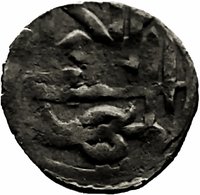
Obverse
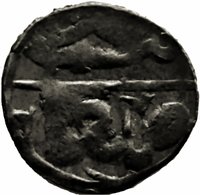
Reverse
Edge
Mintings
| Year | Mint Mark | Mintage | Quality | Collection |
|---|---|---|---|---|
| 1816 | — | — |
Historical background
In 1816, the currency situation within the Zaidi Imamate of Yemen was characterized by fragmentation and instability, reflecting the broader political and economic challenges of the era. The authority of the Imam in Sana'a was contested by various regional tribes, local dynasties, and external powers, particularly the Ottoman Empire, which had been expelled from the Yemeni highlands in the previous century but maintained a threatening presence on the coast. This political decentralization meant there was no unified monetary authority. Consequently, a variety of coins circulated simultaneously, including older, worn Ottoman qirsh (piastres), Spanish silver dollars (reales), and a limited supply of coins minted by the Imams themselves, often of inferior alloy due to scarce silver reserves.
The primary unit of account was the riyal (a term for the Spanish dollar), but its value in smaller denominations was highly unstable. The most common small coin in daily use was the copper falus, but its exchange rate against silver coins fluctuated wildly based on local supply, the whims of local rulers, and market speculation. This instability was exacerbated by the practice of "clipping" or debasing coins, as both local authorities and merchants sought to stretch precious metal supplies. The result was a complex and unreliable system where the intrinsic metal value of a coin often outweighed its nominal face value, causing hardship for common people and disrupting trade.
Furthermore, the economy remained largely agrarian and reliant on a subsistence base, with long-distance trade in coffee (a key export) and other goods providing the main injection of foreign silver. This made the money supply vulnerable to shifts in trade routes and global commodity prices. Therefore, in 1816, the Zaidi state lacked a standardized, trusted currency. The monetary landscape was a patchwork of foreign and domestic coins of uncertain value, symbolizing the Imamate's struggle to project economic sovereignty amidst internal fragmentation and a precarious position in regional trade networks.
The primary unit of account was the riyal (a term for the Spanish dollar), but its value in smaller denominations was highly unstable. The most common small coin in daily use was the copper falus, but its exchange rate against silver coins fluctuated wildly based on local supply, the whims of local rulers, and market speculation. This instability was exacerbated by the practice of "clipping" or debasing coins, as both local authorities and merchants sought to stretch precious metal supplies. The result was a complex and unreliable system where the intrinsic metal value of a coin often outweighed its nominal face value, causing hardship for common people and disrupting trade.
Furthermore, the economy remained largely agrarian and reliant on a subsistence base, with long-distance trade in coffee (a key export) and other goods providing the main injection of foreign silver. This made the money supply vulnerable to shifts in trade routes and global commodity prices. Therefore, in 1816, the Zaidi state lacked a standardized, trusted currency. The monetary landscape was a patchwork of foreign and domestic coins of uncertain value, symbolizing the Imamate's struggle to project economic sovereignty amidst internal fragmentation and a precarious position in regional trade networks.

✨ Legendary