

2 Zlotys – Poland
Circulating commemorative coins
Commemoration: Henryk Arctowski & Antoni Bolesław Dobrowolski
Series: Polish Travelers and Explorers
Poland
Context

Material
Diameter: 26.7 mm
Weight: 8.2 g
Thickness: 2 mm
Shape: Round
Composition: Nordic gold
Magnetic: No
Technique: Milled
Alignment: Medal alignment
flip
References
Y: #Click to copy to clipboard610
Numista: #9602
Value
Exchange value: 2 PLN = $0.56
Inflation-adjusted value: 3.82 PLN
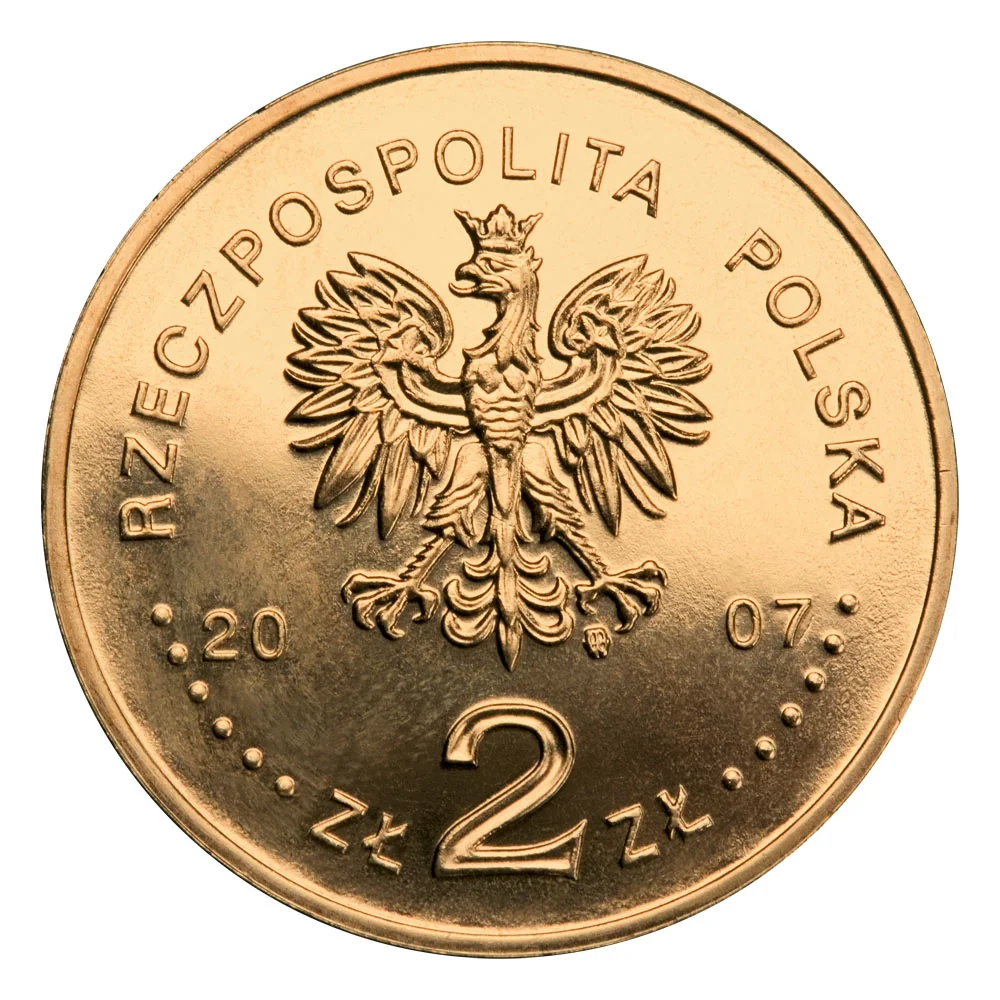
Obverse
Description:
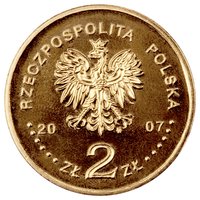
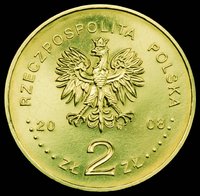
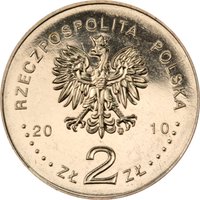
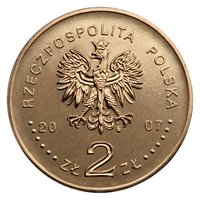
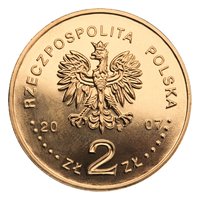
Polish eagle, valuable.
Inscription:
RZECZPOSPOLITA POLSKA
mw
2007
ZŁ 2 ZŁ
mw
2007
ZŁ 2 ZŁ
Translation:
REPUBLIC OF POLAND
2007
2 ZŁ 2 ZŁ
2007
2 ZŁ 2 ZŁ
Script: Latin
Language: Polish
Designer: Ewa Tyc-Karpińska
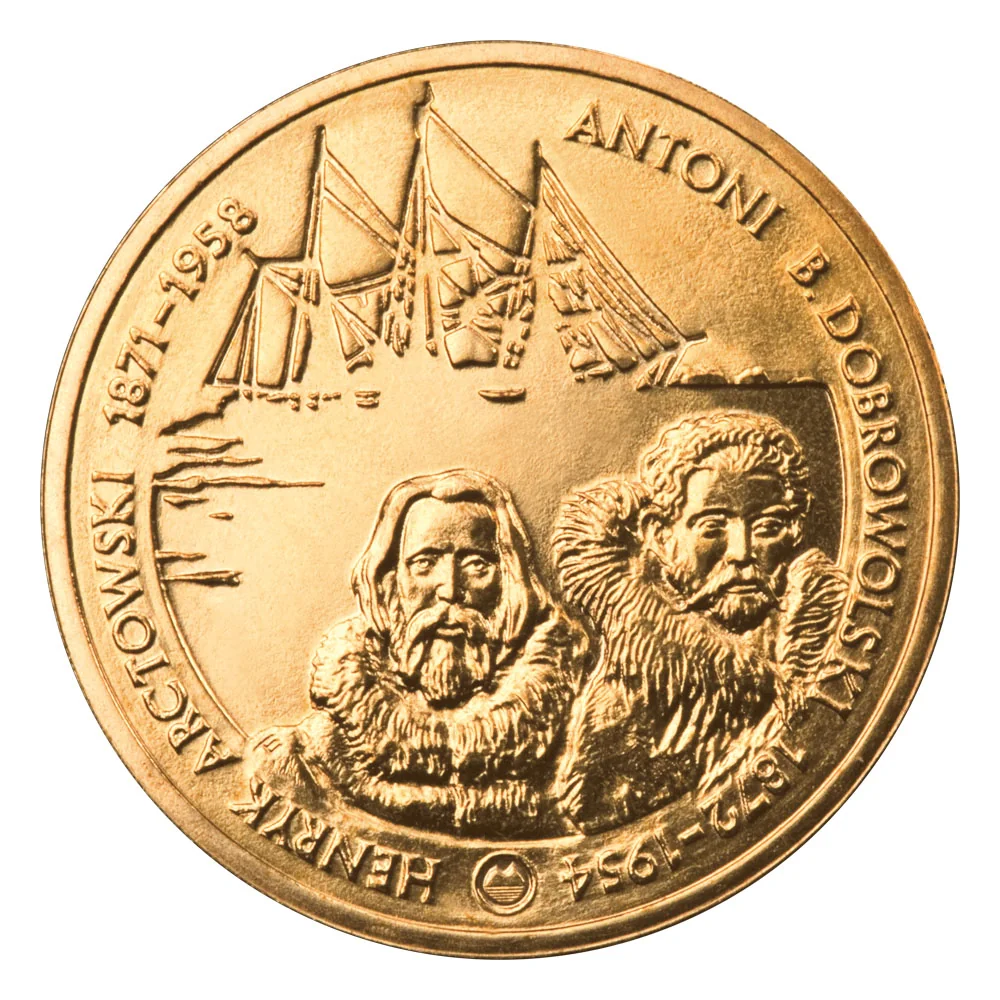
Reverse
Description:
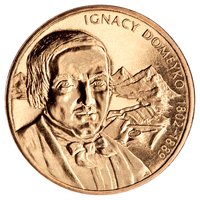
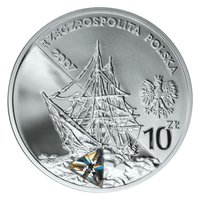
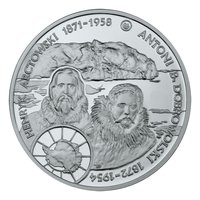
Portraits of the Belgica, the first ship to winter in the Antarctic during the 1897-1899 Belgian expedition.
Inscription:
HENRYK ARCTOWSKI 1871 - 1958 ANTONI B. DOBROWOLSKI 1872 - 1954
Script: Latin
Designer: Ewa Tyc-Karpińska
Edge
Inscripted with "NBP" repeated in alternating orientation, separated by stars.
Legend:
NBP ★ NBP ★ NBP ★ NBP ★ NBP ★ NBP ★ NBP ★ NBP ★
Categories
| Person> Explorer |
| Transportation> Watercraft |
Mints
| Name | Mark |
|---|---|
| Mint of Poland | (MW) |
Mintings
| Year | Mint Mark | Mintage | Quality | Collection |
|---|---|---|---|---|
| 2007 | MW | 990,000 |
Historical background
In 2007, Poland's currency situation was characterized by a period of significant strength and appreciation for the Polish złoty (PLN), driven by robust economic fundamentals and investor optimism. The country, having joined the European Union in 2004, was experiencing strong GDP growth (over 6% in 2007), declining unemployment, and substantial inflows of EU structural funds. This attracted considerable foreign direct investment and speculative capital, increasing demand for the złoty. Consequently, the PLN appreciated notably against major currencies, particularly the euro and the US dollar, reaching its strongest levels in years.
This appreciation presented a complex policy challenge for the National Bank of Poland (NBP). While a strong currency helped curb inflation by making imports cheaper, it also began to threaten the competitiveness of Polish exports, a key driver of the country's economic growth. The central bank, under President Sławomir Skrzypek, intervened periodically in foreign exchange markets to temper the złoty's rise, but largely maintained a policy of non-intervention, allowing the currency to float relatively freely. Interest rates were also raised cautiously to manage inflation, which further supported the currency by attracting yield-seeking investors.
The overall sentiment in 2007 was one of confidence, with the strong złoty symbolizing Poland's successful economic transition and convergence with Western Europe. Discussions about eventually adopting the euro were active, though no formal target date was set, with authorities emphasizing the need to meet the Maastricht criteria sustainably. However, the currency's strength also contained vulnerabilities, as it was partly fueled by global risk appetite. This left the złoty exposed to a potential shift in investor sentiment, a risk that would materialize dramatically in the following year with the onset of the global financial crisis, which triggered a sharp and sudden depreciation of the Polish currency.
This appreciation presented a complex policy challenge for the National Bank of Poland (NBP). While a strong currency helped curb inflation by making imports cheaper, it also began to threaten the competitiveness of Polish exports, a key driver of the country's economic growth. The central bank, under President Sławomir Skrzypek, intervened periodically in foreign exchange markets to temper the złoty's rise, but largely maintained a policy of non-intervention, allowing the currency to float relatively freely. Interest rates were also raised cautiously to manage inflation, which further supported the currency by attracting yield-seeking investors.
The overall sentiment in 2007 was one of confidence, with the strong złoty symbolizing Poland's successful economic transition and convergence with Western Europe. Discussions about eventually adopting the euro were active, though no formal target date was set, with authorities emphasizing the need to meet the Maastricht criteria sustainably. However, the currency's strength also contained vulnerabilities, as it was partly fueled by global risk appetite. This left the złoty exposed to a potential shift in investor sentiment, a risk that would materialize dramatically in the following year with the onset of the global financial crisis, which triggered a sharp and sudden depreciation of the Polish currency.
Series: Polish Travelers and Explorers
🌱 Common