

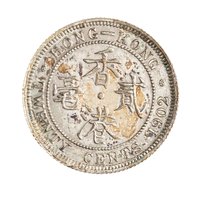
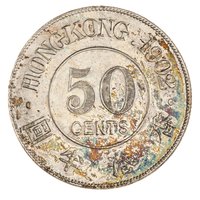
10 Cents – Hong Kong
China
Context
Years: 1902–1905
Country: China 
Issuer: Hong Kong 
Ruler: Edward VII
Currency:
(since 1863)
Demonetized: Yes
Total mintage: 106,487,000
Material
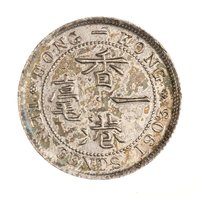
References
KM: #Click to copy to clipboard13
Numista: #9561
Value
Exchange value: 0.10 HKD = $0.01
Bullion value: $6.26
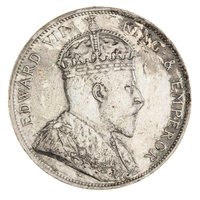
Obverse
Description:
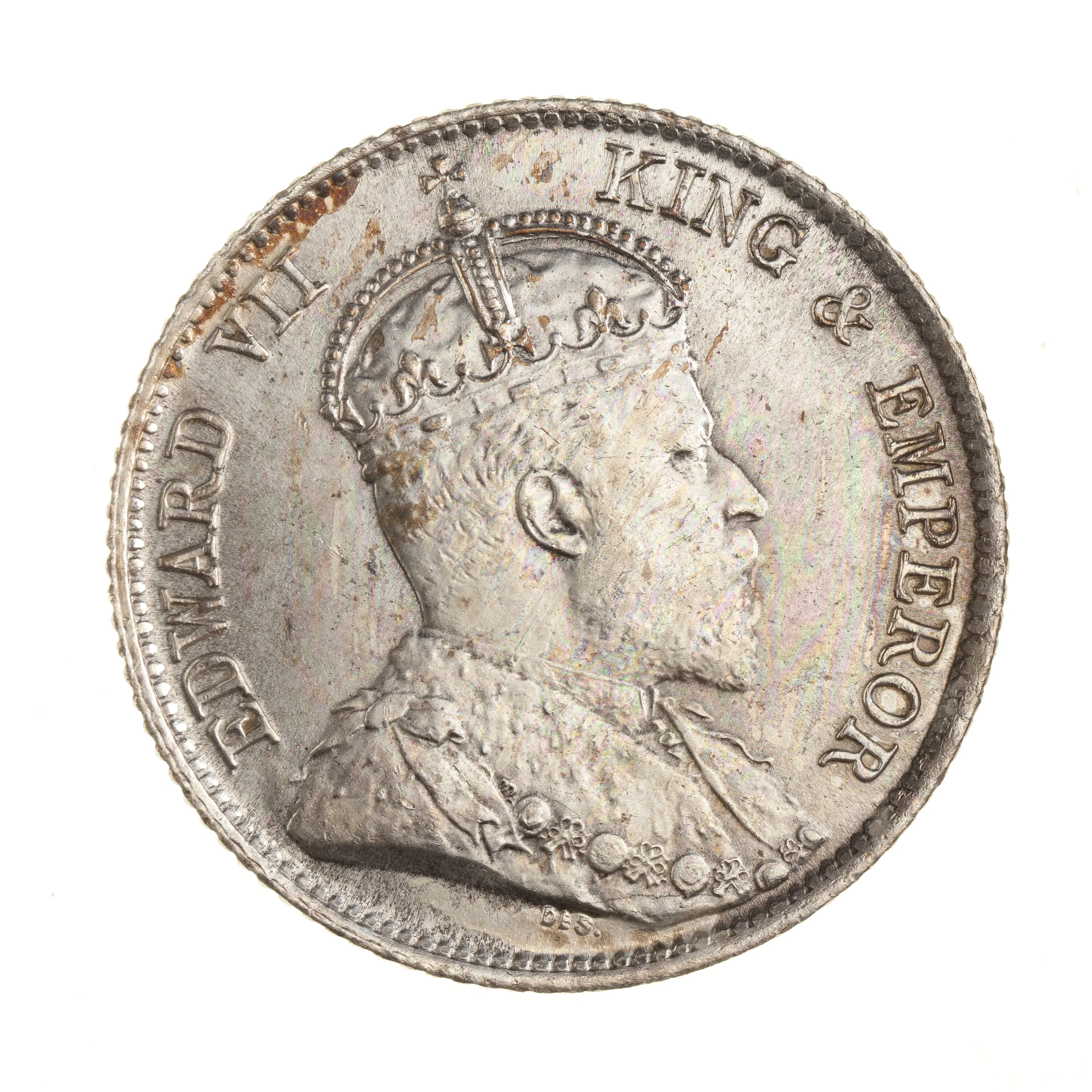
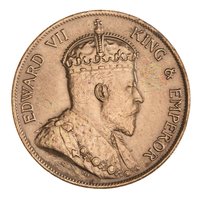
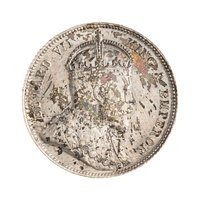
Right-facing crowned bust.
Inscription:
EDWARD VII KING & EMPEROR
Translation:
EDWARD VII KING & EMPEROR
Script: Latin
Engraver: George William de Saulles
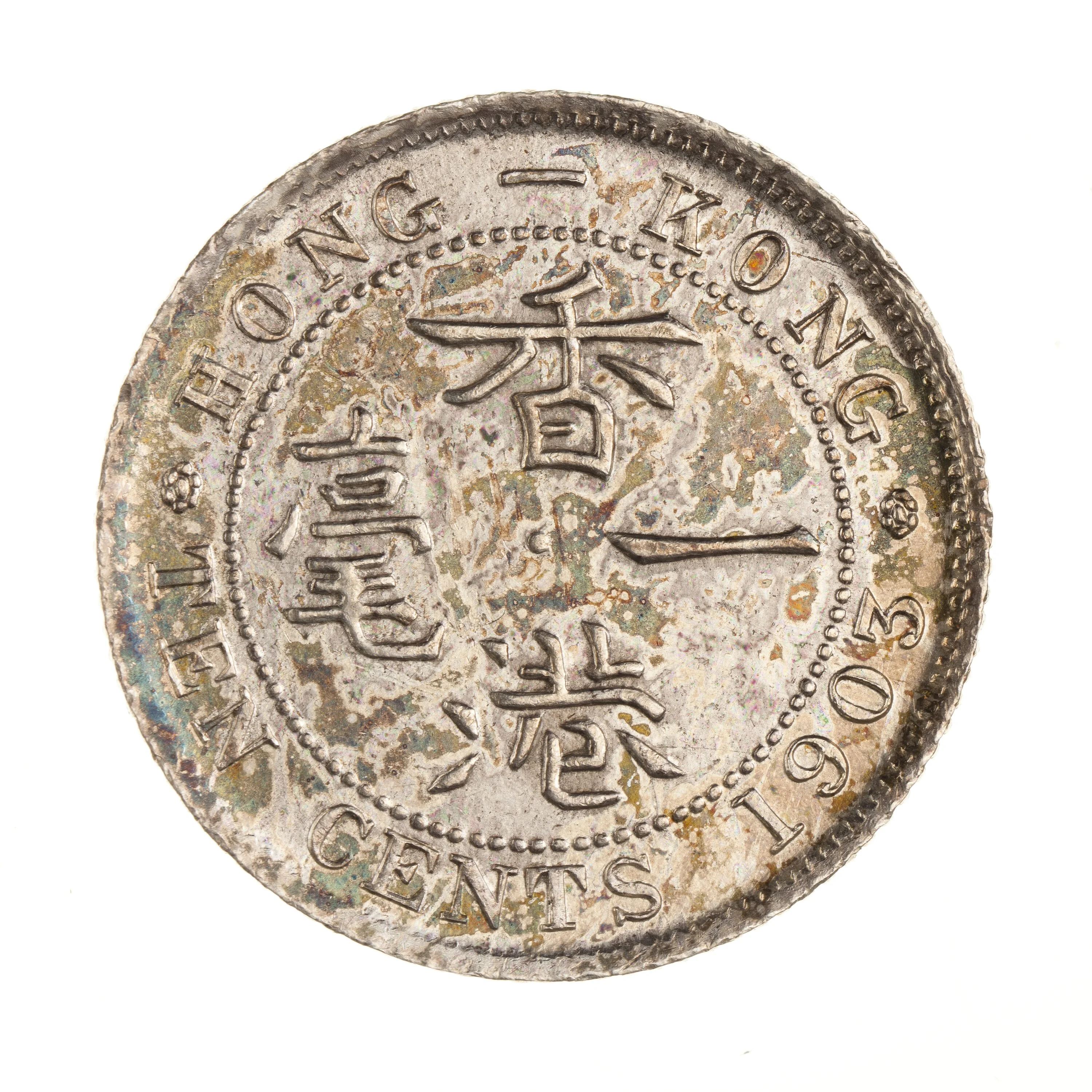
Reverse
Edge
Reeded
Mints
| Name | Mark |
|---|---|
| Royal Mint (Tower Hill) | — |
Mintings
| Year | Mint Mark | Mintage | Quality | Collection |
|---|---|---|---|---|
| 1902 | — | 18,000,000 | ||
| 1902 | — | — | Proof | |
| 1903 | — | 25,000,000 | ||
| 1903 | — | — | Proof | |
| 1904 | — | 30,000,000 | ||
| 1904 | — | — | Proof | |
| 1905 | — | 33,487,000 | ||
| 1905 | — | — | Proof |
Historical background
In 1902, Hong Kong operated under a complex and often chaotic currency system, a direct legacy of its status as a major British trading port in a Chinese economic sphere. The official unit of account was the silver dollar, but the colony lacked a unified, government-issued coinage. Instead, circulation was dominated by a jumble of foreign silver coins, primarily the Mexican "Carolus" dollar, British trade dollars minted specifically for the East, and Japanese yen. The Hong Kong government did issue its own banknotes, but these were denominated in dollars and were redeemable for silver, making them effectively silver certificates rather than a fiat currency.
This reliance on physical silver tied Hong Kong's economy to the volatile global silver market. The late 19th century had seen a dramatic fall in the price of silver relative to gold, which was used by Britain and other major powers. This depreciation caused significant exchange rate instability with the pound sterling and complicated government accounting. Furthermore, the physical quality and weight of the various silver coins in circulation were constant sources of dispute in daily transactions, leading to inefficiency and frequent merchant disputes over the "chopped" coins that were often defaced with verification marks.
Recognising these problems, the colonial authorities had been attempting to reform the system for years. The pivotal Hong Kong Dollar Coinage Order in Council of 1902 was a major step, authorising the minting of a new, distinctive Hong Kong silver dollar coinage at the Bombay Mint. These new coins, featuring Britannia on the reverse, were intended to gradually replace the assortment of foreign dollars and establish a stable, local standard. Thus, 1902 stands as a transitional year, marking the definitive move toward a modern, government-controlled currency, though the full replacement of the old mixed silver circulation would take several more years to complete.
This reliance on physical silver tied Hong Kong's economy to the volatile global silver market. The late 19th century had seen a dramatic fall in the price of silver relative to gold, which was used by Britain and other major powers. This depreciation caused significant exchange rate instability with the pound sterling and complicated government accounting. Furthermore, the physical quality and weight of the various silver coins in circulation were constant sources of dispute in daily transactions, leading to inefficiency and frequent merchant disputes over the "chopped" coins that were often defaced with verification marks.
Recognising these problems, the colonial authorities had been attempting to reform the system for years. The pivotal Hong Kong Dollar Coinage Order in Council of 1902 was a major step, authorising the minting of a new, distinctive Hong Kong silver dollar coinage at the Bombay Mint. These new coins, featuring Britannia on the reverse, were intended to gradually replace the assortment of foreign dollars and establish a stable, local standard. Thus, 1902 stands as a transitional year, marking the definitive move toward a modern, government-controlled currency, though the full replacement of the old mixed silver circulation would take several more years to complete.
Series: 1902 Hong Kong circulation coins
🌱 Common