

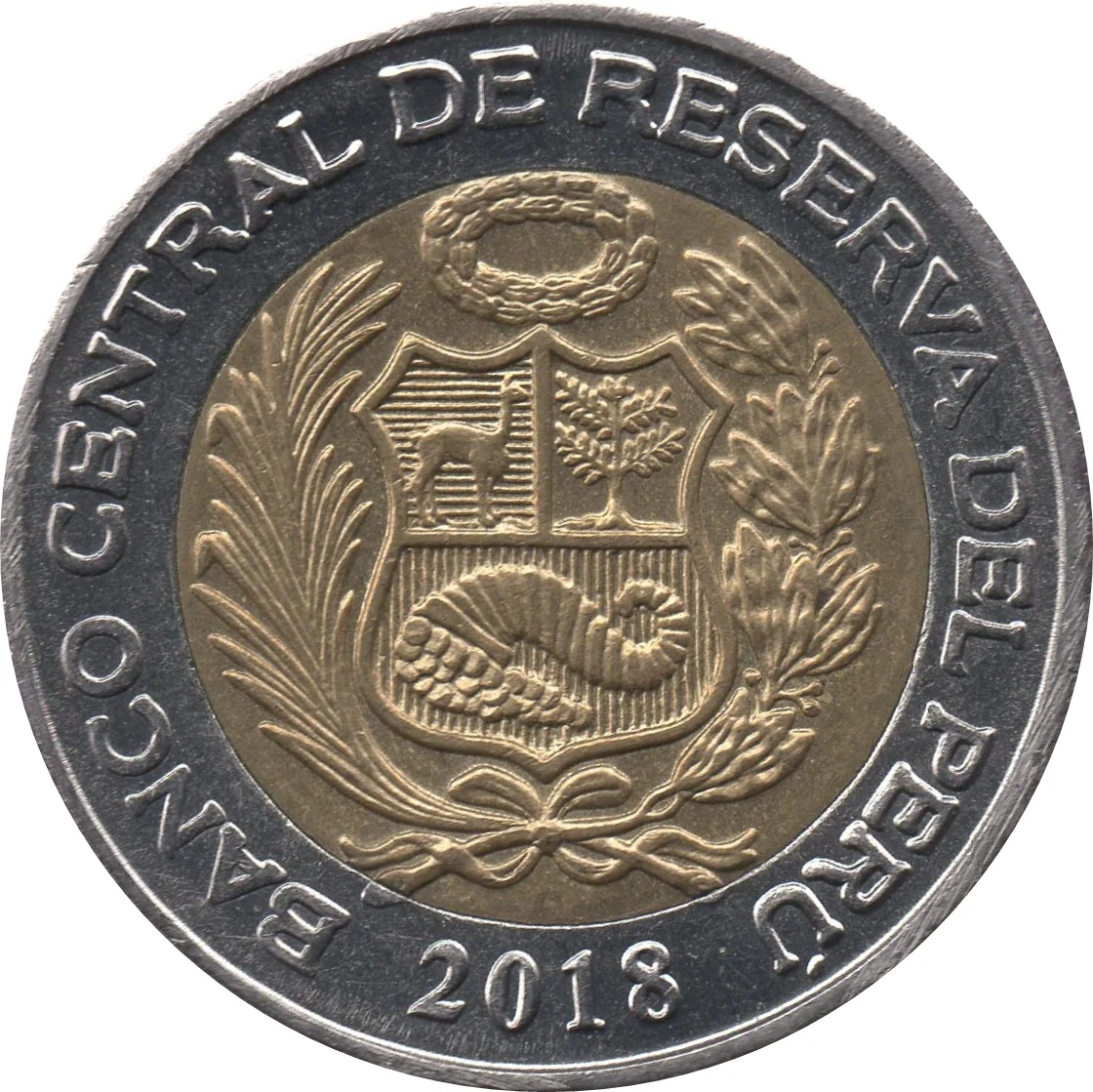
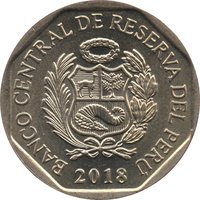
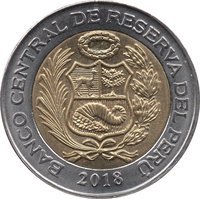
Obverse
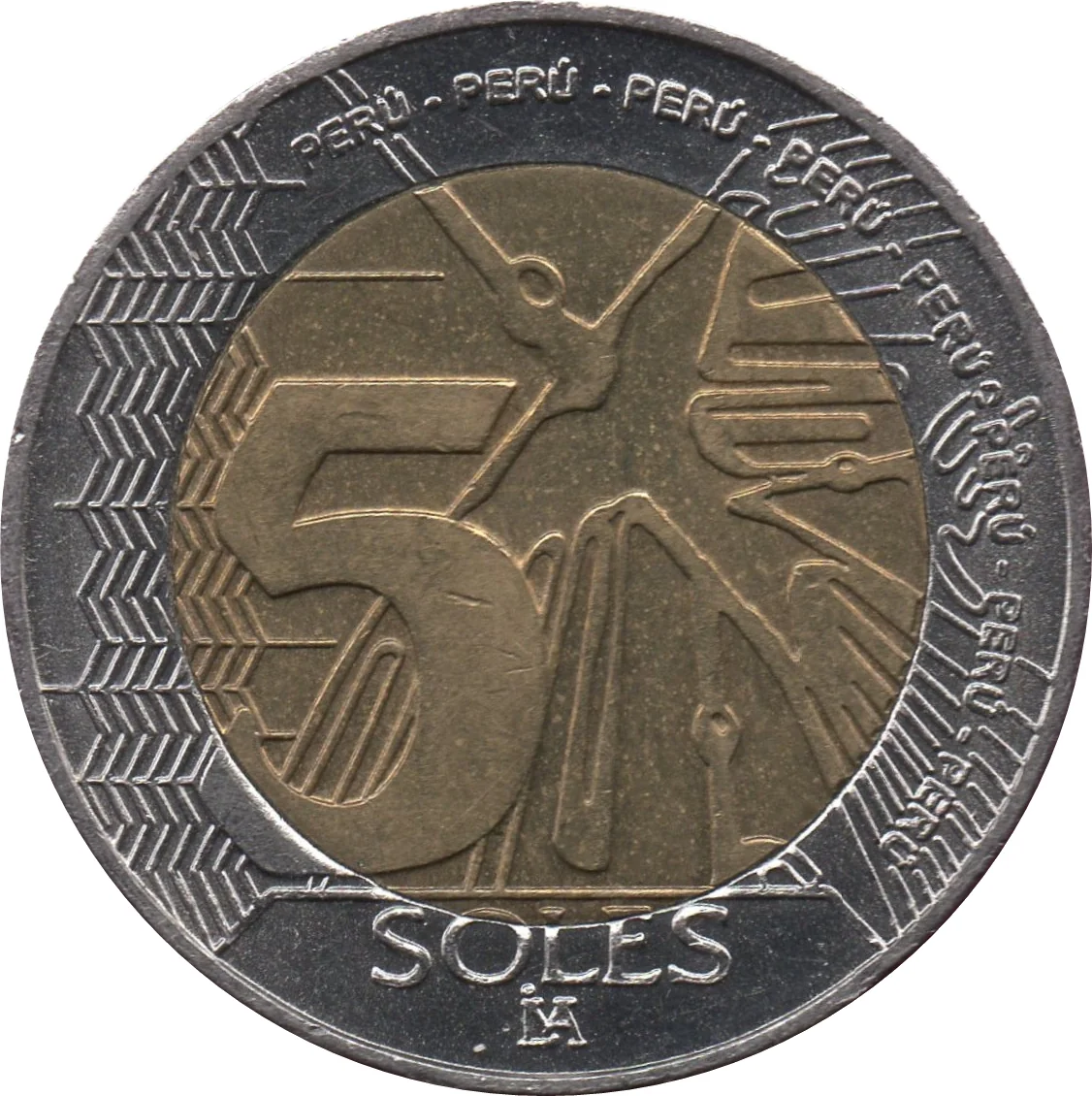
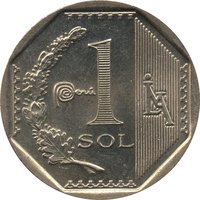
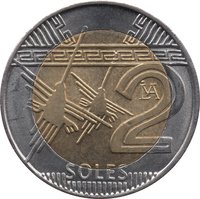
Reverse
Edge
Reeded
Categories
| Animal> Bird |
| Symbol> Cornucopia |
| Symbols> Coat of Arms |
Mints
| Name | Mark |
|---|---|
| Lima | LIMA |
Mintings
Historical background
In 2016, Peru's currency, the sol (PEN), demonstrated notable resilience amidst global and regional economic turbulence. While many emerging market currencies faced significant depreciation due to a strong US dollar and low commodity prices, the sol was one of the most stable currencies in Latin America that year. This strength was underpinned by Peru's sound macroeconomic fundamentals, including low public debt, substantial foreign reserves, and a credible inflation-targeting regime managed by the Central Reserve Bank of Peru (BCRP).
The primary challenge for the BCRP in 2016 was managing inflationary pressures stemming from a sharp depreciation of the sol in late 2015, which was driven by falling prices for Peru's key mineral exports like copper. To combat inflation and stabilize the currency, the central bank intervened in the foreign exchange market by selling dollars from its reserves and raised its benchmark interest rate several times throughout the year, reaching 4.25% by December. These measures were largely successful; annual inflation peaked at 4.6% in mid-2016—above the target range's 1-3% ceiling—before beginning a gradual decline, while the sol stabilized and even appreciated slightly against the dollar in the latter half of the year.
Overall, the currency situation in 2016 reflected a period of successful stabilization after external shocks. The economy grew at a moderate pace of 4.0%, supported by a recovery in mining output. The BCRP's proactive policy management helped anchor expectations, ensuring that temporary inflationary spikes did not become unmoored. Consequently, by year's end, Peru's currency framework had reaffirmed its reputation for stability, providing a solid platform for economic growth despite a challenging international environment for commodity exporters.
The primary challenge for the BCRP in 2016 was managing inflationary pressures stemming from a sharp depreciation of the sol in late 2015, which was driven by falling prices for Peru's key mineral exports like copper. To combat inflation and stabilize the currency, the central bank intervened in the foreign exchange market by selling dollars from its reserves and raised its benchmark interest rate several times throughout the year, reaching 4.25% by December. These measures were largely successful; annual inflation peaked at 4.6% in mid-2016—above the target range's 1-3% ceiling—before beginning a gradual decline, while the sol stabilized and even appreciated slightly against the dollar in the latter half of the year.
Overall, the currency situation in 2016 reflected a period of successful stabilization after external shocks. The economy grew at a moderate pace of 4.0%, supported by a recovery in mining output. The BCRP's proactive policy management helped anchor expectations, ensuring that temporary inflationary spikes did not become unmoored. Consequently, by year's end, Peru's currency framework had reaffirmed its reputation for stability, providing a solid platform for economic growth despite a challenging international environment for commodity exporters.
🌱 Common