

5 para – Baghdad Eyalet
Add to wishlist
Iraq
Context
Year: 1839
Islamic (Hijri) Year:: 1255
Country: Iraq
Issuer: Baghdad Eyalet
Ruler: Abdulmejid I
Currency:
(1688—1844)
Demonetized: Yes
References
KM: #
Numista: #115323
Obverse
Description:
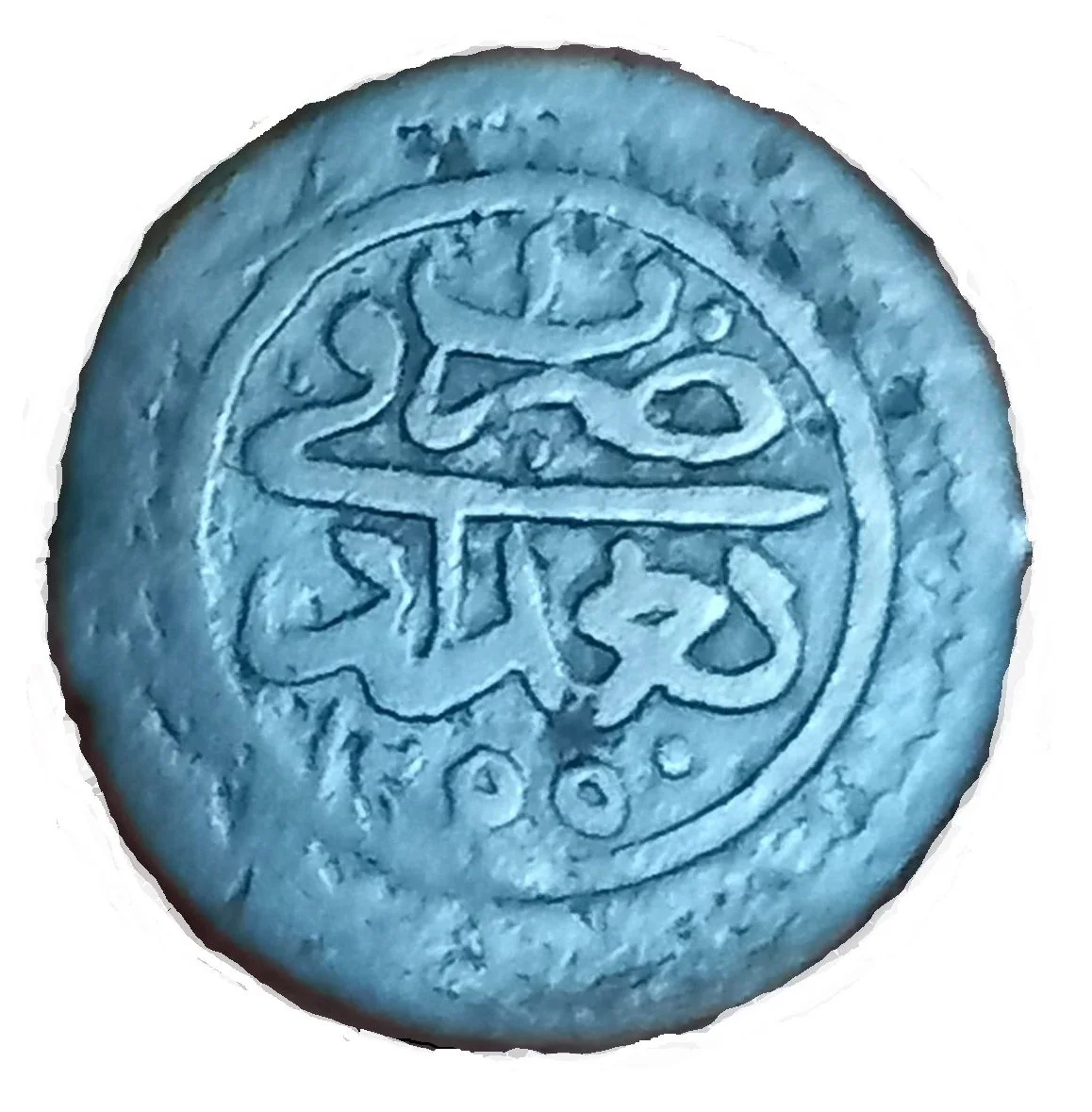
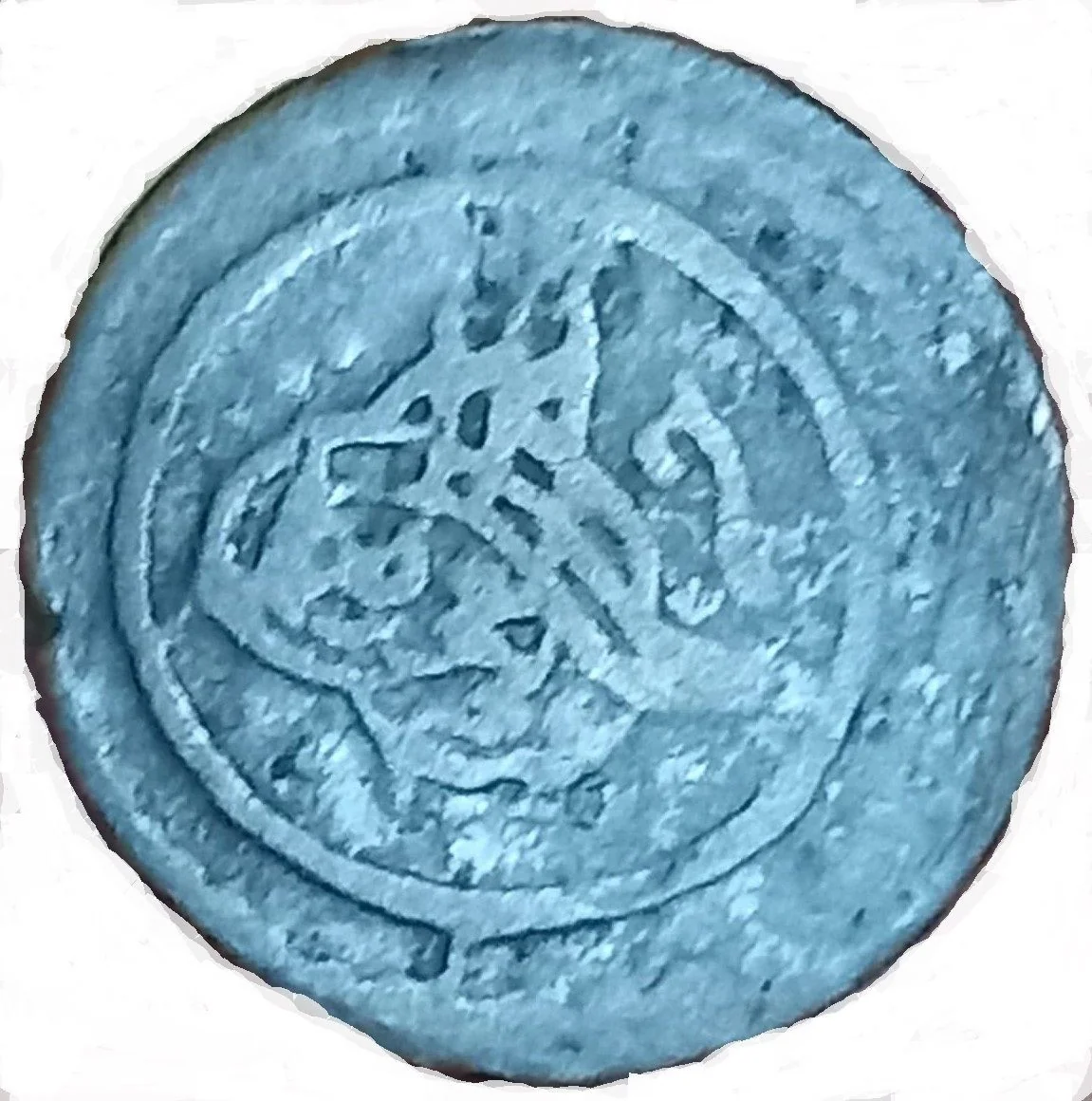
Flower beside Tughra in inner ring.
Reverse
Description:
Mint mark and date inside circle.
Inscription:
١
ضرب
فى
بغداد
١٢٥٥
ضرب
فى
بغداد
١٢٥٥
Translation:
Struck in Baghdad 1255.
Language: Arabic
Edge
© alibadrsaleh (CC BY-SA)
Mintings
| Year | Mint Mark | Mintage | Quality | Collection |
|---|---|---|---|---|
| 1839 | — | — |
Historical background
In 1839, the currency situation in Baghdad Eyalet, a vast Ottoman province encompassing much of modern-day Iraq, was characterized by profound monetary chaos and fragmentation. The Ottoman central government's attempts at financial reform, notably the 1844 establishment of a unified Ottoman lira, were still in the future. Consequently, the eyalet operated with a bewildering array of coins in circulation. These included officially minted Ottoman kurush and para, but also a multitude of older, debased Ottoman issues, foreign coins (especially Spanish and Mexican silver dollars, known locally as riyals), and even clipped and counterfeit pieces. The value of these coins was not fixed by a central bank but fluctuated based on their metallic content and the whims of local money changers (sarrafs), leading to constant instability in daily transactions.
This monetary disarray was exacerbated by the province's relative autonomy under the rule of powerful Mamluk and later Ottoman governors, who often exercised control over the local mint in Baghdad. While the mint produced coins in the Sultan's name, provincial authorities could and did manipulate silver content, leading to a divergence between the nominal and intrinsic value of locally struck currency. Furthermore, the reliance on foreign silver coins highlighted both Baghdad's integration into Indian Ocean trade networks and the weakness of the central Ottoman currency. For merchants and the population, this system created a complex and risky economic environment where trade depended on the expertise of money changers to assess and exchange this heterogeneous mix of specie.
The core of the problem was the absence of a standardized, trusted currency that could facilitate taxation, government payments, and commerce across the eyalet. This financial fragmentation mirrored the wider administrative and political challenges faced by the Ottoman Empire in its distant provinces. The currency chaos of 1839, therefore, was not merely a monetary issue but a symptom of the weakening imperial control and the pressing need for the comprehensive centralizing reforms that would soon be enacted under the Tanzimat period.
This monetary disarray was exacerbated by the province's relative autonomy under the rule of powerful Mamluk and later Ottoman governors, who often exercised control over the local mint in Baghdad. While the mint produced coins in the Sultan's name, provincial authorities could and did manipulate silver content, leading to a divergence between the nominal and intrinsic value of locally struck currency. Furthermore, the reliance on foreign silver coins highlighted both Baghdad's integration into Indian Ocean trade networks and the weakness of the central Ottoman currency. For merchants and the population, this system created a complex and risky economic environment where trade depended on the expertise of money changers to assess and exchange this heterogeneous mix of specie.
The core of the problem was the absence of a standardized, trusted currency that could facilitate taxation, government payments, and commerce across the eyalet. This financial fragmentation mirrored the wider administrative and political challenges faced by the Ottoman Empire in its distant provinces. The currency chaos of 1839, therefore, was not merely a monetary issue but a symptom of the weakening imperial control and the pressing need for the comprehensive centralizing reforms that would soon be enacted under the Tanzimat period.

✨ Legendary