

2 para – Baghdad Eyalet
Add to wishlist
Iraq
Context
Year: 1834
Islamic (Hijri) Year:: 1249
Country: Iraq
Issuer: Baghdad Eyalet
Ruler: Mahmud II
Currency:
(1688—1844)
Demonetized: Yes
References
KM: #
Numista: #142408
Obverse
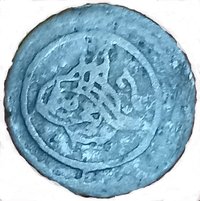
Description:
Star of David containing a star and crescent.
Reverse
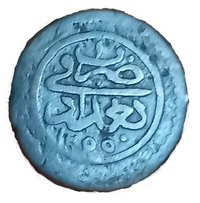
Description:
Regnal year, mint, date in dotted circle.
Edge
Mintings
| Year | Mint Mark | Mintage | Quality | Collection |
|---|---|---|---|---|
| 1834 | — | — |
Historical background
In 1834, the currency situation in Baghdad Eyalet was characterized by profound monetary chaos and fragmentation, a direct legacy of prolonged Mamluk rule and weak central Ottoman control. The primary unit of account was the piastre (kuruş), but its value was highly unstable due to the widespread circulation of debased and counterfeit coins. The local economy relied heavily on a confusing mix of older Ottoman coins, Spanish silver dollars (riyals), Persian krans, and a variety of regional and tribal issues, leading to erratic exchange rates and hindering trade.
This instability was exacerbated by the financial demands of the Ottoman central government, which, under Sultan Mahmud II, was engaged in expensive military modernizations and the suppression of regional powers like the Mamluks. To meet imperial tax quotas and fund local administration, Baghdad’s governors often resorted to currency manipulation, such as issuing heavily alloyed silver coins or forcibly changing the official valuation of currencies. This practice, known as tağşiş, eroded public trust and caused frequent price inflation, particularly in basic commodities, burdening the urban population and peasantry.
The situation reflected the broader struggle for sovereignty, as the Ottoman Empire sought to reassert direct control over the eyalet following the overthrow of the last Mamluk governor in 1831. The currency disorder was not merely an economic issue but a political one, symbolizing the breakdown of centralized authority. It would take the subsequent reforms of the Tanzimat period, particularly the standardization of coinage and the imposition of a unified monetary system, to begin resolving Baghdad's monetary disarray later in the 19th century.
This instability was exacerbated by the financial demands of the Ottoman central government, which, under Sultan Mahmud II, was engaged in expensive military modernizations and the suppression of regional powers like the Mamluks. To meet imperial tax quotas and fund local administration, Baghdad’s governors often resorted to currency manipulation, such as issuing heavily alloyed silver coins or forcibly changing the official valuation of currencies. This practice, known as tağşiş, eroded public trust and caused frequent price inflation, particularly in basic commodities, burdening the urban population and peasantry.
The situation reflected the broader struggle for sovereignty, as the Ottoman Empire sought to reassert direct control over the eyalet following the overthrow of the last Mamluk governor in 1831. The currency disorder was not merely an economic issue but a political one, symbolizing the breakdown of centralized authority. It would take the subsequent reforms of the Tanzimat period, particularly the standardization of coinage and the imposition of a unified monetary system, to begin resolving Baghdad's monetary disarray later in the 19th century.

✨ Legendary