

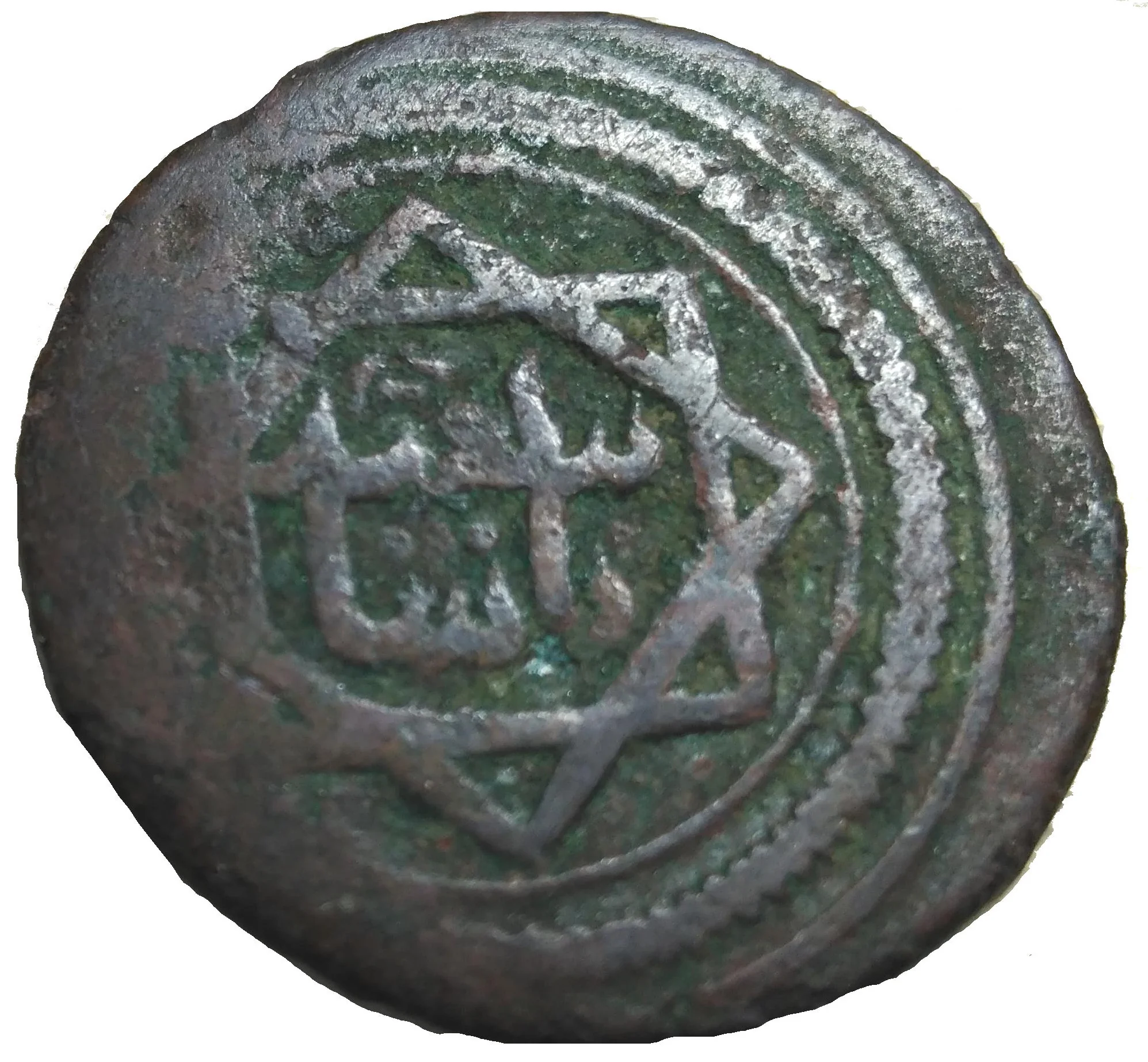
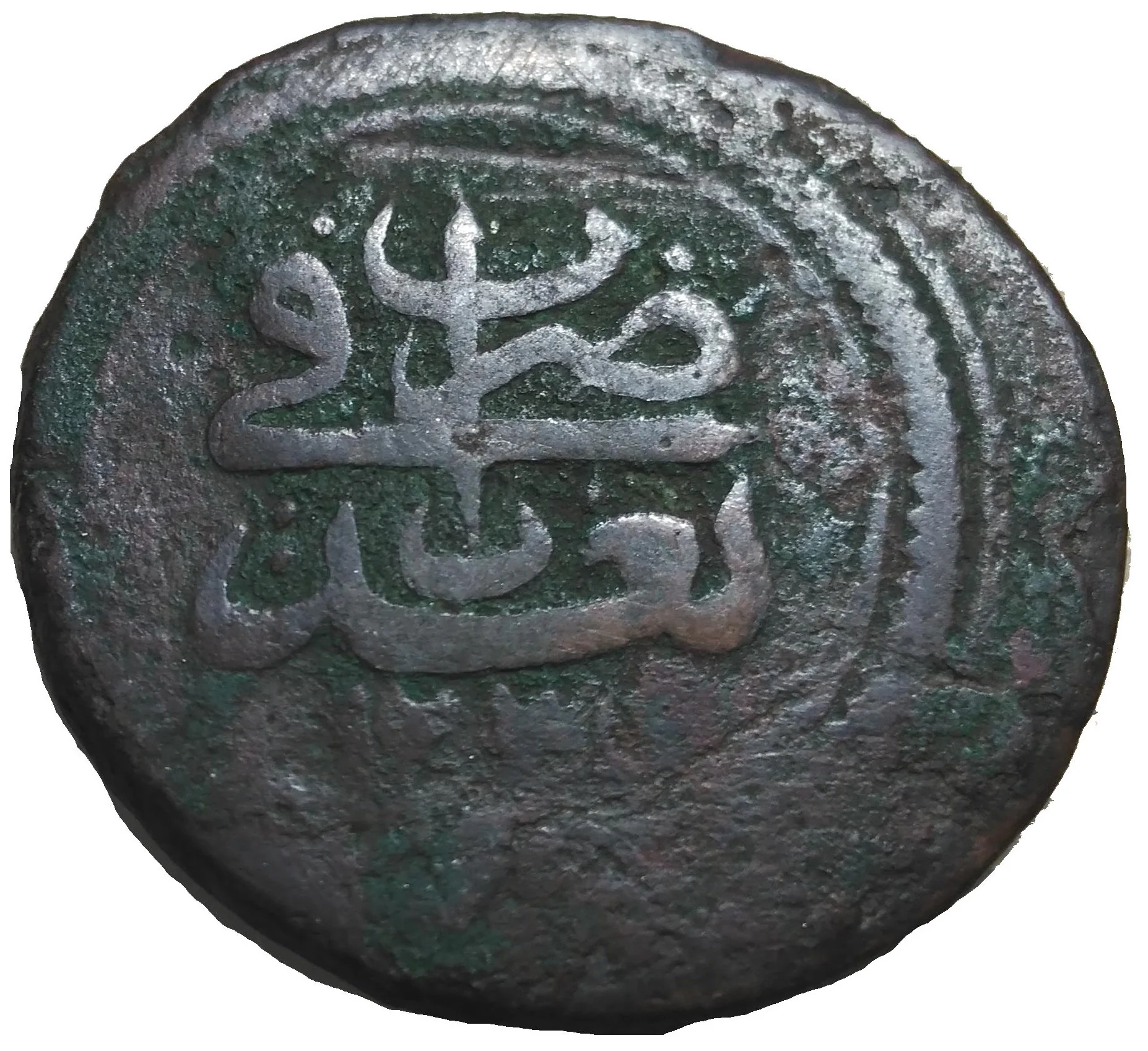
5 para – Baghdad Eyalet
Add to wishlist
Iraq
Context
Year: 1815
Islamic (Hijri) Year:: 1231
Country: Iraq
Issuer: Baghdad Eyalet
Currency:
(1688—1844)
Demonetized: Yes
Material
References
KM: #
Numista: #115320
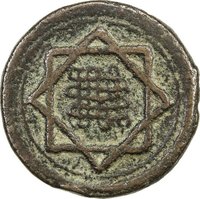
Obverse
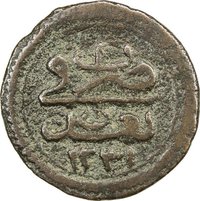
Reverse
Edge
Mintings
| Year | Mint Mark | Mintage | Quality | Collection |
|---|---|---|---|---|
| 1815 | — | — |
Historical background
In 1815, the currency situation in Baghdad Eyalet, a vast Ottoman province encompassing much of modern-day Iraq, was characterized by severe instability and complexity. The primary unit of account was the Ottoman kuruş (piastre), but the local economy was saturated with a chaotic mix of physical currencies. These included not only Ottoman coins of varying and often debased silver content but also a flood of foreign silver coins, most notably the Austrian Maria Theresa thaler and various Persian silver qirans. This proliferation created a multi-tiered system where the value of coins depended on their weight, purity, and origin rather than their face value, leading to constant exchange fluctuations and widespread confusion in trade.
The root of this monetary chaos lay in the weak central control from Istanbul and the autonomous power of the local Mamluk pashas, who governed Baghdad with significant independence. The provincial treasury, often depleted, frequently resorted to debasing the silver coinage struck at the Baghdad mint to cover short-term expenses, further eroding public trust. Merchants and money changers (sarrafs) therefore became essential economic actors, arbitrating between different coinages and establishing daily exchange rates, which added transaction costs and risk to commerce. The circulation of counterfeit coins was also a persistent problem, exacerbating the lack of a reliable standard.
Consequently, the monetary disorder of 1815 reflected and reinforced the broader political and economic fragmentation of the eyalet. It hampered efficient tax collection, complicated long-distance trade, and created a financial environment of uncertainty that burdened both the peasantry and the merchant classes. This unstable system would persist until the Ottoman reforms of the later Tanzimat period, which sought, with limited success in Baghdad, to impose standardized currency and central financial control across the empire.
The root of this monetary chaos lay in the weak central control from Istanbul and the autonomous power of the local Mamluk pashas, who governed Baghdad with significant independence. The provincial treasury, often depleted, frequently resorted to debasing the silver coinage struck at the Baghdad mint to cover short-term expenses, further eroding public trust. Merchants and money changers (sarrafs) therefore became essential economic actors, arbitrating between different coinages and establishing daily exchange rates, which added transaction costs and risk to commerce. The circulation of counterfeit coins was also a persistent problem, exacerbating the lack of a reliable standard.
Consequently, the monetary disorder of 1815 reflected and reinforced the broader political and economic fragmentation of the eyalet. It hampered efficient tax collection, complicated long-distance trade, and created a financial environment of uncertainty that burdened both the peasantry and the merchant classes. This unstable system would persist until the Ottoman reforms of the later Tanzimat period, which sought, with limited success in Baghdad, to impose standardized currency and central financial control across the empire.

✨ Legendary