

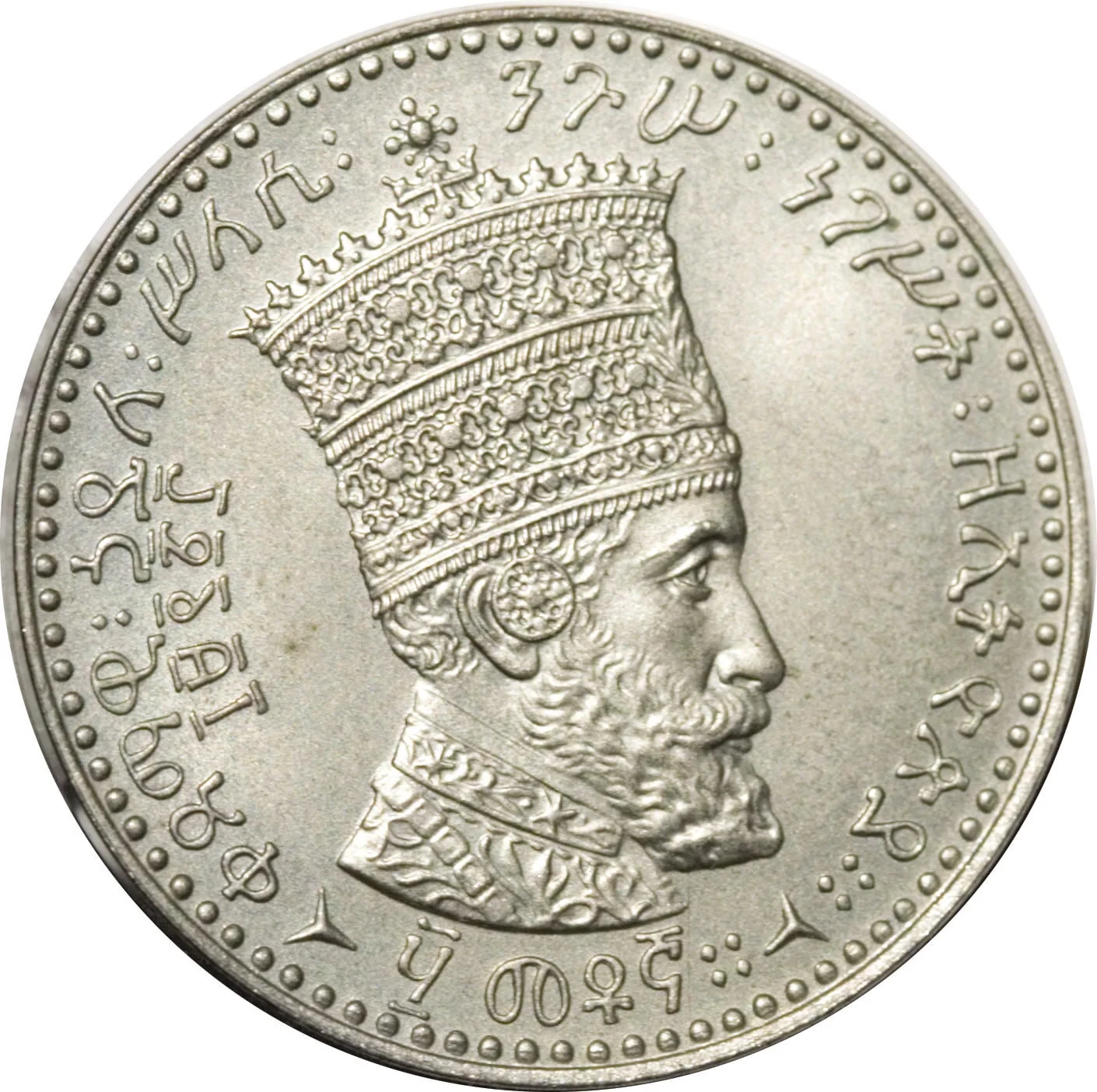
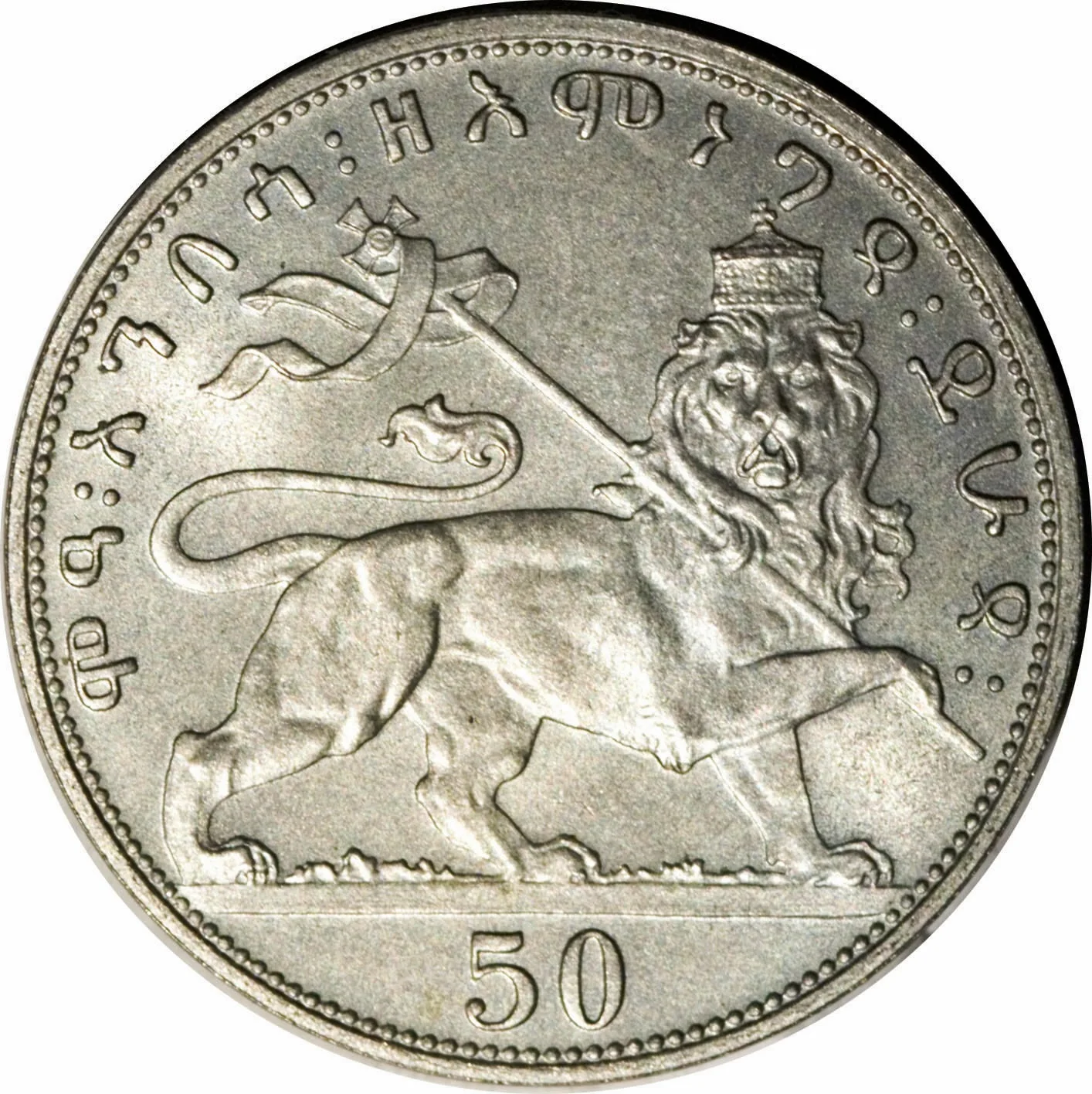
50 matonas – Ethiopian Empire
Add to wishlist
Ethiopia
Context
Year: 1931
Ethiopian Year:: 1923
Country: Ethiopia
Issuer: Ethiopian Empire
Ruler: Haile Selassie I
Currency:
(1931—1936)
Demonetized: Yes
Total mintage: 1,621,256
Material
References
KM: #
Numista: #9331
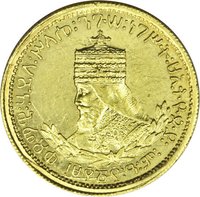
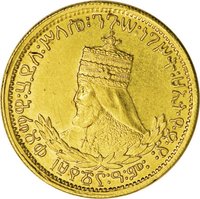
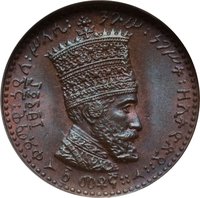
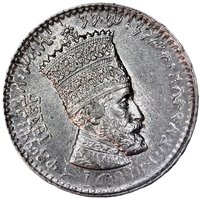
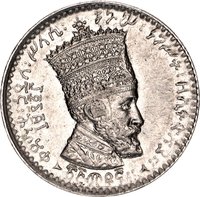
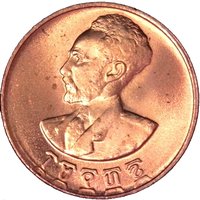
Obverse
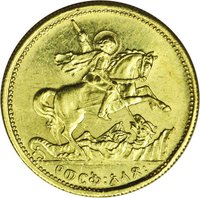
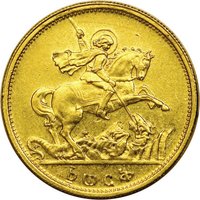
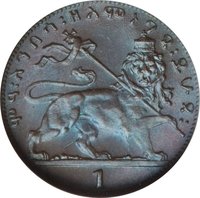
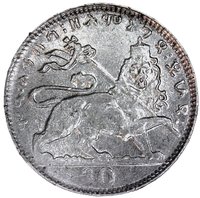
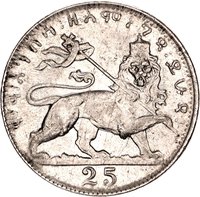
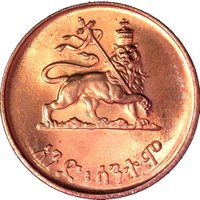
Reverse
Edge
Plain
Mints
| Name | Mark |
|---|---|
| Addis Ababa | — |
Mintings
| Year | Mint Mark | Mintage | Quality | Collection |
|---|---|---|---|---|
| 1931 | — | 1,621,256 |
Historical background
In 1931, the Ethiopian Empire operated under a complex and traditional monetary system, largely untouched by the formal banking institutions common in the West. The primary currency in circulation was the Maria Theresa thaler (MT$), a large silver coin minted in Austria but used extensively across the Horn of Africa and the Arabian Peninsula. Its widespread acceptance and consistent silver content made it the de facto standard for major transactions, trade, and state revenue. Alongside the thaler, a variety of older and often debased domestic coins, such as the ghersh and talari, circulated at fluctuating rates, while salt bars (amole) and other commodities still served as money in more remote regions. This system was cumbersome, reliant on physical imports of foreign coin, and ill-suited for a modernizing state.
Emperor Haile Selassie I, crowned in 1930, recognized this monetary fragmentation as a significant obstacle to his centralization and modernization reforms. The year 1931 was pivotal, as it saw the introduction of the nation's first written constitution and a concerted push for economic sovereignty. A key part of this project was the establishment of the Bank of Abyssinia (note: the bank, originally founded in 1905 under British influence, was in a transitional phase; Haile Selassie would replace it with the state-owned Bank of Ethiopia in 1932). The intent was to create a national currency to replace the thaler, centralize control over money, and finance state-led development.
Therefore, the currency situation in 1931 was one of transition and deliberate change. While the traditional, multi-currency system still functioned in daily life, the imperial government was actively laying the groundwork for a profound monetary reform. The drive to issue a stable, nationally-controlled paper currency and decimal coinage was well underway, symbolizing Ethiopia's assertion of its economic independence in the face of growing colonial pressures in the region. This reform would culminate in the introduction of the Ethiopian birr in the following years.
Emperor Haile Selassie I, crowned in 1930, recognized this monetary fragmentation as a significant obstacle to his centralization and modernization reforms. The year 1931 was pivotal, as it saw the introduction of the nation's first written constitution and a concerted push for economic sovereignty. A key part of this project was the establishment of the Bank of Abyssinia (note: the bank, originally founded in 1905 under British influence, was in a transitional phase; Haile Selassie would replace it with the state-owned Bank of Ethiopia in 1932). The intent was to create a national currency to replace the thaler, centralize control over money, and finance state-led development.
Therefore, the currency situation in 1931 was one of transition and deliberate change. While the traditional, multi-currency system still functioned in daily life, the imperial government was actively laying the groundwork for a profound monetary reform. The drive to issue a stable, nationally-controlled paper currency and decimal coinage was well underway, symbolizing Ethiopia's assertion of its economic independence in the face of growing colonial pressures in the region. This reform would culminate in the introduction of the Ethiopian birr in the following years.
🌱 Common