

25 Pence (Queen Elizabeth II and Prince Philip) – Isle of Man
Non-circulating coins
Commemoration: 25th Wedding Anniversary of Queen Elizabeth II and Prince Philip
Context
Year: 1972
Country: British Crown dependencies
Issuer: Isle of Man 
Ruler: Elizabeth II
Currency:
(since 1971)
Total mintage: 15,000
Material
References
KM: #Click to copy to clipboard25a
Numista: #92713
Value
Exchange value: 0.25 IMP
Bullion value: $75.60
Obverse
Description:
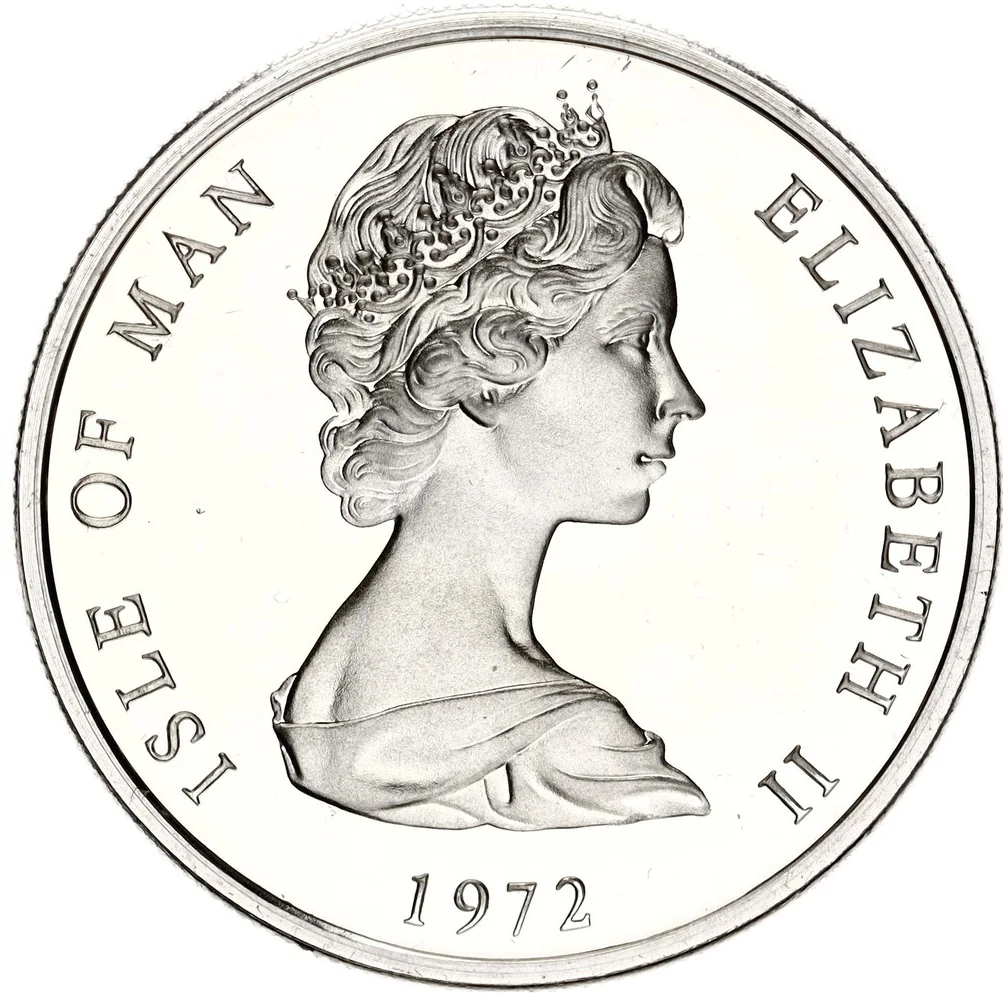
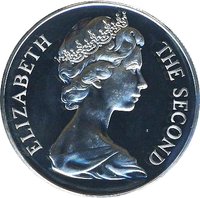
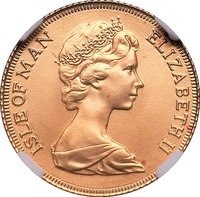
Queen Elizabeth II in right profile, wearing the Girls of Great Britain and Ireland Tiara.
Inscription:
ISLE OF MAN
ELIZABETH II
1972
ELIZABETH II
1972
Translation:
ISLE OF MAN
ELIZABETH II
1972
ELIZABETH II
1972
Script: Latin
Language: English
Engraver: Arnold Machin
Reverse
Description:
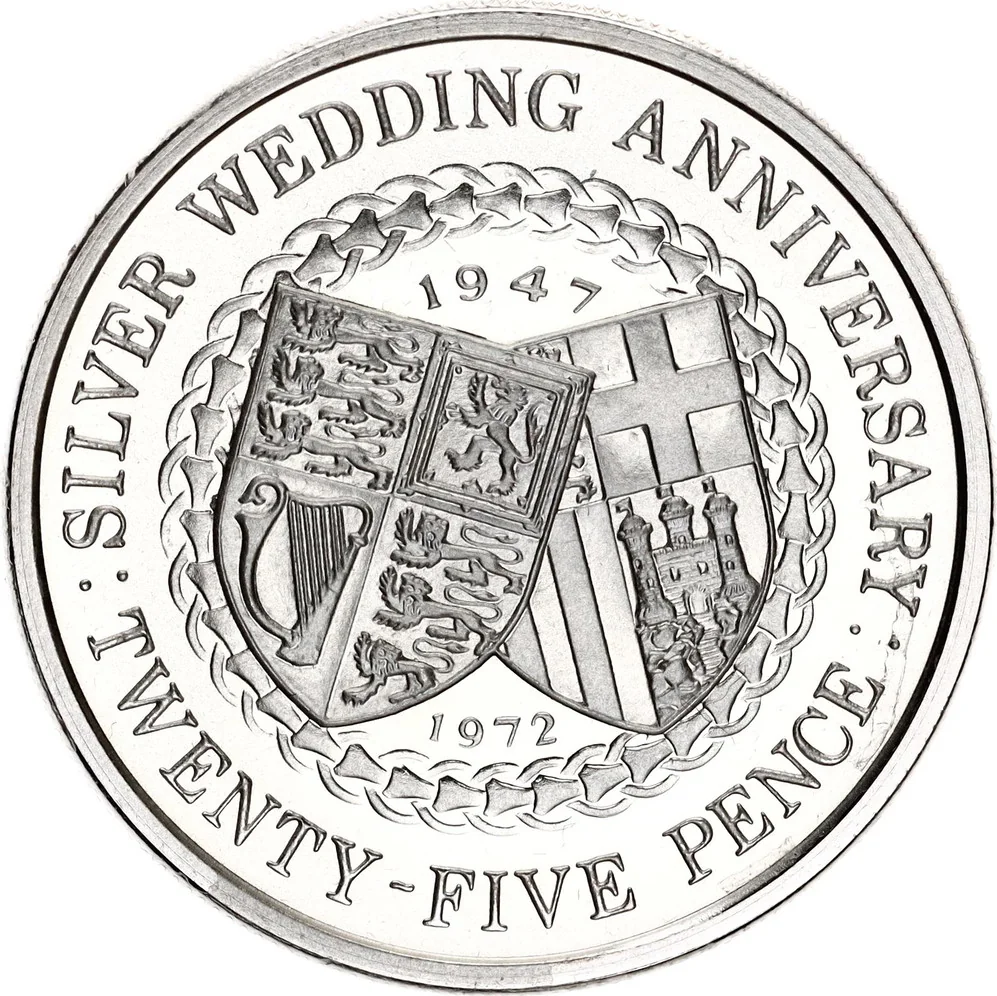
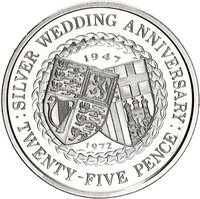
Arms angled in a rope circle.
Inscription:
SILVER WEDDING ANNIVERSARY
TWENTY-FIVE PENCE
1972
TWENTY-FIVE PENCE
1972
Script: Latin
Edge
Reeded
Mints
| Name | Mark |
|---|---|
| Pobjoy Mint | — |
Mintings
| Year | Mint Mark | Mintage | Quality | Collection |
|---|---|---|---|---|
| 1972 | — | 15,000 | Proof |
Historical background
In 1972, the Isle of Man was navigating a pivotal shift in its monetary system, moving away from direct reliance on the British pound sterling. Prior to this, the Island, as a British Crown Dependency, used sterling banknotes issued by UK clearing banks and its own limited supply of Manx government notes. However, the UK's decimalisation in 1971 and a desire for greater economic identity prompted the Tynwald (Manx parliament) to pass the Currency Act 1971. This legislation established the Isle of Man's own independent decimal currency, the Manx pound, which would remain at parity with sterling but be issued by a newly created government body.
The key change implemented in 1972 was the introduction of distinctive Manx banknotes and coins. The Isle of Man Government took over the issuance of all paper currency, replacing the English and Scottish banknotes in circulation with its own designs featuring iconic Manx imagery like the Manx Loaghtan sheep and the Three Legs of Man emblem. While the new Manx pound (£) maintained a 1:1 fixed exchange rate with sterling and was legally acceptable across the UK, it was not legal tender there, creating a practical one-way fungibility.
This reform was fundamentally an assertion of constitutional autonomy rather than a move for monetary independence. The Island continued to peg its currency to sterling and its economy remained deeply integrated with the UK's. The 1972 currency situation thus represented a careful balancing act: securing a visible symbol of national identity and retaining control over seigniorage profits, while ensuring full economic stability by remaining within the sterling area. This established the framework for the Island's distinctive, yet Sterling-backed, currency that continues to this day.
The key change implemented in 1972 was the introduction of distinctive Manx banknotes and coins. The Isle of Man Government took over the issuance of all paper currency, replacing the English and Scottish banknotes in circulation with its own designs featuring iconic Manx imagery like the Manx Loaghtan sheep and the Three Legs of Man emblem. While the new Manx pound (£) maintained a 1:1 fixed exchange rate with sterling and was legally acceptable across the UK, it was not legal tender there, creating a practical one-way fungibility.
This reform was fundamentally an assertion of constitutional autonomy rather than a move for monetary independence. The Island continued to peg its currency to sterling and its economy remained deeply integrated with the UK's. The 1972 currency situation thus represented a careful balancing act: securing a visible symbol of national identity and retaining control over seigniorage profits, while ensuring full economic stability by remaining within the sterling area. This established the framework for the Island's distinctive, yet Sterling-backed, currency that continues to this day.
⭐ Rare