

1 Centavo – Colombia
Colombia
Context
Years: 1918–1948
Issuer: Colombia 
Period:
(since 1886)
Currency:
(since 1847)
Total mintage: 43,960,174
Material
References
KM: #Click to copy to clipboard275
Numista: #9194
Value
Exchange value: 0.01 COP
Obverse
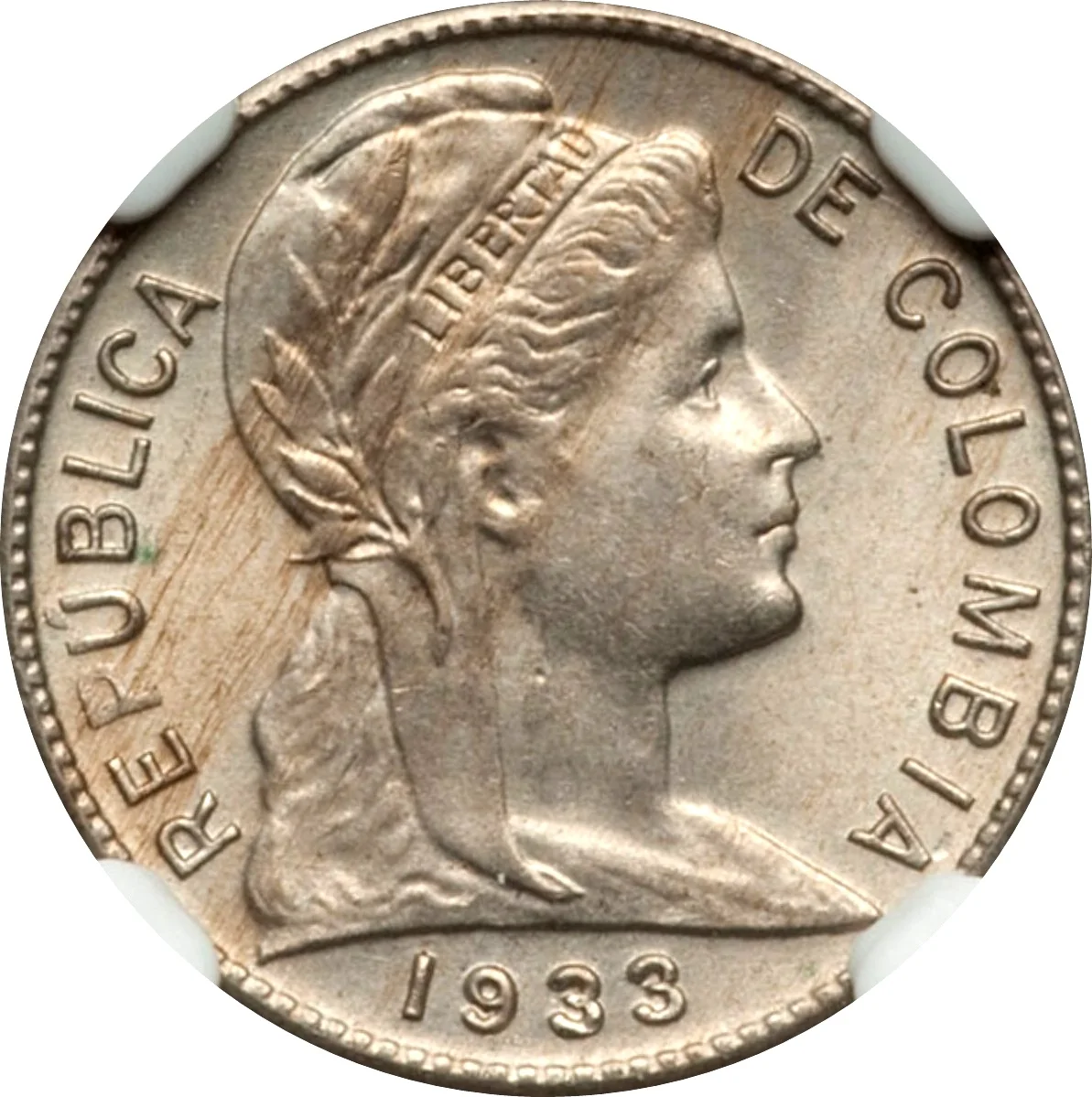
Description:
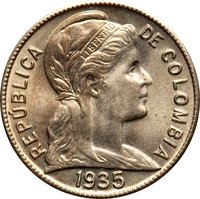
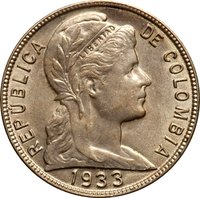
Liberty in Phrygian cap, facing right.
Inscription:
REPUBLICA DE COLOMBIA
LIBERTAD
1933
LIBERTAD
1933
Translation:
REPUBLIC OF COLOMBIA
LIBERTY
1933
LIBERTY
1933
Script: Latin
Language: Spanish
Engraver: John R. Sinnock
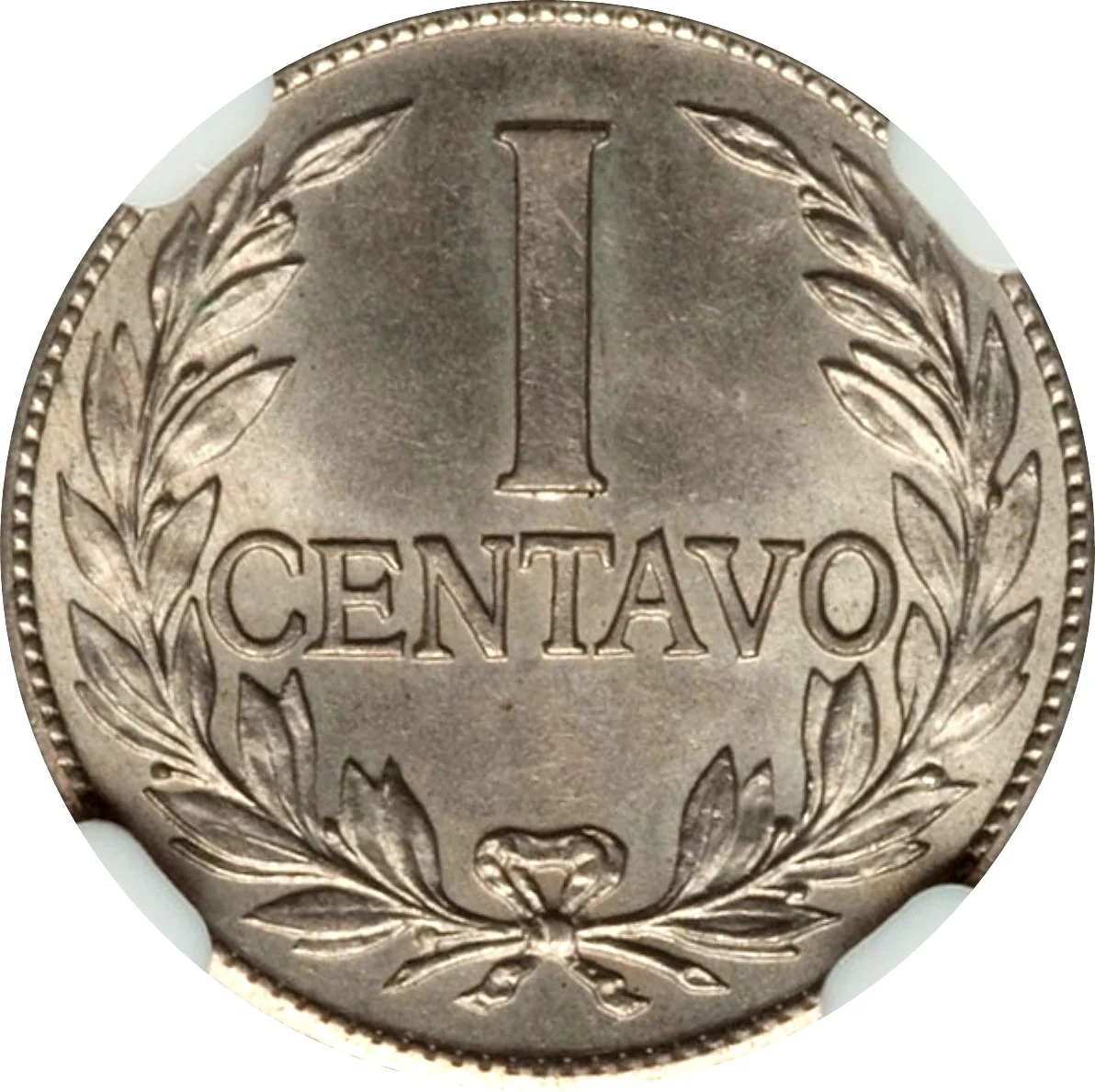
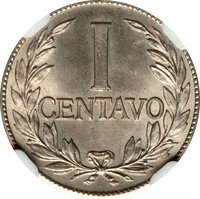
Reverse
Edge
Plain
Mintings
Historical background
In 1918, Colombia's currency system was in a state of significant transition and strain, emerging from the profound economic disruption of World War I. The country operated on a bimetallic standard, legally valuing both gold and silver coins, but in practice, the war had severed vital international trade and financial links. Crucially, the export of gold, a primary Colombian export, was severely restricted as belligerent nations hoarded the metal, causing a sharp decline in the gold circulating within the domestic economy. This created a scarcity of high-value currency, forcing a greater reliance on silver and paper money for daily transactions.
The period was marked by a pronounced currency duality and inflationary pressure. While the gold peso (peso oro) remained the official unit of account for international trade and large contracts, the circulating medium for most Colombians was the silver peso (peso plata) and notes issued by private banks. The fixed legal exchange rate between gold and silver (1:15) became increasingly divorced from market reality due to global fluctuations in silver value, leading to complex exchange problems. Furthermore, to address the currency shortage, the government authorized increased issuance of paper money by the Banco Central, which, without the discipline of gold convertibility, began to fuel inflation, eroding purchasing power.
This unstable environment set the stage for major monetary reform. The ad-hoc measures of the war years exposed the weaknesses of a decentralized and inconsistent system. The debates and experiences of 1918 directly catalyzed the creation of Colombia's first central bank, the Banco de la República, in 1923. The reforms aimed to unify the currency, establish a gold-exchange standard, and impose central control over money supply, seeking to provide the stability that the fragmented and crisis-exposed system of 1918 clearly lacked.
The period was marked by a pronounced currency duality and inflationary pressure. While the gold peso (peso oro) remained the official unit of account for international trade and large contracts, the circulating medium for most Colombians was the silver peso (peso plata) and notes issued by private banks. The fixed legal exchange rate between gold and silver (1:15) became increasingly divorced from market reality due to global fluctuations in silver value, leading to complex exchange problems. Furthermore, to address the currency shortage, the government authorized increased issuance of paper money by the Banco Central, which, without the discipline of gold convertibility, began to fuel inflation, eroding purchasing power.
This unstable environment set the stage for major monetary reform. The ad-hoc measures of the war years exposed the weaknesses of a decentralized and inconsistent system. The debates and experiences of 1918 directly catalyzed the creation of Colombia's first central bank, the Banco de la República, in 1923. The reforms aimed to unify the currency, establish a gold-exchange standard, and impose central control over money supply, seeking to provide the stability that the fragmented and crisis-exposed system of 1918 clearly lacked.
Series: 1918 Colombia circulation coins
🌱 Common