

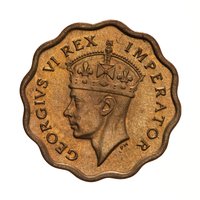
Obverse
Description:
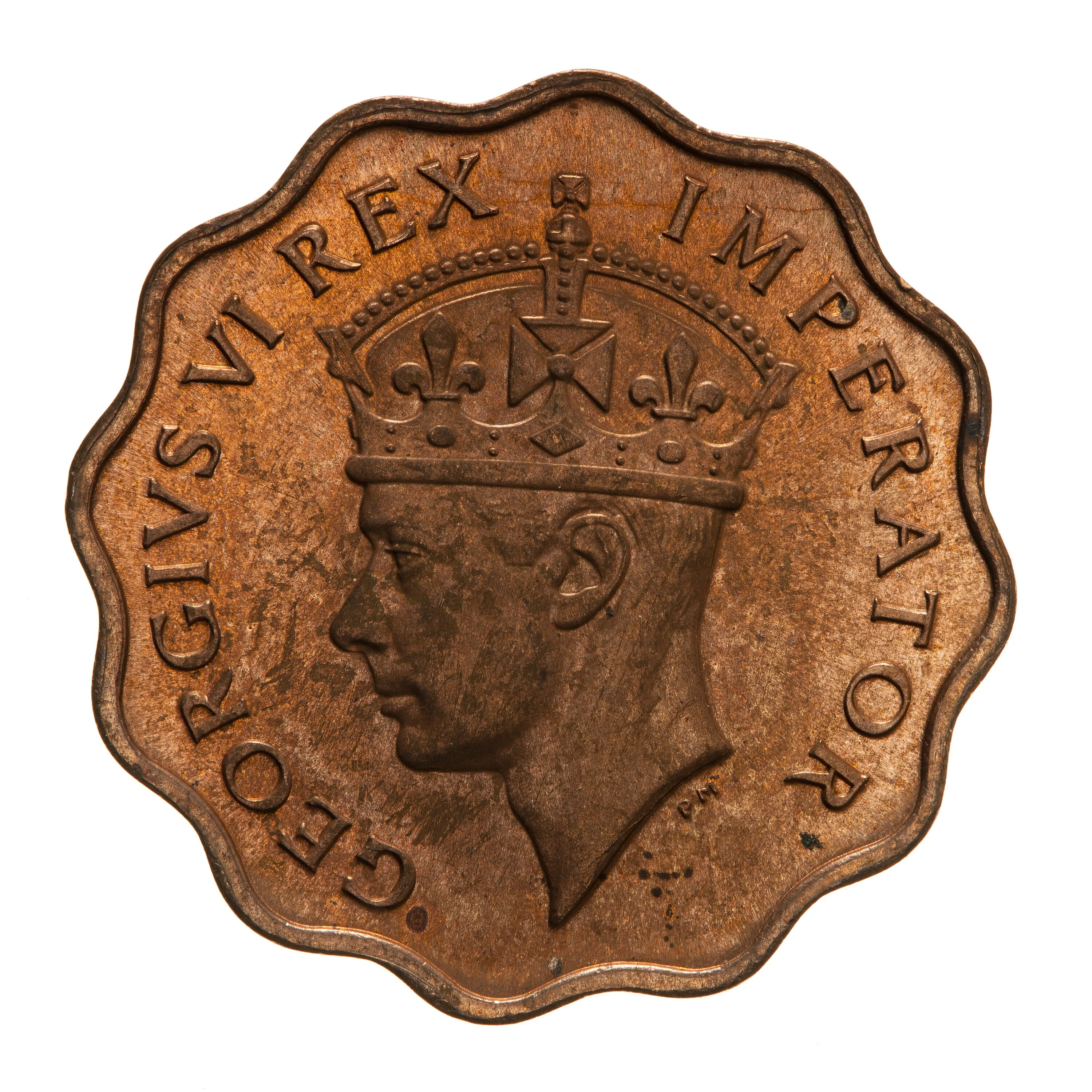
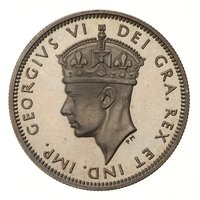
Portrait of King George VI
Inscription:
GEORGIVS VI REX IMPERATOR
PM
PM
Translation:
GEORGE VI KING EMPEROR
Script: Latin
Language: Latin
Engraver: Percy Metcalfe
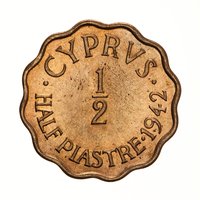
Reverse
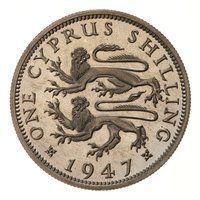
Inscription:
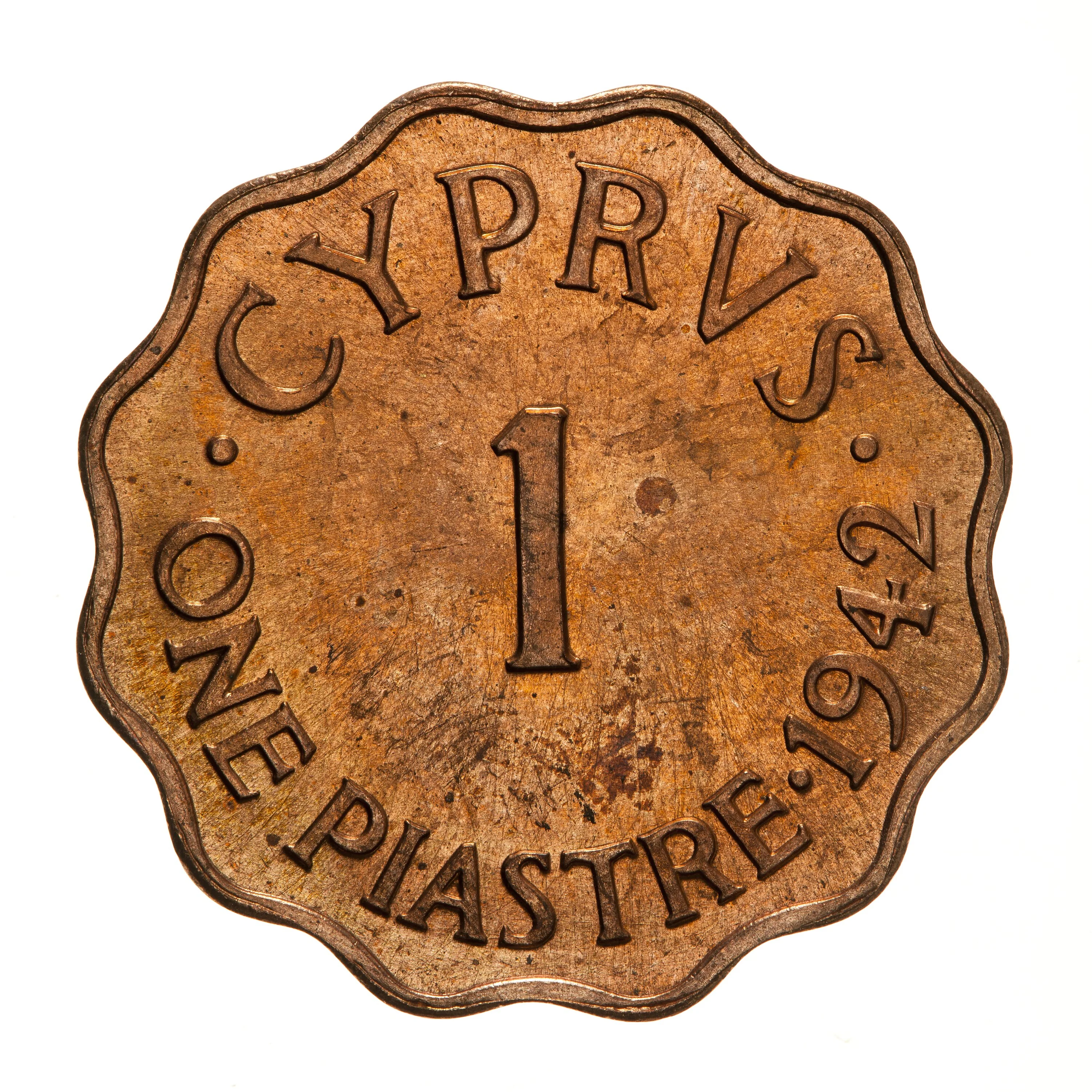
· CYPRVS ·
1
ONE PIASTRE · 1945
1
ONE PIASTRE · 1945
Script: Latin
Edge
Plain
Mints
| Name | Mark |
|---|---|
| Royal Mint (Tower Hill) | — |
Mintings
| Year | Mint Mark | Mintage | Quality | Collection |
|---|---|---|---|---|
| 1942 | — | 1,260,000 | ||
| 1942 | — | — | Proof | |
| 1943 | — | 2,520,000 | ||
| 1944 | — | 3,240,000 | ||
| 1945 | — | 1,080,000 | ||
| 1945 | — | — | Proof | |
| 1946 | — | 1,080,000 | ||
| 1946 | — | — | Proof |
Historical background
In 1942, Cyprus, then a British Crown Colony, was grappling with severe economic strain due to the Second World War. The island was a strategic Allied base, leading to a massive influx of British and Commonwealth troops. This military presence, coupled with supply line disruptions from the war, created rampant inflation and a critical shortage of essential goods. The existing currency, the Cypriot pound (tied at par to the British pound), was in short supply, and the economy was increasingly becoming one of scarcity and barter.
To address the crisis, the colonial government took the extraordinary step of issuing Cyprus Military Currency. This was a separate, emergency currency printed for use by the Allied forces stationed on the island, intended to help regulate the local economy and control inflation. Crucially, these notes were not legal tender for the Cypriot population, who continued to use the official Cypriot pound. The dual-currency system aimed to prevent the military's sterling from flooding the local market and driving prices even higher for civilians.
The situation highlighted the island's vulnerable, import-dependent economy under wartime colonial administration. While the emergency currency helped manage military transactions, the broader population endured significant hardship, including strict rationing and black-market activity. The 1942 currency measures were a temporary, controlling response to wartime exigencies, underscoring how global conflict directly disrupted local financial stability and deepened the economic challenges for Cypriot civilians.
To address the crisis, the colonial government took the extraordinary step of issuing Cyprus Military Currency. This was a separate, emergency currency printed for use by the Allied forces stationed on the island, intended to help regulate the local economy and control inflation. Crucially, these notes were not legal tender for the Cypriot population, who continued to use the official Cypriot pound. The dual-currency system aimed to prevent the military's sterling from flooding the local market and driving prices even higher for civilians.
The situation highlighted the island's vulnerable, import-dependent economy under wartime colonial administration. While the emergency currency helped manage military transactions, the broader population endured significant hardship, including strict rationing and black-market activity. The 1942 currency measures were a temporary, controlling response to wartime exigencies, underscoring how global conflict directly disrupted local financial stability and deepened the economic challenges for Cypriot civilians.
🌱 Very Common