

1 shilling – Cyprus
Add to wishlist
Cyprus
Context
Material
Diameter: 23.7 mm
Weight: 5.65 g
Thickness: 1.8 mm
Shape: Round
Composition: Copper-nickel
Technique: Milled
Alignment: Medal alignment
flip
References
KM: #
Numista: #4075
Obverse
Description:
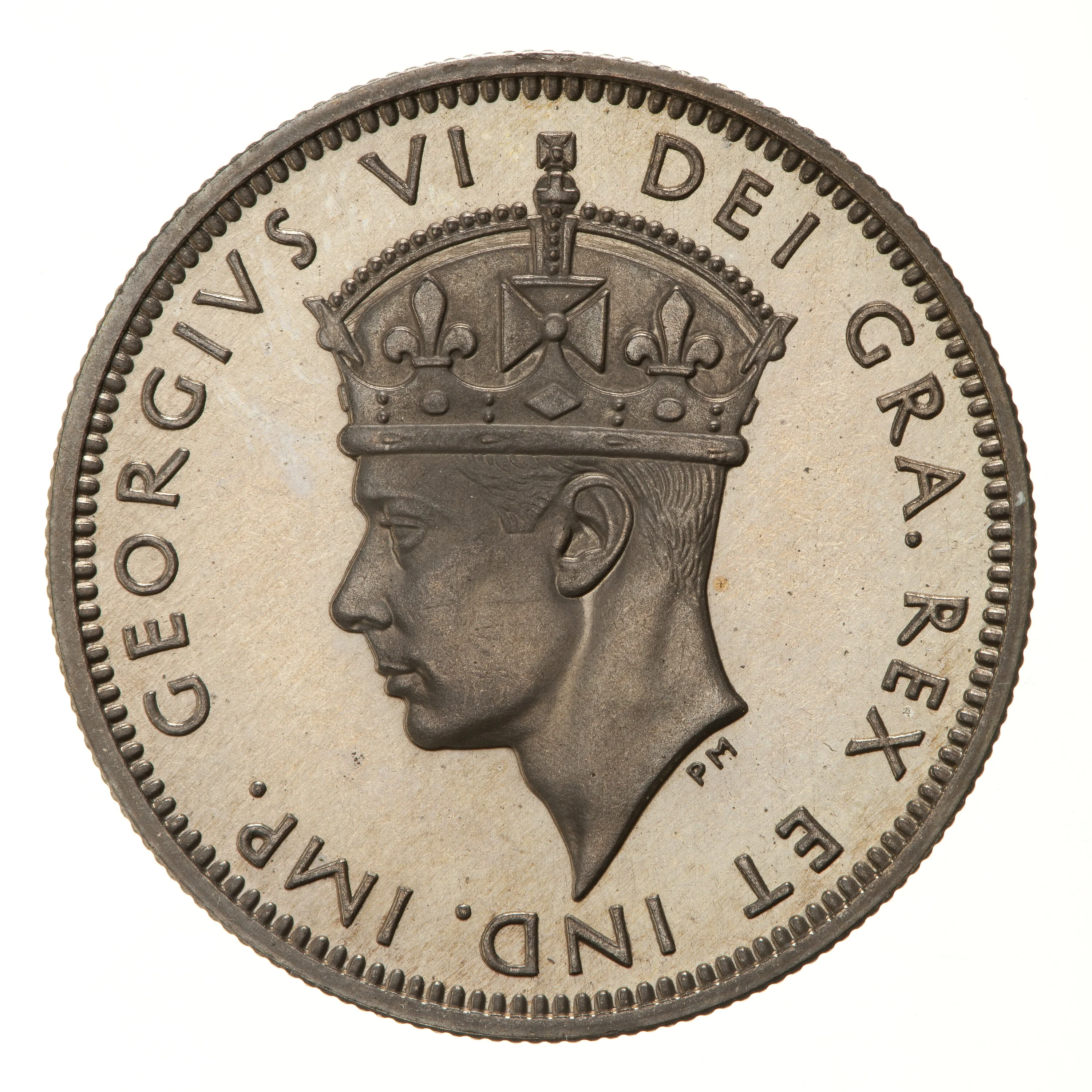
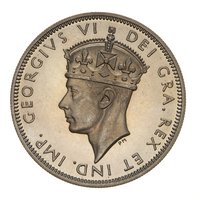
Crowned left-facing head. Below, P.M. (Percy Metcalfe) in relief, with circular inscription.
Inscription:
GEORGIVS VI DEI GRA.REX ET IND.IMP.
P.M.
P.M.
Translation:
George VI by the Grace of God King and Emperor of India.
In the year of his priesthood.
In the year of his priesthood.
Script: Latin
Language: Latin
Engraver: Percy Metcalfe
Reverse
Description:
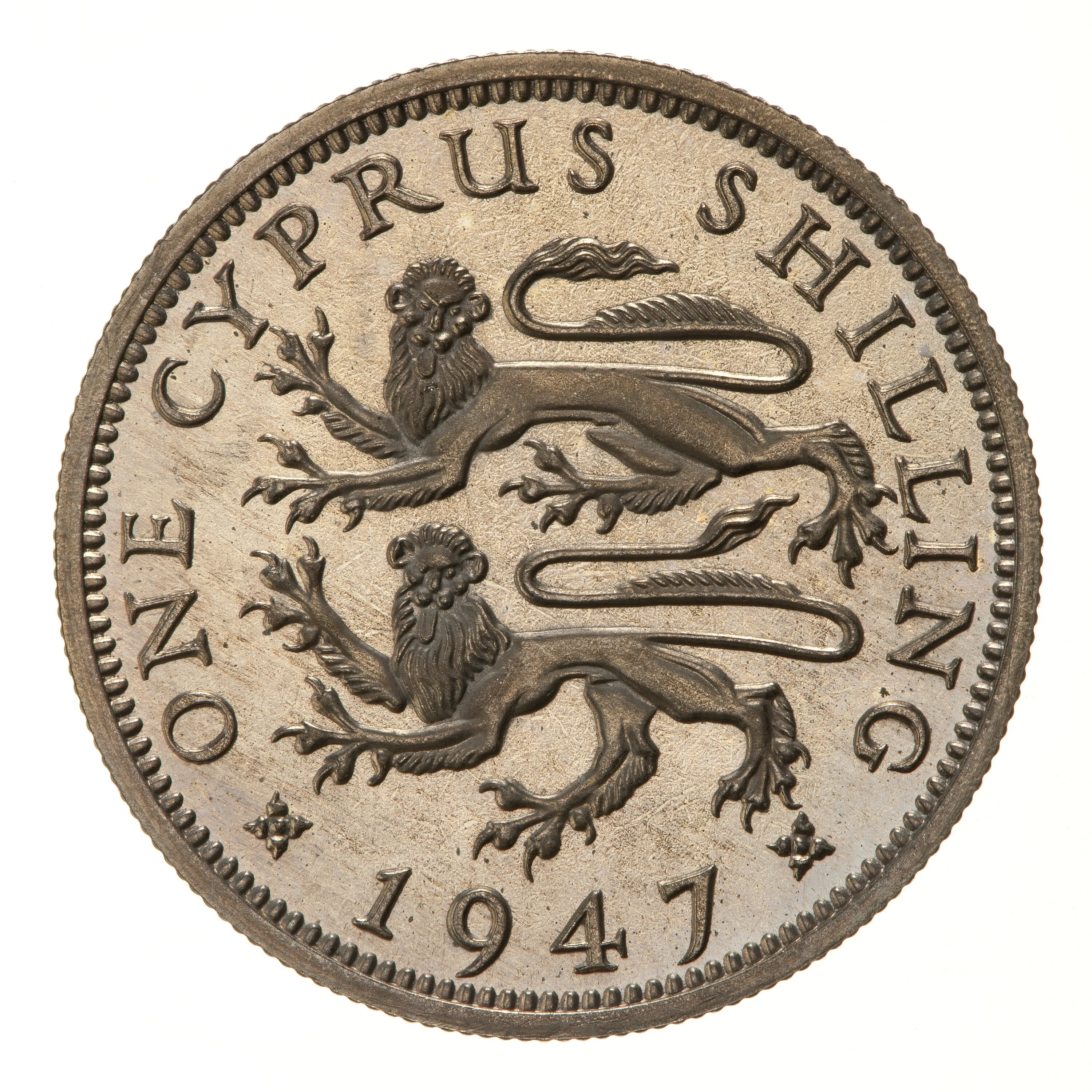
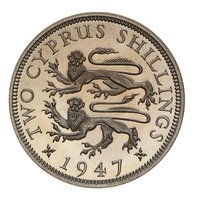
Two heraldic lions encircled by text.
Inscription:
ONE CYPRUS SHILLING
1947
1947
Script: Latin
Engraver: George Kruger Gray
Edge
Reeded, more fine than silver coins of the same period
Mints
| Name | Mark |
|---|---|
| Royal Mint (Tower Hill) | — |
Mintings
| Year | Mint Mark | Mintage | Quality | Collection |
|---|---|---|---|---|
| 1947 | — | 1,440,000 | ||
| 1947 | — | — | Proof |
Historical background
In 1947, Cyprus was a British Crown Colony, and its currency situation was directly tied to the British Pound Sterling. The official currency was the Cypriot Pound (CYP), introduced in 1879, which was pegged at par with sterling. This meant the island operated within the Sterling Area, a system of fixed exchange rates and pooled gold and dollar reserves among Commonwealth nations and territories. Economically, the post-war period was challenging, with Cyprus facing inflation, shortages of essential goods, and a strained balance of payments, much like Britain itself.
The critical context for 1947 was the severe dollar crisis gripping the Sterling Area. Britain, devastated by war, was struggling to finance vital imports from the United States, leading to a concerted imperial effort to conserve hard currency. For Cyprus, this meant strict exchange controls and import restrictions to prevent dollar outflows and support the metropolitan economy. The colonial administration prioritised exports (like citrus and minerals) to earn foreign exchange, while limiting imports to essentials, impacting local consumption and economic development.
Furthermore, there were local political dimensions to the currency. The Orthodox Church and the growing Greek-Cypriot nationalist movement, advocating for Enosis (union with Greece), viewed the British-controlled currency as another symbol of colonial rule. While not a major flashpoint in 1947 compared to later years, the economic hardships exacerbated by the sterling-linked system contributed to underlying social discontent. Thus, the currency situation reflected both the island's colonial dependency and its vulnerability to the wider Sterling Area's post-war financial turmoil.
The critical context for 1947 was the severe dollar crisis gripping the Sterling Area. Britain, devastated by war, was struggling to finance vital imports from the United States, leading to a concerted imperial effort to conserve hard currency. For Cyprus, this meant strict exchange controls and import restrictions to prevent dollar outflows and support the metropolitan economy. The colonial administration prioritised exports (like citrus and minerals) to earn foreign exchange, while limiting imports to essentials, impacting local consumption and economic development.
Furthermore, there were local political dimensions to the currency. The Orthodox Church and the growing Greek-Cypriot nationalist movement, advocating for Enosis (union with Greece), viewed the British-controlled currency as another symbol of colonial rule. While not a major flashpoint in 1947 compared to later years, the economic hardships exacerbated by the sterling-linked system contributed to underlying social discontent. Thus, the currency situation reflected both the island's colonial dependency and its vulnerability to the wider Sterling Area's post-war financial turmoil.
🌱 Common