

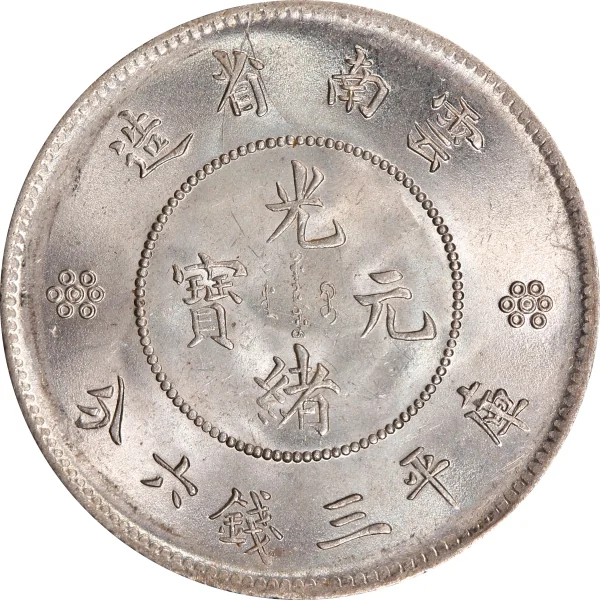
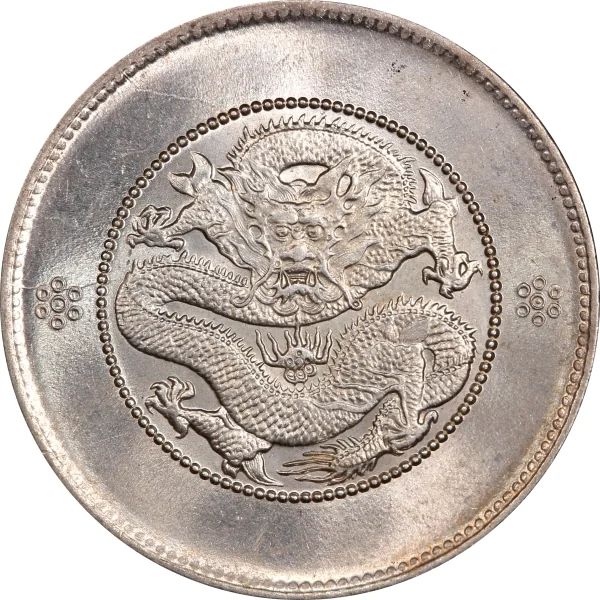
50 fen – Yunnan Province
Add to wishlist
China
Context
Years: 1911–1949
Country: China
Issuer: Yunnan Province
Period:
(1912—1949)
Ruler: Xuantong
Currency:
(1908—1949)
Demonetized: Yes
Material
References
Y: #
Numista: #90660
Value
Bullion value: $32.94
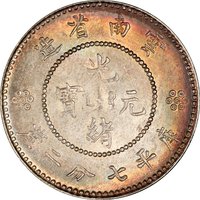
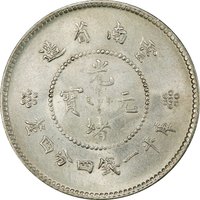
Obverse
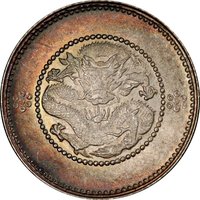
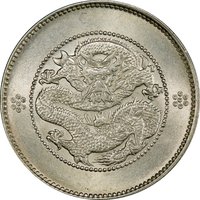
Reverse
Description:
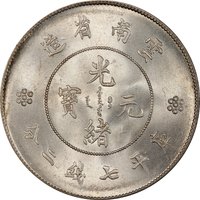
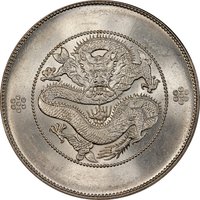
Dragon flanking a central pearl with rosettes.
Edge
Reeded.
Categories
| Mythology> Fantastic animal |
| Plants> Flower |
Mintings
| Year | Mint Mark | Mintage | Quality | Collection |
|---|---|---|---|---|
| — | — | — | ||
| 1949 | — | — |
Historical background
In 1911, Yunnan Province existed within a complex and fragmented monetary system, a microcosm of the fiscal disarray plaguing the late Qing Dynasty. The primary circulating currency was the Yunnan silver dollar, locally minted since 1907 at the provincial mint in Kunming. These coins, often called "Dragon Dollars" for their design, competed with a bewildering array of other mediums: silver sycee (shoe-shaped ingots) of varying purity and weight, copper cash coins for small transactions, and a limited circulation of foreign silver dollars, particularly the Mexican "Eagle" dollar. This multiplicity created chronic instability, as exchange rates between silver, copper, and even the different silver coinages fluctuated constantly, hampering trade and taxation.
The situation was further strained by the province's heavy reliance on copper mining and its strategic location on the trade routes to Southeast Asia. The intrinsic value of copper cash was falling due to inflation and debasement, while the silver-based taxation system imposed by the central government created a severe burden on the populace, a phenomenon known as the "copper cash crisis." Furthermore, the provincial treasury was under significant pressure from indemnity payments owed to foreign powers following the Boxer Protocol, draining silver reserves. This fiscal strain exacerbated social tensions and contributed to widespread discontent with Qing authority.
The currency chaos reached a pivotal point with the outbreak of the Wuchang Uprising in October 1911. Yunnan swiftly declared independence in the Xinhai Revolution, severing ties with the Qing monetary system. The new revolutionary government, led by Cai E, immediately moved to assert financial control. It continued minting the Yunnan silver dollar but now as a symbol of provincial sovereignty, while also issuing paper notes to stabilize the economy and fund military operations. Thus, the monetary disarray of 1911 became both a symptom of imperial collapse and an immediate problem for the nascent republican administration to solve.
The situation was further strained by the province's heavy reliance on copper mining and its strategic location on the trade routes to Southeast Asia. The intrinsic value of copper cash was falling due to inflation and debasement, while the silver-based taxation system imposed by the central government created a severe burden on the populace, a phenomenon known as the "copper cash crisis." Furthermore, the provincial treasury was under significant pressure from indemnity payments owed to foreign powers following the Boxer Protocol, draining silver reserves. This fiscal strain exacerbated social tensions and contributed to widespread discontent with Qing authority.
The currency chaos reached a pivotal point with the outbreak of the Wuchang Uprising in October 1911. Yunnan swiftly declared independence in the Xinhai Revolution, severing ties with the Qing monetary system. The new revolutionary government, led by Cai E, immediately moved to assert financial control. It continued minting the Yunnan silver dollar but now as a symbol of provincial sovereignty, while also issuing paper notes to stabilize the economy and fund military operations. Thus, the monetary disarray of 1911 became both a symptom of imperial collapse and an immediate problem for the nascent republican administration to solve.
🌟 Uncommon