

Obverse
Description:
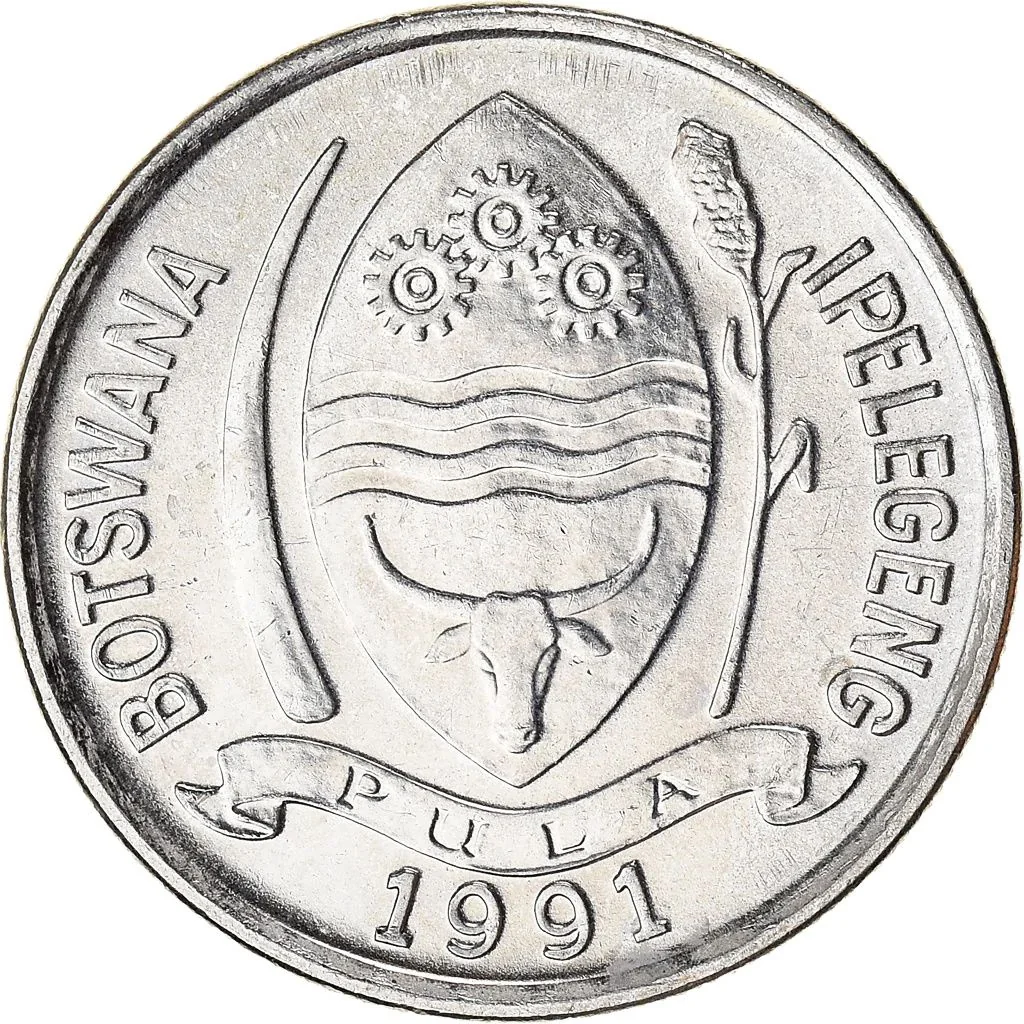
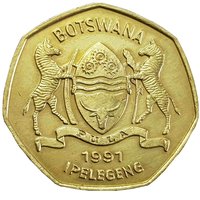
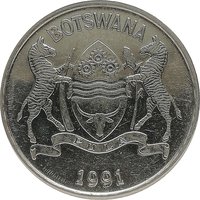
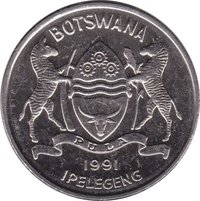
Botswana coat of arms with date beneath.
Inscription:
BOTSWANA IPELEGENG
PULA
1991
PULA
1991
Translation:
BOTSWANA SELF-RELIANCE
RAIN (also a unit of currency)
1991
RAIN (also a unit of currency)
1991
Script: Latin
Engraver: Michael Hibbit
Reverse
Description:
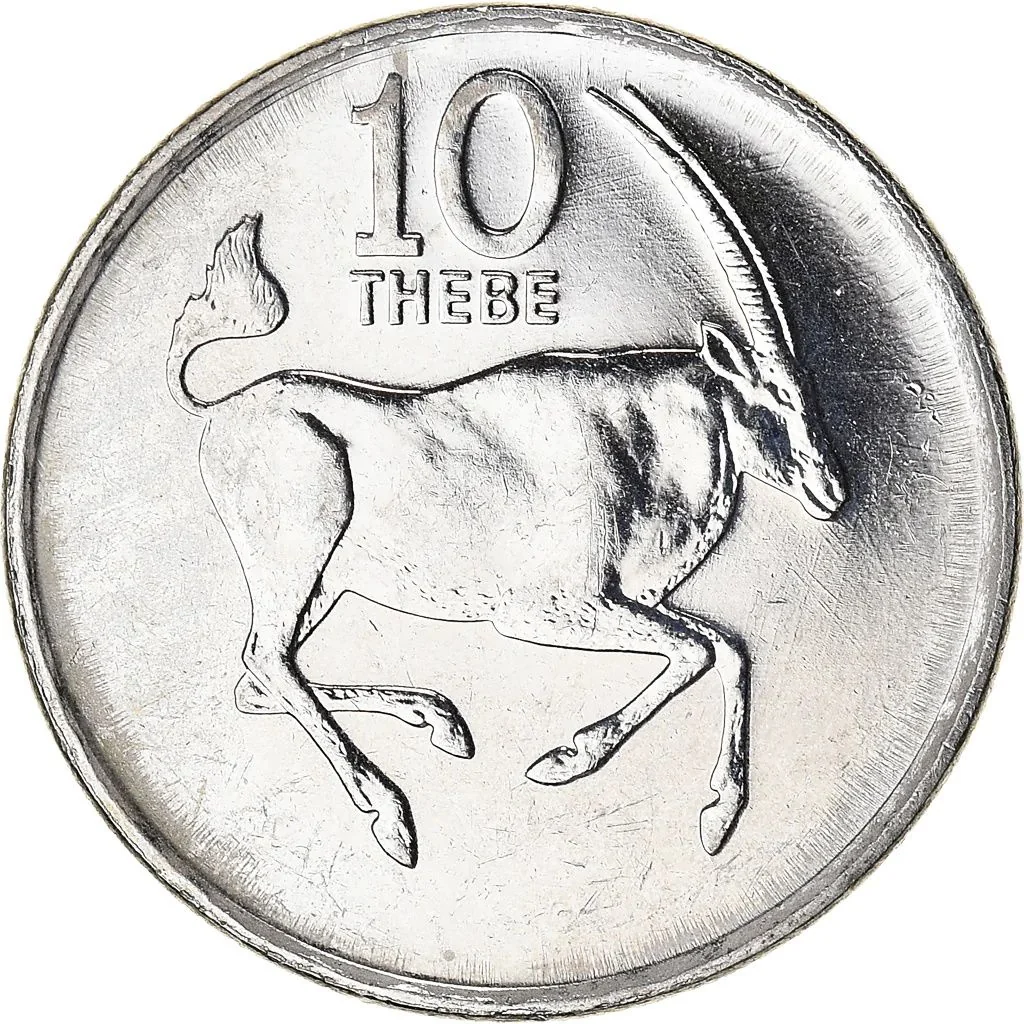
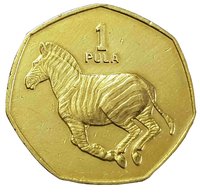
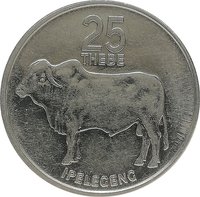
South African gemsbok (Oryx gazella), name above.
Inscription:
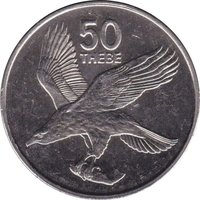
10
THEBE
THEBE
Script: Latin
Engraver: Michael Hibbit
Edge
Reeded
Categories
| Animal> Cow |
| Symbols> Coat of Arms |
Mintings
| Year | Mint Mark | Mintage | Quality | Collection |
|---|---|---|---|---|
| 1991 | — | — |
Historical background
In 1991, Botswana's currency situation was defined by stability and prudent management, a stark contrast to the economic crises plaguing many of its regional neighbours. The country operated with the Botswana Pula (BWP), which had been introduced in 1976 to replace the South African Rand and assert monetary sovereignty. The Pula was, and remains, pegged to a basket of currencies, primarily the South African Rand and the International Monetary Fund's Special Drawing Rights (SDRs). This basket peg, managed by the Bank of Botswana, provided a buffer against the volatility of any single currency and reflected the nation's close economic ties with South Africa while diversifying its exposure.
This period followed a decade of remarkable economic growth fueled by diamond revenues, which allowed Botswana to accumulate substantial foreign exchange reserves. These reserves, carefully stewarded by the central bank, underpinned confidence in the Pula and provided the government with the fiscal space to avoid deficit financing that could trigger inflation or currency depreciation. Consequently, inflation in 1991 was relatively low and stable, and the Pula maintained its credibility both domestically and internationally.
The primary challenge in 1991, however, stemmed from external dependence. Botswana's economy remained heavily integrated with South Africa, its largest trading partner. Fluctuations in the Rand, therefore, directly impacted the Pula's effective exchange rate and the cost of imports. Furthermore, while the currency regime was successful, discussions were ongoing regarding the need to diversify the economy beyond diamonds to ensure long-term stability. Thus, the currency situation in 1991 was one of strength and commendable management, but within a framework conscious of regional vulnerabilities and the need for continued structural economic development.
This period followed a decade of remarkable economic growth fueled by diamond revenues, which allowed Botswana to accumulate substantial foreign exchange reserves. These reserves, carefully stewarded by the central bank, underpinned confidence in the Pula and provided the government with the fiscal space to avoid deficit financing that could trigger inflation or currency depreciation. Consequently, inflation in 1991 was relatively low and stable, and the Pula maintained its credibility both domestically and internationally.
The primary challenge in 1991, however, stemmed from external dependence. Botswana's economy remained heavily integrated with South Africa, its largest trading partner. Fluctuations in the Rand, therefore, directly impacted the Pula's effective exchange rate and the cost of imports. Furthermore, while the currency regime was successful, discussions were ongoing regarding the need to diversify the economy beyond diamonds to ensure long-term stability. Thus, the currency situation in 1991 was one of strength and commendable management, but within a framework conscious of regional vulnerabilities and the need for continued structural economic development.
Series: 1991 Botswana circulation coins
🌱 Common