

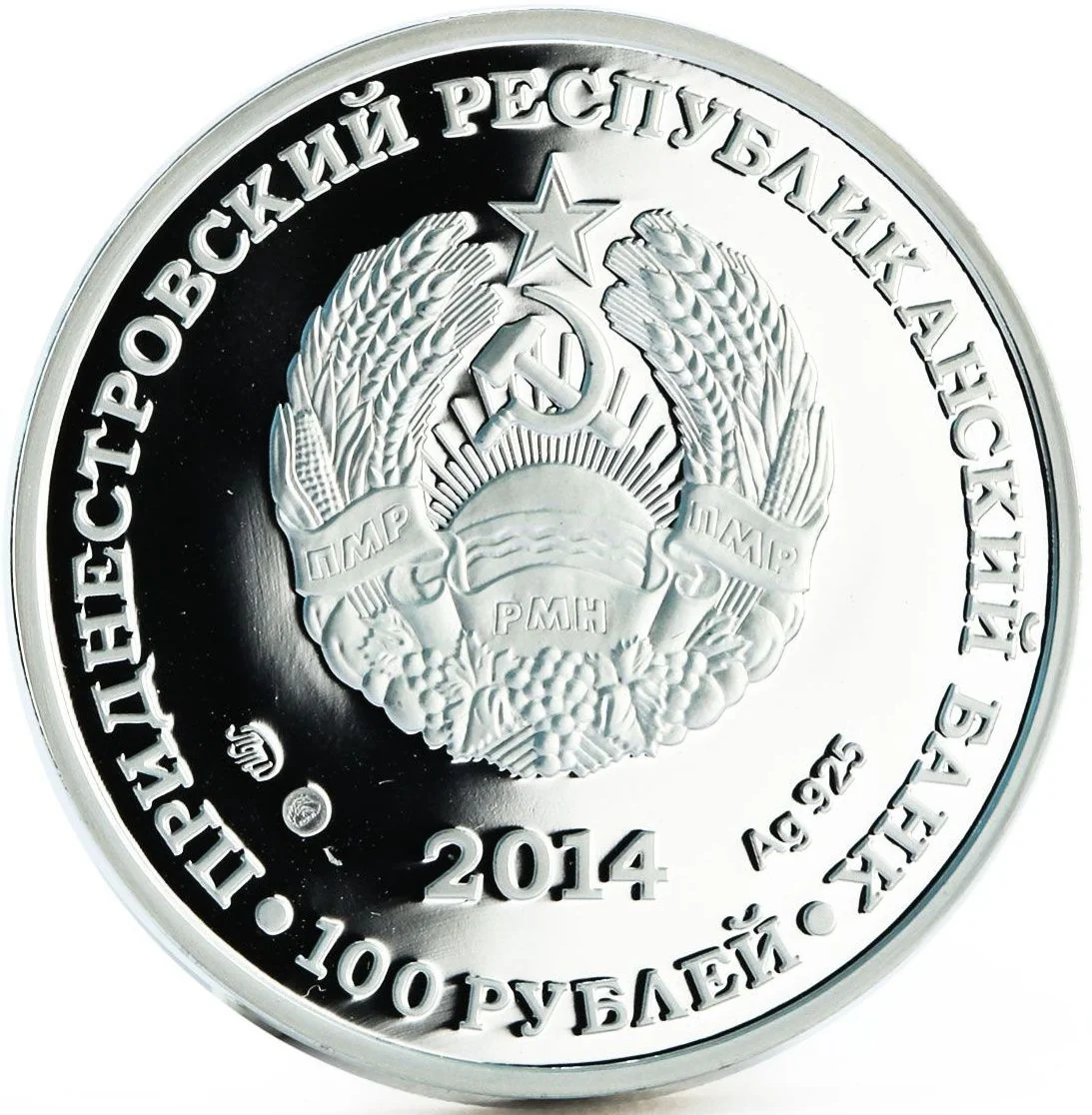
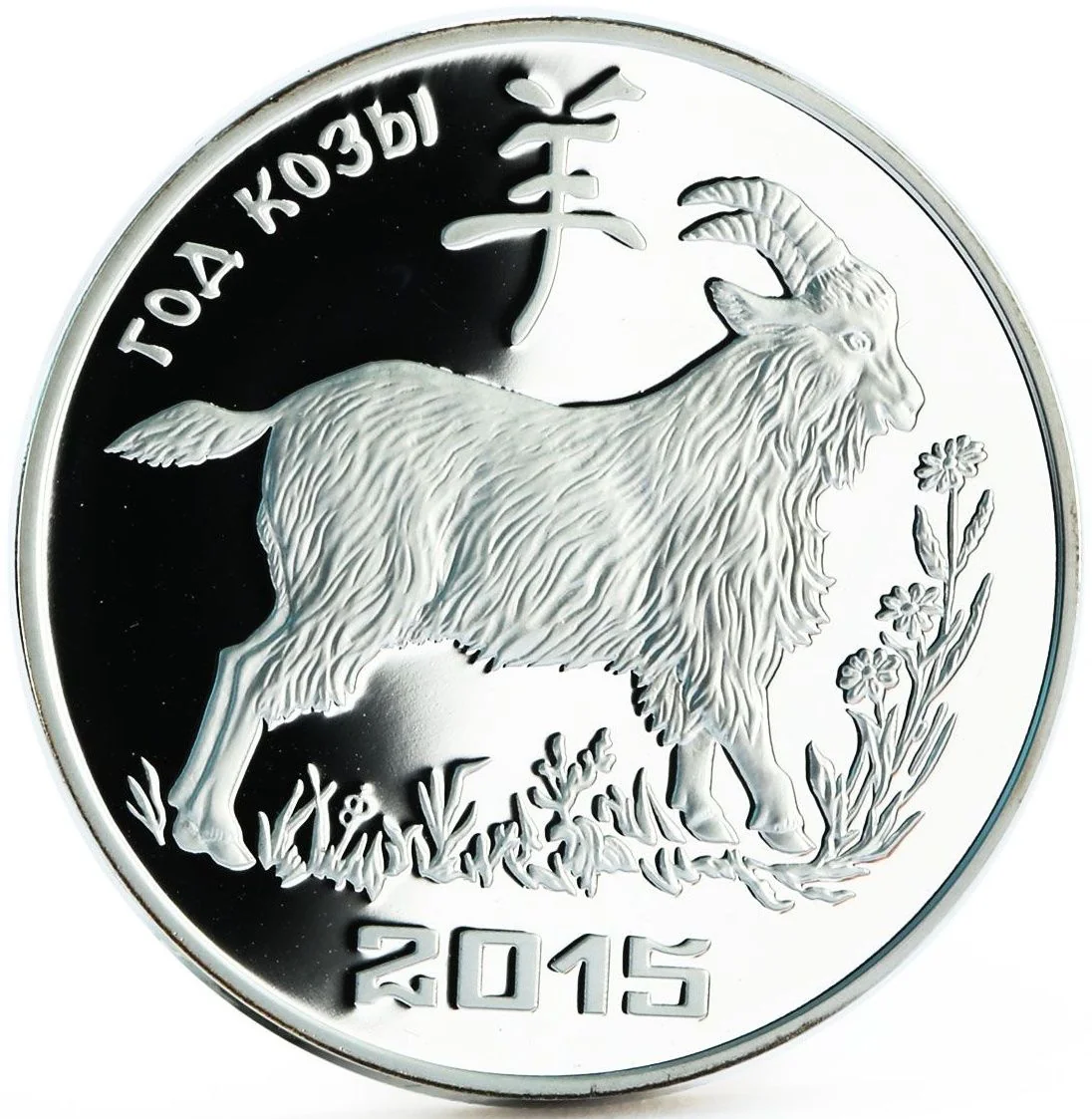
100 Rubles – Transnistria
Moldova
Context
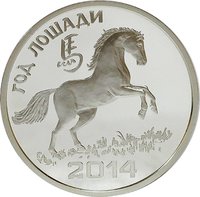
Year: 2014
Country: Moldova 
Issuer: Transnistria
Issuing organization: Transnistrian Republican Bank
Period:
(since 1990)
Currency:
(since 2000)
Total mintage: 250
Material
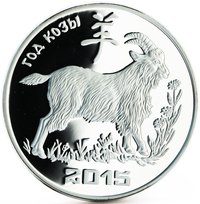
References
KM: #Click to copy to clipboard213
Numista: #88926
Value
Exchange value: 100 PRB
Bullion value: $36.67
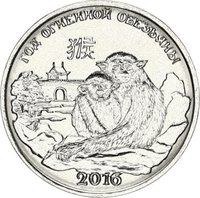
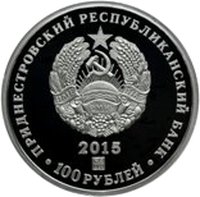
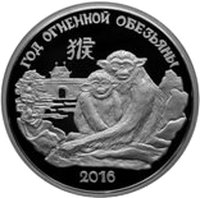
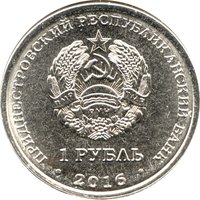
Obverse
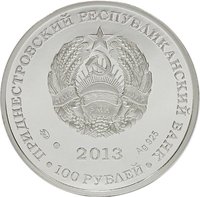
Reverse
Edge
Plain
Categories
| Animal> Goat |
| Astrology> Chinese calendar |
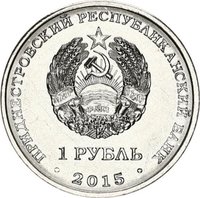
| Symbols> Coat of Arms |
Mints
| Name | Mark |
|---|---|
| Moscow Mint | (ММД) |
Mintings
| Year | Mint Mark | Mintage | Quality | Collection |
|---|---|---|---|---|
| 2014 | ММД | 250 | Prooflike |
Historical background
In 2014, the currency situation in the breakaway region of Transnistria remained a complex and unique hybrid system, largely unchanged since its establishment in the 1990s. The region, unrecognized internationally and economically isolated, continued to operate with its own de facto currency, the Transnistrian ruble (PRB). This currency is not convertible on international markets and exists solely for domestic circulation within the region's borders. Its value was and remains set administratively by the Transnistrian Republican Bank, rather than by market forces, and is not backed by substantial foreign reserves.
The system functioned as a multi-currency economy, with the Transnistrian ruble coexisting with other stronger currencies used for savings and major transactions. The Russian ruble and the US dollar served as the primary hard currencies for savings, real estate purchases, and larger business deals, providing a hedge against the instability of the local currency. Meanwhile, the Ukrainian hryvnia also saw significant circulation, particularly in areas close to the Ukrainian border and due to historical trade ties, though its role became more volatile following the outbreak of the conflict in Eastern Ukraine in early 2014.
The year 2014 introduced new pressures on this fragile monetary arrangement. The geopolitical crisis in Ukraine disrupted key trade routes and economic links, upon which Transnistria's import-dependent economy relied. Furthermore, a major money laundering scandal involving the region's leading bank, Sheriff, led to the loss of corresponding banking relationships with Russia in late 2013, causing a liquidity crisis that spilled into 2014. This made cross-border transactions and access to hard currency more difficult, exacerbating the region's economic isolation and reinforcing its dependence on direct financial support and subsidized natural gas from Russia to maintain monetary and economic stability.
The system functioned as a multi-currency economy, with the Transnistrian ruble coexisting with other stronger currencies used for savings and major transactions. The Russian ruble and the US dollar served as the primary hard currencies for savings, real estate purchases, and larger business deals, providing a hedge against the instability of the local currency. Meanwhile, the Ukrainian hryvnia also saw significant circulation, particularly in areas close to the Ukrainian border and due to historical trade ties, though its role became more volatile following the outbreak of the conflict in Eastern Ukraine in early 2014.
The year 2014 introduced new pressures on this fragile monetary arrangement. The geopolitical crisis in Ukraine disrupted key trade routes and economic links, upon which Transnistria's import-dependent economy relied. Furthermore, a major money laundering scandal involving the region's leading bank, Sheriff, led to the loss of corresponding banking relationships with Russia in late 2013, causing a liquidity crisis that spilled into 2014. This made cross-border transactions and access to hard currency more difficult, exacerbating the region's economic isolation and reinforcing its dependence on direct financial support and subsidized natural gas from Russia to maintain monetary and economic stability.
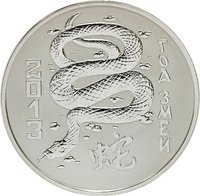
Series: Chinese horoscope
✨ Legendary