

1 Pound – United Kingdom
United Kingdom
Context
Year: 2004
Issuer: United Kingdom 
Ruler: Elizabeth II
Currency:
(since 1971)
Demonetization: 15 October 2017
Total mintage: 39,320,042
Material
Diameter: 22.5 mm
Weight: 9.5 g
Thickness: 3.15 mm
Shape: Round
Composition: Nickel brass
Magnetic: No
Technique: Milled
Alignment: Medal alignment
flip
References
KM: #Click to copy to clipboard1048
Numista: #881
Value
Exchange value: 1 GBP = $1.35
Inflation-adjusted value: 2.02 GBP
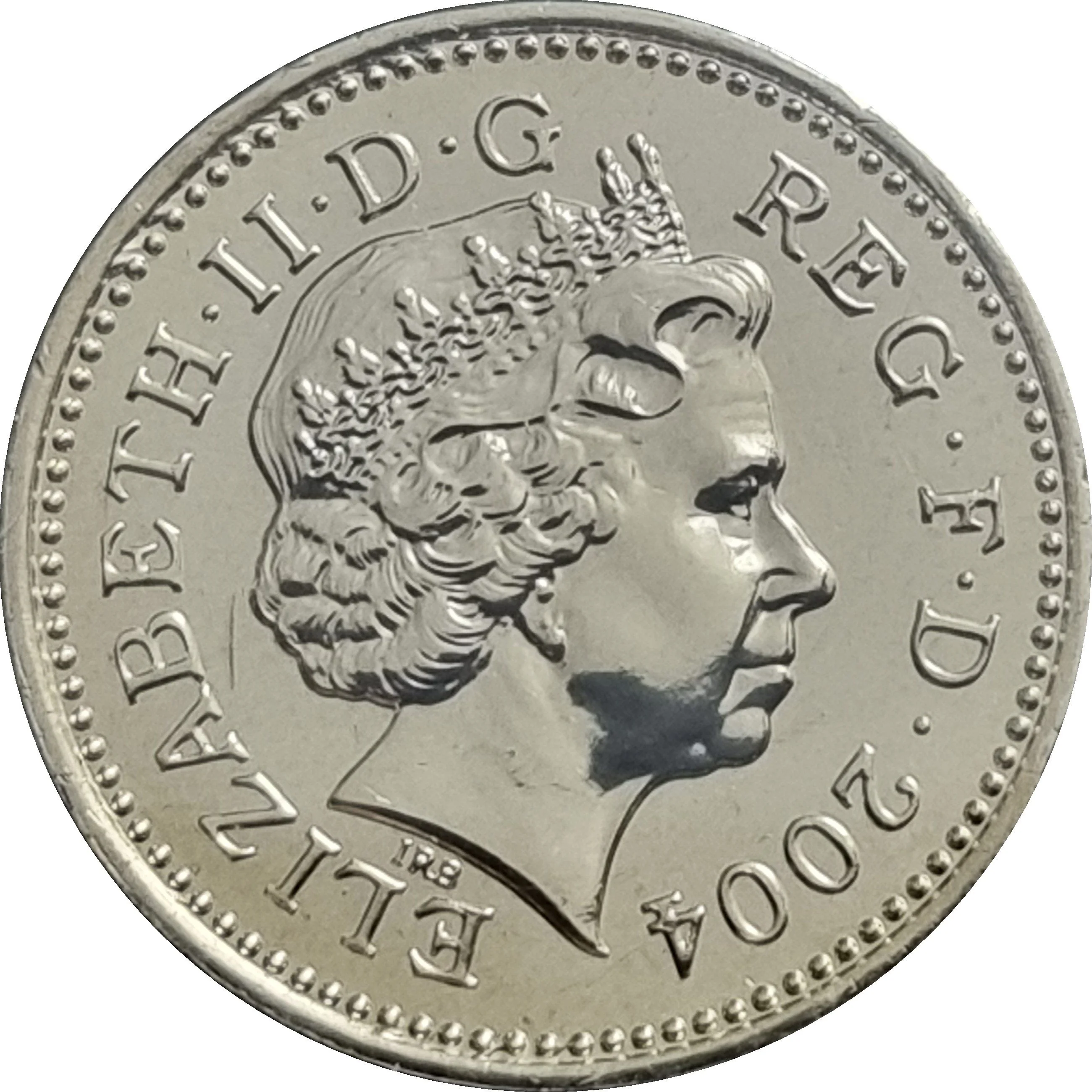
Obverse
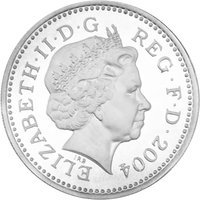
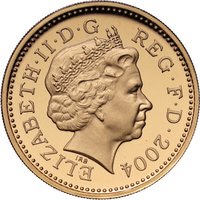
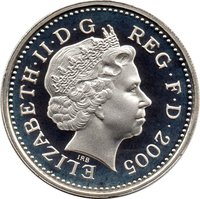
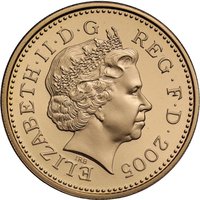
Description:
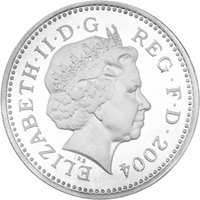
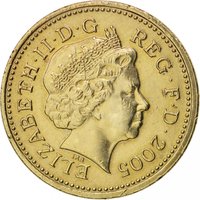
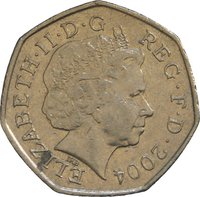
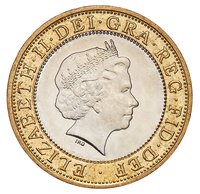
Queen Elizabeth IV facing right, wearing Girls of Great Britain and Ireland tiara.
Inscription:
ELIZABETH·II·D·G REG·F·D·2004
IRB
IRB
Translation:
Elizabeth II by the Grace of God Queen Defender of the Faith 2004
Script: Latin
Engraver: Ian Rank-Broadley
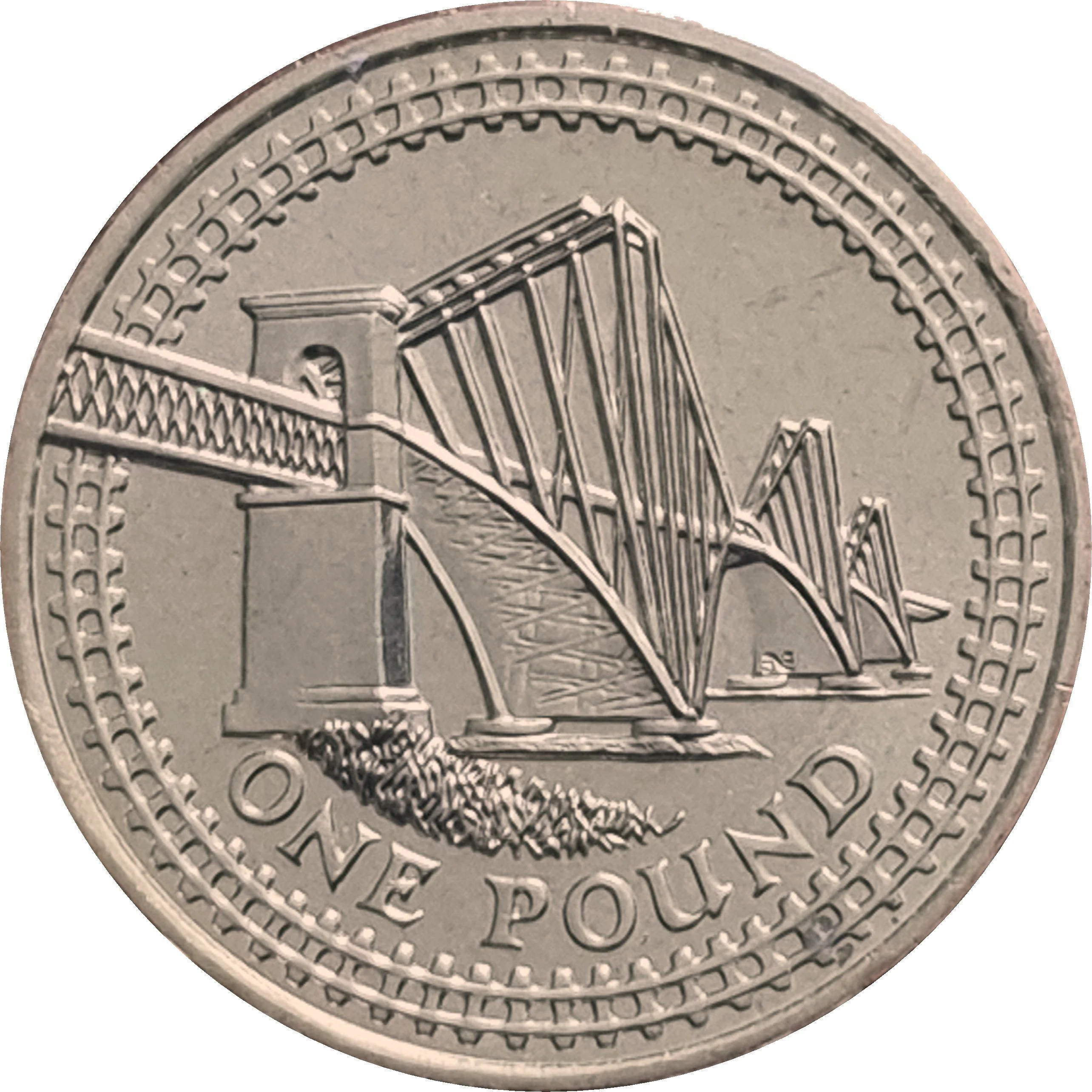
Reverse
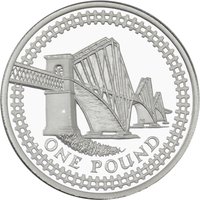
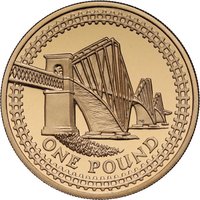
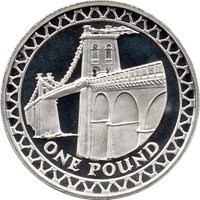
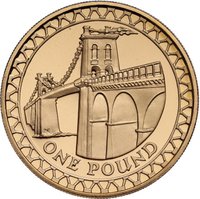
Description:
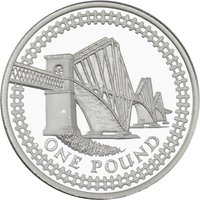
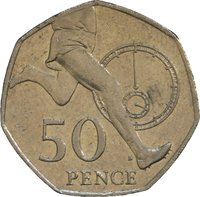
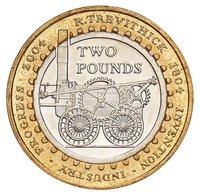
Forth Railway Bridge encircled by railway tracks.
Inscription:
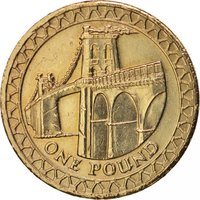
ONE POUND
Script: Latin
Engraver: Edwina Ellis
Edge
Milled with a decorative pattern symbolising bridges and pathways
Mints
| Name | Mark |
|---|---|
| Royal Mint | — |
Mintings
| Year | Mint Mark | Mintage | Quality | Collection |
|---|---|---|---|---|
| 2004 | — | 39,162,000 | ||
| 2004 | — | 123,022 | BU | |
| 2004 | — | 35,020 | Proof |
Historical background
In 2004, the United Kingdom's currency situation was defined by its continued membership of the European Union but its deliberate exclusion from the Eurozone. The Labour government, led by Prime Minister Tony Blair and Chancellor Gordon Brown, had established five economic tests in 1997 to determine whether joining the euro would be beneficial for the UK. By 2003, the Treasury's assessment concluded that these tests had not been met, citing that the British economic cycle and structure were not sufficiently aligned with the euro area. Consequently, the pound sterling remained the nation's sovereign currency, and a referendum on adoption, once a key political question, was effectively shelved for the foreseeable future.
The period was one of relative stability and strength for sterling. The UK economy was experiencing sustained growth, and the Bank of England, which had gained operational independence over monetary policy in 1997, maintained a focus on controlling inflation. Interest rates were on a gradual upward path from a low of 3.5% in late 2003 to 4.75% by the end of 2004, which helped support the pound's value. Sterling traded within a robust range, averaging approximately £0.68 against the US dollar and around £0.67 against the euro throughout the year, reflecting investor confidence in the UK's separate monetary policy track.
This distinct currency position underscored a broader political and economic ambivalence towards deeper European integration. While British businesses engaged in cross-border trade faced exchange rate risks and transaction costs, the flexibility of an independent monetary policy was widely seen as a key advantage, especially as the UK's housing market and consumer debt levels were rising concerns. The decision to retain the pound in 2004 thus cemented a path of economic sovereignty, setting a precedent that would heavily influence the UK's relationship with Europe for the next two decades, ultimately foreshadowing the debates that led to the Brexit referendum.
The period was one of relative stability and strength for sterling. The UK economy was experiencing sustained growth, and the Bank of England, which had gained operational independence over monetary policy in 1997, maintained a focus on controlling inflation. Interest rates were on a gradual upward path from a low of 3.5% in late 2003 to 4.75% by the end of 2004, which helped support the pound's value. Sterling traded within a robust range, averaging approximately £0.68 against the US dollar and around £0.67 against the euro throughout the year, reflecting investor confidence in the UK's separate monetary policy track.
This distinct currency position underscored a broader political and economic ambivalence towards deeper European integration. While British businesses engaged in cross-border trade faced exchange rate risks and transaction costs, the flexibility of an independent monetary policy was widely seen as a key advantage, especially as the UK's housing market and consumer debt levels were rising concerns. The decision to retain the pound in 2004 thus cemented a path of economic sovereignty, setting a precedent that would heavily influence the UK's relationship with Europe for the next two decades, ultimately foreshadowing the debates that led to the Brexit referendum.
Series: Regional Bridge series
🌱 Very Common