

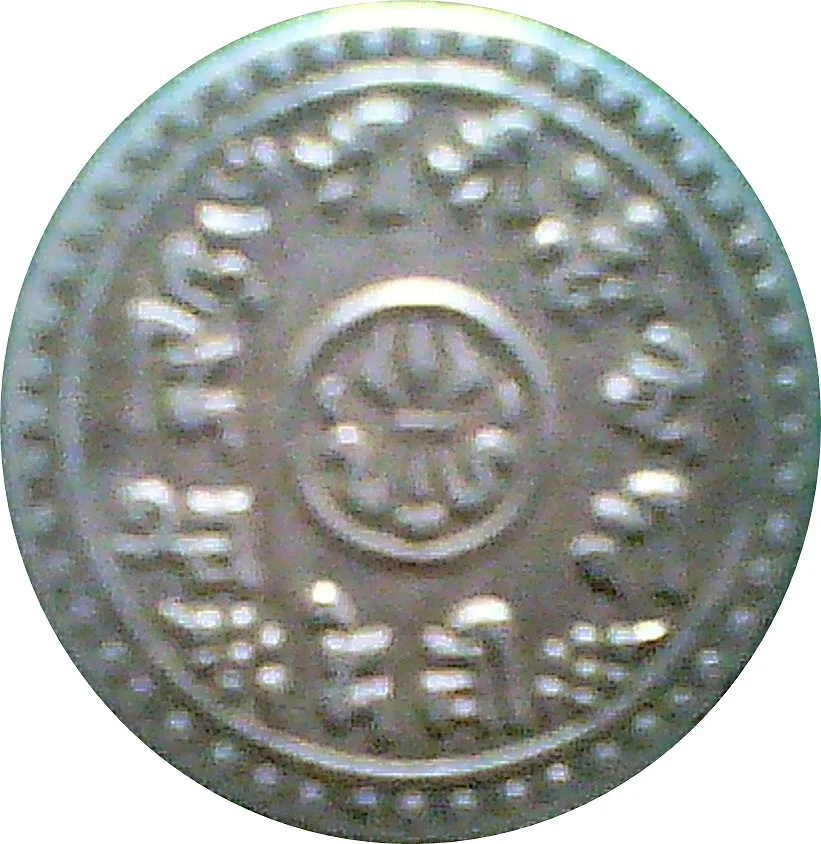
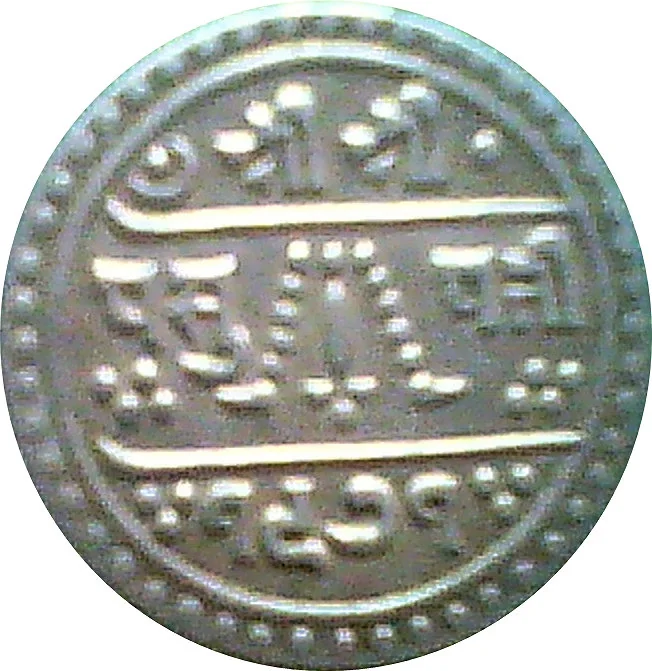
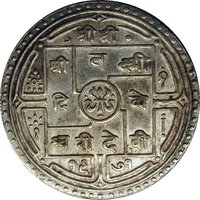
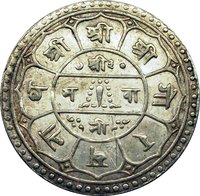
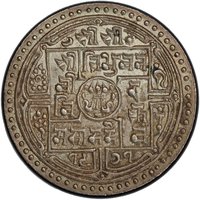
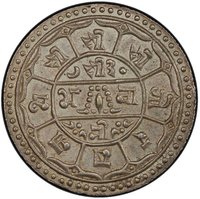
½ Mohar – Nepal
Nepal
Context
Year: 1914
Vikram Samvat Year: 1971
Issuer: Nepal 
Ruler: Tribhuvan Bir Bikram Shah
Currency:
(1546—1932)
Demonetized: Yes
Material
References
KM: #Click to copy to clipboard681
Numista: #87000
Value
Bullion value: $8.03
Obverse
Reverse
Edge
Mintings
| Year | Mint Mark | Mintage | Quality | Collection |
|---|---|---|---|---|
| 1914 | — | — |
Historical background
In 1914, Nepal's currency situation was characterized by a complex dual system, heavily influenced by its political and economic ties to British India. The primary circulating medium was the Nepalese Mohar, a silver coin minted by the state. However, the system was not unified; the Mohar existed alongside a separate system of copper coins (paisa) and, most significantly, a substantial inflow of Indian Rupees. The Indian Rupee, a stable silver currency, was legal tender within Nepal and circulated widely, especially for larger transactions and trade, due to the deeply integrated economies along the open border.
This monetary landscape was a direct reflection of Nepal's subordinate relationship under the Rana dynasty, which ruled as a hereditary autocracy. The 1910 Nepal-British India Treaty had formally pegged the Nepalese Mohar to the Indian Rupee at a fixed rate of 1.5 Mohars to 1 Rupee. This peg provided stability but also cemented Nepal's economic dependency, as its money supply and value were effectively anchored to British India's monetary policy. The Rana regime, benefiting from large incomes from Gurkha soldier pensions and trade tariffs, had little incentive to develop a robust, independent national currency.
Consequently, the domestic economy operated on a somewhat fragmented basis. While government accounts and external trade were often conducted in Indian Rupees, the rural populace relied heavily on the lower-denomination Nepalese copper and silver coins for daily subsistence. The system lacked a central banking authority (the Nepal Rastra Bank would not be established until 1956), with currency issuance and management falling under the direct control of the Rana prime minister's treasury. Thus, in 1914, Nepal's currency was not a tool of sovereign economic policy but a practical, albeit dependent, mechanism facilitating local exchange and reinforcing the political-economic status quo of the era.
This monetary landscape was a direct reflection of Nepal's subordinate relationship under the Rana dynasty, which ruled as a hereditary autocracy. The 1910 Nepal-British India Treaty had formally pegged the Nepalese Mohar to the Indian Rupee at a fixed rate of 1.5 Mohars to 1 Rupee. This peg provided stability but also cemented Nepal's economic dependency, as its money supply and value were effectively anchored to British India's monetary policy. The Rana regime, benefiting from large incomes from Gurkha soldier pensions and trade tariffs, had little incentive to develop a robust, independent national currency.
Consequently, the domestic economy operated on a somewhat fragmented basis. While government accounts and external trade were often conducted in Indian Rupees, the rural populace relied heavily on the lower-denomination Nepalese copper and silver coins for daily subsistence. The system lacked a central banking authority (the Nepal Rastra Bank would not be established until 1956), with currency issuance and management falling under the direct control of the Rana prime minister's treasury. Thus, in 1914, Nepal's currency was not a tool of sovereign economic policy but a practical, albeit dependent, mechanism facilitating local exchange and reinforcing the political-economic status quo of the era.
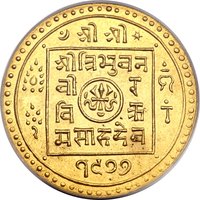
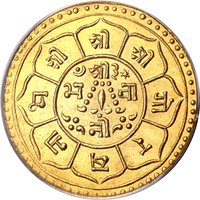
💎 Extremely Rare