

1⁄12 shilling – Jersey
Add to wishlist
Context
Years: 1957–1964
Country: British Crown dependencies
Issuer: Jersey
Ruler: Elizabeth II
Currency:
(1813—1971)
Demonetization: 27 December 1971
Total mintage: 1,942,100
Material
References
KM: #
Numista: #8653
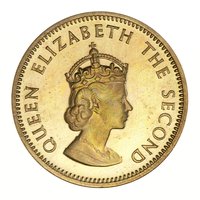
Obverse
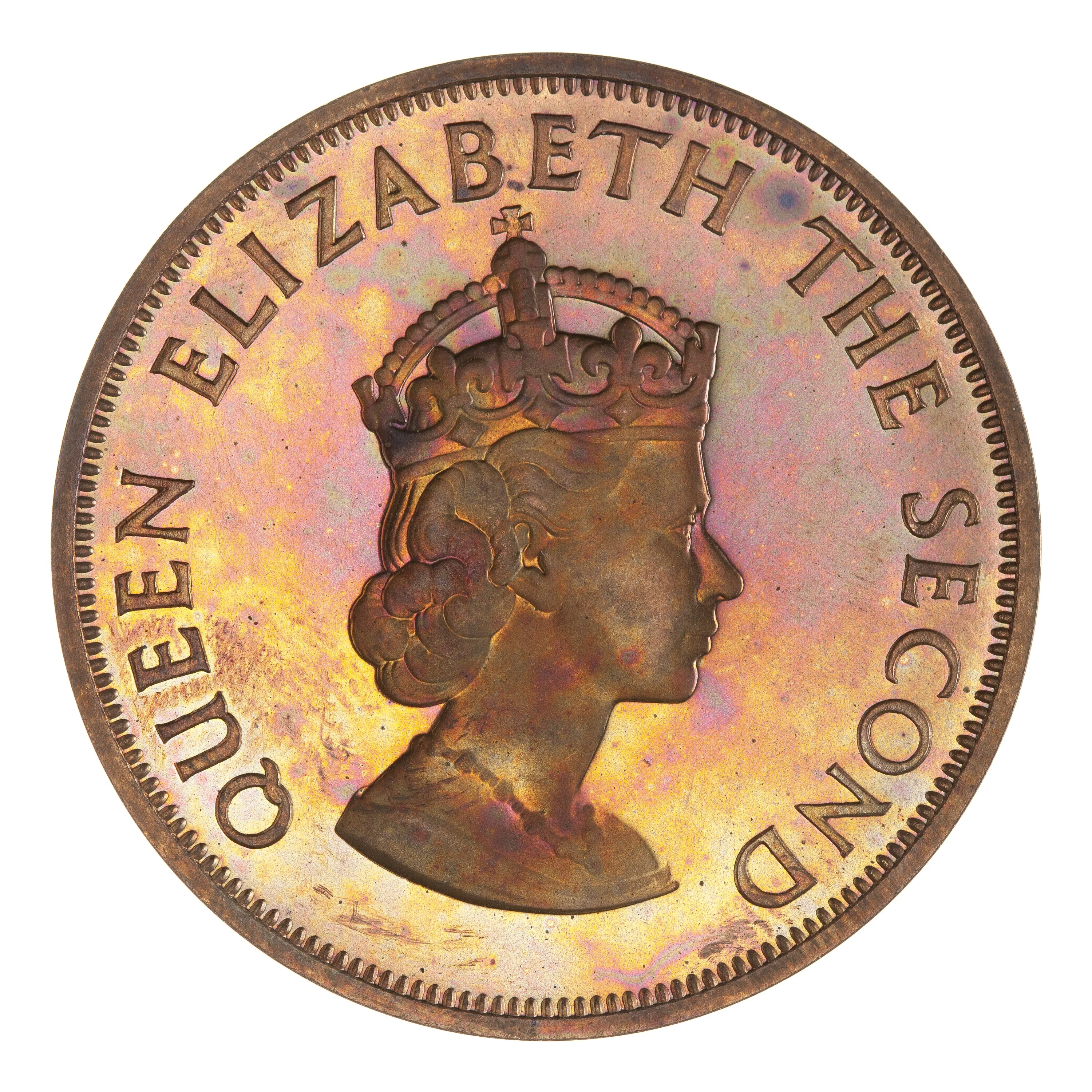
Description:
King facing right.
Inscription:
QUEEN ELIZABETH THE SECOND
Script: Latin
Engraver: Cecil Thomas
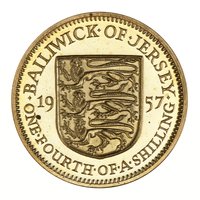
Reverse
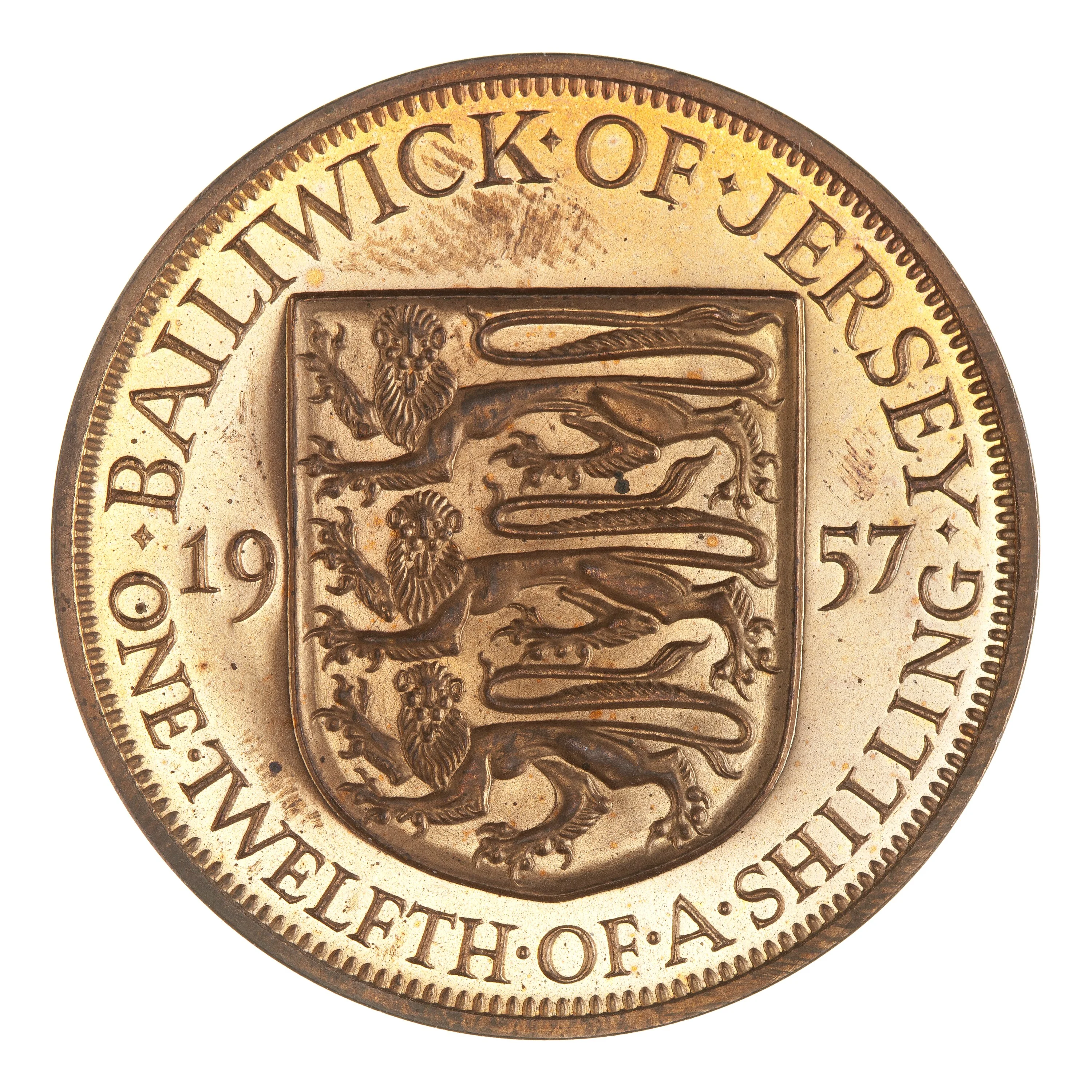
Description:
Shield above value
Inscription:
·BAILIWICK·OF·JERSEY·
19 64
ONE·TWELFTH·OF·A·SHILLING
19 64
ONE·TWELFTH·OF·A·SHILLING
Script: Latin
Engraver: George Kruger Gray
Edge
Plain
Mints
| Name | Mark |
|---|---|
| Royal Mint (Tower Hill) | — |
Mintings
| Year | Mint Mark | Mintage | Quality | Collection |
|---|---|---|---|---|
| 1957 | — | 2,100 | Proof | |
| 1957 | — | 720,000 | ||
| 1964 | — | 20,000 | Proof | |
| 1964 | — | 1,200,000 |
Historical background
In 1957, the currency situation in Jersey was one of transition and local identity, still deeply entwined with the British monetary system but asserting a degree of distinctiveness. The island did not issue its own decimal coinage; instead, it used British pounds, shillings, and pence (£sd) as its official currency. However, Jersey had a long history of issuing its own banknotes, a practice that continued. These notes were not legal tender in the United Kingdom but were accepted interchangeably with Bank of England notes on the island, backed by a sterling exchange fund held in London, ensuring parity with the pound sterling.
The period was marked by a post-war consensus on the stability of the sterling area, of which Jersey was a part. There was no serious consideration of a separate currency, as the island's economy was closely linked to Britain's, particularly through tourism, agriculture, and finance. The local currency question in 1957 was less about independence and more about practical administration—ensuring sufficient coin and note circulation for a growing economy and managing the relationship with the UK Treasury, which ultimately governed the island's monetary policy.
Looking ahead, the seeds of greater monetary autonomy were being sown, though not fully realised until the following decade. The limitations of the British imperial coinage in meeting Jersey's specific needs, especially for lower denomination coins, would lead to significant change. Just three years later, in 1960, Jersey would begin issuing its own distinctive decimal coins (initially alongside the old system) for the first time, a direct precursor to the full decimalisation that would align with the UK's own shift in 1971. Thus, 1957 represents the final years of a purely British coinage circulating on the island, before a new chapter of numismatic self-expression began.
The period was marked by a post-war consensus on the stability of the sterling area, of which Jersey was a part. There was no serious consideration of a separate currency, as the island's economy was closely linked to Britain's, particularly through tourism, agriculture, and finance. The local currency question in 1957 was less about independence and more about practical administration—ensuring sufficient coin and note circulation for a growing economy and managing the relationship with the UK Treasury, which ultimately governed the island's monetary policy.
Looking ahead, the seeds of greater monetary autonomy were being sown, though not fully realised until the following decade. The limitations of the British imperial coinage in meeting Jersey's specific needs, especially for lower denomination coins, would lead to significant change. Just three years later, in 1960, Jersey would begin issuing its own distinctive decimal coins (initially alongside the old system) for the first time, a direct precursor to the full decimalisation that would align with the UK's own shift in 1971. Thus, 1957 represents the final years of a purely British coinage circulating on the island, before a new chapter of numismatic self-expression began.
🌱 Very Common