

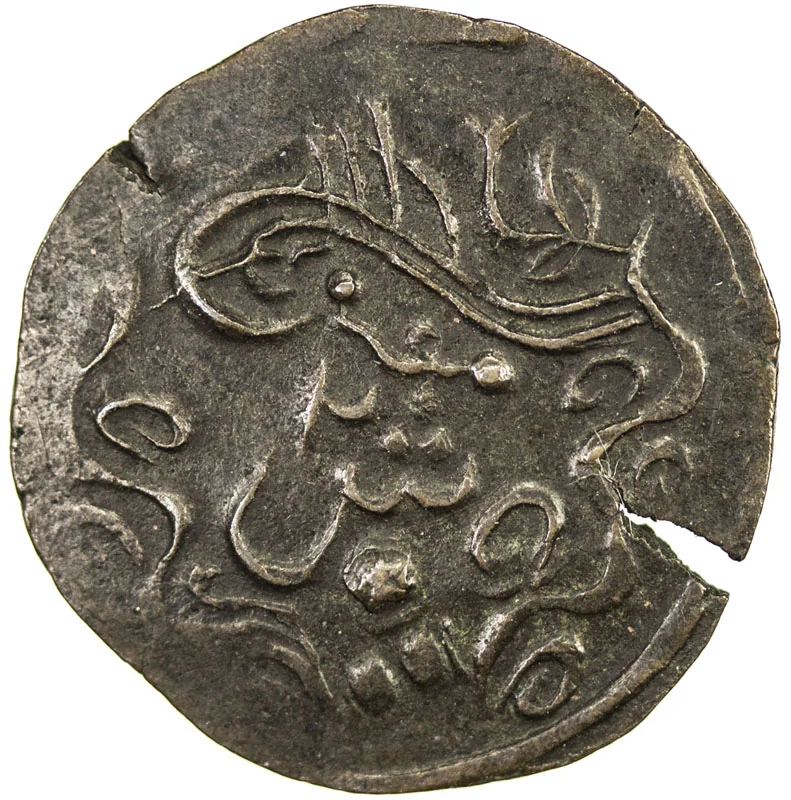
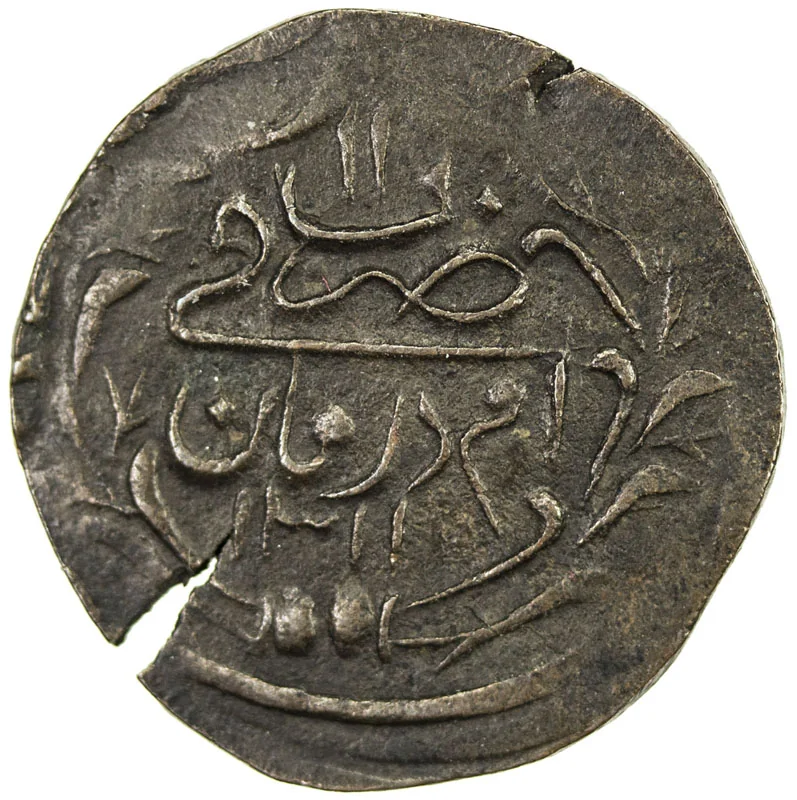
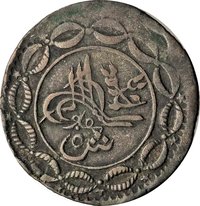
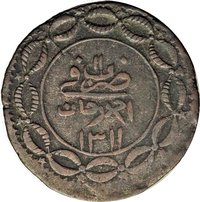
2 qirsh – Mahdist State
Add to wishlist
Sudan
Context
Year: 1894
Islamic (Hijri) Year:: 1311
Country: Sudan
Issuer: Mahdist State
Currency:
(1885—1898)
Demonetized: Yes
References
KM: #
Numista: #114521
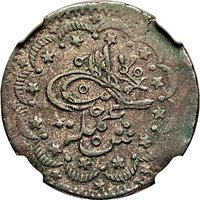
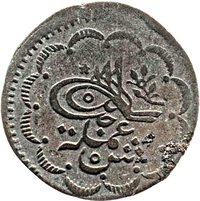
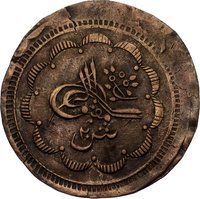
Obverse
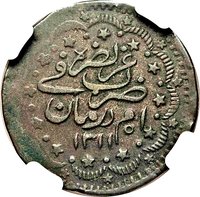
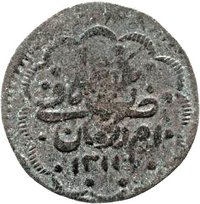
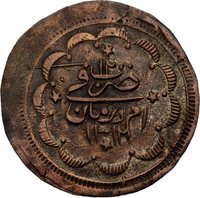
Reverse
Edge
Mints
| Name | Mark |
|---|---|
| Omdurman | — |
Mintings
| Year | Mint Mark | Mintage | Quality | Collection |
|---|---|---|---|---|
| 1894 | — | — |
Historical background
By 1894, the currency situation within the Mahdist State (the Sudan) was one of severe economic strain and monetary chaos, a direct reflection of the regime's isolation and protracted war economy. The Mahdists, having overthrown the Turco-Egyptian administration, rejected the Egyptian currency and sought to establish a purely Islamic financial system. They minted their own gold and silver coins, such as the Mahdist dinar and the silver riyal, but these were hampered by a critical shortage of precious metals. Consequently, the quality, weight, and purity of the coins varied drastically, leading to widespread distrust and a collapse in their value, especially in international trade.
The primary medium of exchange for most daily transactions had devolved to a debased copper coinage, the khurūsh, which was produced in massive quantities with little intrinsic worth. This led to rampant inflation, particularly in the capital Omdurman, where the cost of basic necessities like grain soared. The state's attempt to impose fixed exchange rates between gold, silver, and copper failed utterly, creating a volatile black market. Barter became a common necessity, with goods like cloth, salt, and livestock often preferred over the unstable currency, especially in provincial areas distant from the capital.
This monetary crisis was exacerbated by the British-Egyptian economic blockade, which severed access to new bullion and foreign coins, and by the state's reliance on confiscation (ghana'im) as a primary revenue source rather than a stable taxation system. The currency instability undermined the Mahdist administration's authority, eroded the loyalty of the populace suffering from hyperinflation, and critically weakened the state's logistical capacity to sustain its armies. Ultimately, the chaotic currency situation of 1894 was a telling symptom of the Mahdist State's internal fragility on the eve of the military confrontations that would lead to its downfall at the Battle of Omdurman in 1898.
The primary medium of exchange for most daily transactions had devolved to a debased copper coinage, the khurūsh, which was produced in massive quantities with little intrinsic worth. This led to rampant inflation, particularly in the capital Omdurman, where the cost of basic necessities like grain soared. The state's attempt to impose fixed exchange rates between gold, silver, and copper failed utterly, creating a volatile black market. Barter became a common necessity, with goods like cloth, salt, and livestock often preferred over the unstable currency, especially in provincial areas distant from the capital.
This monetary crisis was exacerbated by the British-Egyptian economic blockade, which severed access to new bullion and foreign coins, and by the state's reliance on confiscation (ghana'im) as a primary revenue source rather than a stable taxation system. The currency instability undermined the Mahdist administration's authority, eroded the loyalty of the populace suffering from hyperinflation, and critically weakened the state's logistical capacity to sustain its armies. Ultimately, the chaotic currency situation of 1894 was a telling symptom of the Mahdist State's internal fragility on the eve of the military confrontations that would lead to its downfall at the Battle of Omdurman in 1898.

💎 Extremely Rare